New guidance on assisted suicide offers legal protection to families
Director of Public Prosecutions clarifies law on who is safe from prosecution – and who is not
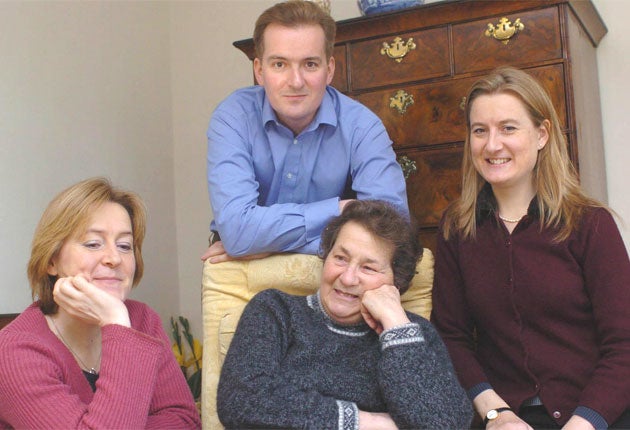
People with terminal illnesses or severe disabilities who wish family and friends to help them commit suicide have welcomed new guidelines which clarify the law on bringing criminal prosecutions in England and Wales.
The rules also end the threat of euthanasia clinics being established in this country. So far, more than 115 Britons have travelled abroad to end their lives.
Keir Starmer QC, the Director of Public Prosecutions (DPP), said that his guidance would be used by crown prosecutors when deciding whether to bring assisted-suicide charges under the Suicide Act 1961, which can attract prison sentences of up to 14 years.
Yesterday's announcement was made possible by the determined efforts of a woman from Bradford, West Yorkshire, who had gone to court so that her husband would know what would happen to him if he helped her travel to Switzerland to commit suicide.
Debbie Purdy, who suffers from multiple sclerosis, persuaded the House of Lords that the DPP should publish the factors he regarded as relevant in deciding whether or not to prosecute. Before yesterday, there was no written guidance beyond the basic prosecutors' code.
Mrs Purdy welcomed the new clarifications. She said: "They seem great, because it gives confidence to people like me that we cannot make a decision immediately and he [the DPP] actually says that he wants people to have explored alternatives, that he wants to make sure that other forms of treatment have been considered before this decision is made."
Under the guidance, which is to be consulted on before it becomes a settled CPS policy, a "suspect" – someone who aids another person to travel to a clinic to die, for example – is unlikely to be prosecuted if they can show that they acted out of wholly compassionate motive and did not financially benefit from their actions. They must also not encourage the person to take their own life.
Mr Starmer said: "The policy makes a distinction between, on the one hand, relatives, close family members and friends who, as a one-off and on a compassionate basis, may assist in a suicide; and, on the other hand, those that, on an ongoing basis, provide either a service or a business. Those in the latter category are more likely to be prosecuted, because the factors in favour of prosecution would apply more to them."
But critics of the guidance said that even if clinics were prohibited from setting up shop in Britain, the rules still gave a green light to compassionate assisted suicide in Britain.
Campaign group Care Not Killing complained that prosecutions for the offence would be less likely where the deceased was terminally ill or suffering from a severe and incurable physical disability. They explained the classification "implies that the lives of a whole group of people – those who are seriously ill or disabled – are less deserving of the law's protection than are others".
Michael Irwin, a former GP who has accompanied three people to euthanasia clinics in Switzerland, said that he feared the new guidance would encourage "botched suicides", because the guidance gave no support to doctors who could ensure a painless and dignified death.
Keir Starmer: 'Softie' with a tough streak
Keir Starmer's transformation from leading human rights lawyer to the country's prosecutor-in-chief was treated with much derision by the hang 'em and flog 'em brigade who demanded to know how a liberal softie could bring successful prosecutions against the very kind of defendants he used to represent. But the 47-year-old QC has proved that it is this experience which has served him best. The delivery of a policy on the law of assisted suicide confirmed that the job of Director of Public Prosecutions is more than about the relentless pursuit of a conviction. The new guidelines go to the heart of one of the most sensitive public policy areas facing the criminal justice system, and required a light and sympathetic touch.
Join our commenting forum
Join thought-provoking conversations, follow other Independent readers and see their replies
Comments