US accused of blackmail over terror trial evidence
Threat to withdraw co-operation issued after torture allegations, say senior judges
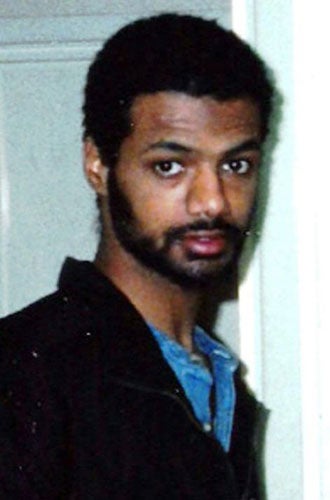
Barack Obama's government was accused of "blackmail" after it emerged that America had threatened to withdraw co-operation in terrorist cases if a UK court ordered the disclosure of secret torture evidence.
In the first real test of the "special relationship" between Britain and the US since Mr Obama's inauguration, MPs and human rights groups called for an inquiry into the case that concerns the treatment of a British resident, Binyam Mohamed, still being held at Guantanamo Bay.
Secret CIA documents held by the Foreign Office detail the interrogation and treatment of Mr Mohamed, who claims he was brutally tortured after being flown by US agents to a secret prison in Morocco before his detention at the US naval base in Cuba.
His lawyers have asked the courts to order the release of information about their client's detention but were told by the High Court yesterday that to do so would risk Britain's national security after the US threatened to stop its intelligence agents working with their UK counterparts on terror cases.
In the ruling, two judges said that, in the face of the threat, they had no choice but to do what the US had demanded and refuse to order publication of the documents. But the judges said American actions demeaned a democratic country and undermined the rule of law. The case immediately led to accusations that the British Government was guilty of "capitulation to blackmail" while also raising questions about Britain's own involvement in the US rendition of terror suspects.
The former shadow home secretary, David Davis, demanded a Commons statement from the Government. He called on the Deputy Speaker, Sylvia Heal, to make representations to the Foreign Secretary or Home Secretary to make a Commons statement today "about the involvement of British agents overseas in torture, and the right the US government has to block a British court from disclosing information given to it".
Last night, the Foreign Secretary, David Miliband, denied a rift had developed and said Britain's intelligence relationship with the US relied on mutual trust. "There has been no threat from the US to 'break off' co-operation," he told Channel 4 News. "The US made it clear, in documents that have been published, that there would be serious and lasting harm if that fundamental principle was breached." He said there was no indication that America's position had changed under President Obama.
The former United States attorney general, Alberto Gonzales, said in an interview on BBC's Newsnight he had "no specific recollection" of the Government raising objections about waterboarding. When asked if he felt the technique amounted to torture, Mr Gonzales repeatedly refused to answer the question.
The judges said they had decided not to release the evidence because the US had threatened to withdraw co-operation over terrorist intelligence, which would "put the public of the UK at risk". Lord Justice Thomas and Mr Justice Lloyd Jones said in their judgment: "It was, in our view, difficult to conceive that a democratically elected and accountable government could have any rational objection to placing into the public domain such a summary of what its own officials reported, as to how a detainee was treated by them and which made no disclosure of sensitive intelligence matters."
A spokesman for the White House defended the High Court's ruling last night, saying: "The US thanks the UK government for its continued commitment to protect national security information and preserve the long-standing intelligence sharing relationship."
The Obama administration is also already facing a court challenge by the American Civil Liberties Union and other human rights organisations to release information in Mr Mohamed's case and to stop using national security claims to avoid judicial investigations into rendition cases. Caroline Fredrickson, head of the ACLU's Washington office, said that "if President Obama's executive orders to ban torture and end rendition are to become reality, not just rhetoric, it is time to make a clean break from Bush administration policies of torture and extraordinary rendition and the secrecy that surrounds them."
Mr Mohamed, an Ethiopian, was granted refugee status in the UK in 1994. He was arrested in Pakistan in 2002 and handed over to US agencies. In 2004, he was taken to the US Navy base in Cuba. Late last year all terrorist charges against him were dropped.
Mr Mohamed is one of three remaining detainees who claim British residency and whose return to Britain would bring to an end the UK's association with the prison camp set up to house suspects arrested under the American war on terror after the attacks of 11 September 2001.
Join our commenting forum
Join thought-provoking conversations, follow other Independent readers and see their replies
Comments