Brown and Darling slash VAT in £18bn tax gamble
First cut in the tax for 34 years leads Government's measures to stimulate spending. At a cost of £13bn, says Treasury, it could save the high street
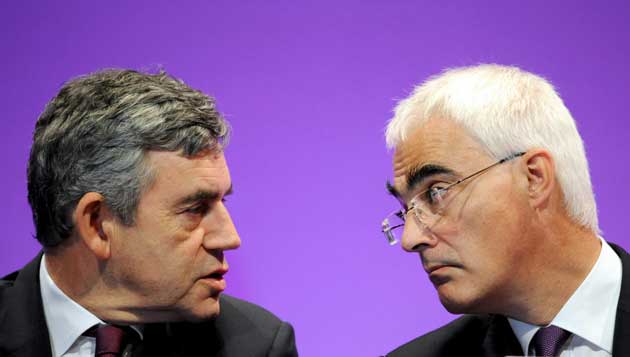
VAT will be reduced from 17.5 per cent as early as this week as Gordon Brown and Alistair Darling gamble £18bn on a Christmas tax-cutting plan to rescue Britain from recession.
In a pre-Budget report (PBR) tomorrow loaded with huge political significance for the Prime Minister and the Chancellor, VAT will be cut – for the first time in 34 years – within days, in time for the first big Christmas shopping weekend.
The cut will be at least 2 per cent, possibly to 15 per cent, where it will remain for a "holiday" of one-and-a-half to two years, bringing some relief for millions of families as the economic downturn worsens.
This would take £10 off the average Christmas present bill of £384 and bring welcome respite to the beleaguered high street, where stores have been forced to bring forward the season's sales to get people spending.
Although the PBR could be subject to last-minute changes, a Treasury source said: "This is a quick way to get people spending." Yet it could come too late for Woolworths, as crisis talks begin today to rescue the chain and tens of thousands of jobs.
Reducing the VAT rate to 15 per cent would cost around £13bn, leaving around £5bn for other tax-cutting measures. Mr Darling is likely to announce raising income tax thresholds to help the poorest families who were hit by the abolition of the 10p tax rate.
Observers predicted a further surprise tax cut to be unveiled in the House of Commons tomorrow. A cut in the basic rate of income tax is believed to be off the table, however. The Chancellor could extend the stamp duty holiday and is planning to cut business taxes.
The Conservatives and independent forecasters warned that borrowing will soar to as much as £120bn by 2010/11 to pay for the plans. But Mr Brown is banking on tax cuts to provide the "fiscal stimulus" needed to kick-start the economy out of recession.
On the eve of the PBR, the Prime Minister received a fresh boost yesterday when his bitterest enemy, Charles Clarke, called a truce after months of waging war against Mr Brown's leadership. As Labour narrowed the Conservative lead to just three points last week, Mr Clarke told The Independent on Sunday that Mr Brown had offered "genuine economic and political leadership at a time when it was both desperately needed and difficult to do". The former Home Secretary added: "I'm not well known for being one of Gordon's biggest fans, but I do think that since the Labour Party Conference he's done really well in meeting the challenges of the world financial and economic crisis."
While there remained a "political debate about the past", Mr Clarke said, "in the present, Gordon has earned the right to support from across the political and business spectrum. It's been a real surprise to me but, to be fair, Gordon's economic self-confidence has made him more decisive on the political front.
"Winning the general election, particularly in the marginal seats in the South-east, remains a really tough call but Labour's obviously back in the race and can do it."
Mr Clarke said David Cameron and George Osborne were now "panicking" over their strategy and were reverting to "pathetic inner-Tory ideological feuds which have absolutely nothing to offer the country".
Mr Clarke's comments mark an extraordinary U-turn and show that, following the recent recall of another Brown critic, Peter Mandelson, to the Cabinet, the Prime Minister has finally united his party. It will fuel speculation that Mr Clarke would take up a cabinet job offer from Mr Brown.
In his report, Mr Darling is expected to raise the earnings threshold at which individuals and married couples start paying tax, in an attempt to pass the effect of his measures directly to the lower-paid. The Chancellor has already increased the basic Personal Allowance for the 2008-09 tax year by £600, from £5,435 to £6,035.
Treasury sources indicated that the PBR would also attempt to help those at the sharp end of the credit crunch by offering more debt counselling and pressurising banks to give overdrawn customers more time to sort out their finances before acting against them.
The package is also expected to include support for environmentally friendly practices, including loft-lagging, and tax-breaks for greener industry as the Government attempts to demonstrate that the rescue plan is a sustainable strategy, rather than a belt-and-braces operation.
The timing of the VAT holiday could be geared towards a 2009 election. Last week, the Prime Minister sought to play down talk of a poll next June, but keeping VAT low for at least a year would boost Labour's support in an election campaign. By June 2010, the latest month a poll can be held, the VAT holiday would be drawing to a close.
Taxing times: What can the Chancellor do to kick-start the economy?
Income tax
Since being cut last year from 22p to 20p, the basic rate is now at its lowest for 75 years. Cutting income tax would not necessarily encourage more spending. Instead, the Chancellor is expected to raise personal allowance thresholds to help people on the lowest incomes. A £2.7bn giveaway last June gave £120 this financial year to those hit by the removal of the 10p tax rate.
Businesses
The Chancellor could cut corporation tax, but as profits are suffering in the downturn, this could make little difference to firms. Instead small businesses are expected to be targeted. One way could be to increase the Government's contribution to the Small Firms Loan Guarantee Scheme.
VAT
Will be reduced from its current level of 17.5 per cent to an expected 15 per cent. The cost of Christmas shopping will be reduced, providing a boost to consumers and retailers.
Homes
The stamp duty holiday announced this summer could be extended and apply to homes above £175,000. This would kick-start the sluggish property market. Mr Darling is also expected to order banks to go easy on people struggling to pay their mortgages.
Jane Merrick
Join our commenting forum
Join thought-provoking conversations, follow other Independent readers and see their replies
Comments