Charities forced to axe thousands of jobs
Voluntary sector feels crunch as income from donations and bequests falls
Charities are axeing thousands of jobs to cope with a collapse in donations as the recession deepens.
After years of expansion, the voluntary sector is laying off staff, putting recruitment on hold and scaling back "non-essential" services.
Earnings from investments have also fallen following cuts in interest rates. The value of major bequests has dropped because of tumbling property prices. The redundancies come as charities face greater pressure to help people who have lost their jobs and homes during the economic crisis.
Charities employed just over 500,000 staff in 2000 and the total rose to 624,000 at the end of 2004 and 724,000 last autumn. But new official figures show the number suddenly dropped in the last three months of 2008 to 716,000, the first fall on record for a decade. Voluntary organisations say the trend accelerated in the New Year.
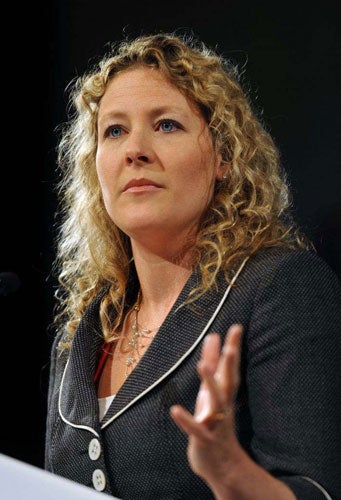
Jenny Willott, the Liberal Democrat Cabinet Office spokeswoman, told The Independent: "These are the first signs that recession-hit charities are being forced to shed jobs just to stay afloat.
"The workload of charities is soaring as the recession pushes more and more people into unemployment and poverty. But at the same time, charitable donations are dropping." Ms Willott, who obtained the figures, added: "Charities are a vital source of support for the most vulnerable people during the recession. If charities fail, we lose yet more jobs as well as losing vital support for the most vulnerable in society."
The National Council for Voluntary Organisations (NCVO) said yesterday that a survey of charity leaders showed one-fifth planned to cut staff numbers.
A spokesman for the NSPCC, which has cut 129 jobs from its workforce of 2,300, said: "It is becoming more difficult to recruit new donors and to upgrade existing supporters. We are also noticing that some individuals and organisations can no longer afford to give as much."
Alan Gosschalk, director of fundraising for the housing charity Shelter, said it had made 20 of its 820 employees redundant. "The economic crisis has meant a fall in income from legacies and corporate supporters," he said, "while donations from individuals have remained steady over the past year."
BEN, a charity supporting past and present motor industry workers, is drawing up plans to trim its 450-strong workforce. It has been hit because it relies mainly on support from the motor industry which is facing its worst slump in sales for a generation.
A spokeswoman said: "Calls from people needing help are going through the roof, but donations are going down. Our income is down around 10 per cent and we expect it to fall further."
Charities working overseas have been hit by the falling value of the pound. Oxfam UK suggested it may cut about 50 posts, although the figure remained "fluid".
The NCVO survey discovered that 50 per cent of charity leaders feared their organisation's financial situation would deteriorate over the next year. However, reflecting the social pressures of the recession, 48 per cent said they planned to expand services for the vulnerable.
Among the worst hit have been medium-sized charities which lack the name recognition of larger organisations, but are too big to survive on the generosity of a few philanthropists.
Join our commenting forum
Join thought-provoking conversations, follow other Independent readers and see their replies
Comments