Clarke back in line on inheritance tax cut policy
Shadow Business Secretary's comments on Tory pledge a 'cock-up, not a conspiracy'
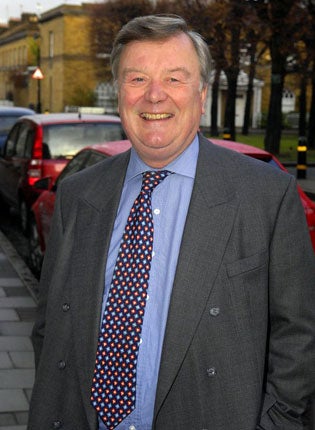
David Cameron promised yesterday that he would cut inheritance tax in his first five-year term if he becomes prime minister despite the "black hole" in the public finances.
The Tory leader brushed aside the doubts expressed by Kenneth Clarke, the shadow Business Secretary, who downgraded the proposal to abolish death duties on estates worth than less than £1m to an "aspiration" and suggested it might not be affordable. Later Mr Clarke was forced into line, and said the reduction remained official Tory policy.
Mr Cameron decided it would be a breach of faith with the voters to abandon the flagship promise his party made in 2007. "A promise is a promise," he told aides yesterday, adding that he was determined to end the "tax on aspiration". Abandoning the pledge would have caused uproar among Tory MPs and grassroots members. Although some are worried by Labour claims that it shows the Tories are a "party for the rich", most believe the planned cut is a vote-winner because inheritance tax is deeply unpopular.
As word spread of Mr Clarke's doubts, voiced in a BBC TV interview on Sunday, Tory MPs at engagements in their constituencies faced protests from party members. One frontbencher said: "People were furious and asking what was going on. Inheritance tax is hated. It's not about helping millionaires. It is a tax on people with aspirations who want to pass something on to their children and grandchildren."
Mr Cameron and George Osborne, the shadow Chancellor, have insisted in recent weeks that the inheritance tax cut was safe despite the deteriorating state of the public finances.
Mr Clarke did not intend to water down the commitment when he appeared on the BBC's Politics Show to discuss the economy, although his cautious answer about the tax may have reflected the doubts in Tory ranks. "It was a cock-up, not a conspiracy," said one senior Tory source yesterday. "Ken was being Ken. He was over-confident and he was busking it. He didn't know it was a firm commitment. He didn't expect a question about inheritance tax."
Mr Clarke's off-message remarks sent the Tories into a tailspin on Sunday. Mr Osborne's office was unaware of them until contacted by The Independent. A spin doctor on a day off was scrambled to Westminster to try to cool a media frenzy. But the damage-limitation exercise hit problems when the rather cavalier Mr Clarke could not be contacted – a complaint that Treasury officials sometimes made at weekends while he was Chancellor. "He has a mobile phone nowadays, so that's progress. But he hasn't got as far as switching it on," groaned one Tory official.
When Mr Clarke was finally tracked down, he agreed immediately to issue a statement saying the Tories were still "fully committed" to the inheritance tax cut and that it would be in the party's election manifesto. But it was now eight hours after Mr Clarke gave his live interview and the first editions of yesterday's newspapers had already gone to press. Some of yesterday's headlines reflected the disarray over Tory policy and frontbenchers were dispatched to appear on early morning TV and radio shows to try to end the confusion.
In fact, the policy has changed slightly. In 2007, Mr Cameron said cutting inheritance tax would be in place "from the first day of the Conservative government". Yesterday, it became something that will happen some time before the following election – reflecting Tory fears that the Treasury cupboard will be bare if they win power.
Labour was jubilant about the Tories' troubles. In the Commons, Mr Brown taunted Mr Cameron, saying his policy would give 3,000 people a £200,000 cut in inheritance tax. The Prime Minister said: "Usually in times of difficulty the few who have money help the many. Only the Conservative Party says that in times of difficulty the many should come to the aid of the few."
The Tories closed ranks yesterday, insisting there is no split. But one senior figure described the affair as "irritating". That is likely to be the private view of Mr Osborne, who won plaudits for announcing the inheritance tax threshold would rise to £1m at the party's 2007 annual conference. It produced a Tory bounce in the opinion polls, forced Labour to announce a similar cut and was credited with forcing Mr Brown to abandon plans for an autumn general election.
The saga has illustrated the need for the Tories to maintain the strict discipline that Mr Cameron demands of them. It has also highlighted the pressure on them to refine their economic policies, framed in the good times when they could promise to "share the proceeds of growth" between spending rises and tax cuts. Whichever party wins the election, the next government will have to raise taxes and cut spending.
Raising the threshold: Inheritance tax
*How does inheritance tax work?
When you die, the value of everything you own – including your home – is added up. Inheritance tax (IHT) is then payable on anything above the current threshold of £312,000. As of October 2007, married couples or civil partners can pool their IHT allowances, so they only have to pay tax if they jointly own assets worth more than £624,000.
*What are the Conservatives proposing to do?
Prior to Kenneth Clarke's comments on Sunday, the Tories said they were committed to raising the IHT threshold. This meant that no individuals would pay the tax unless they had assets of more than £1m, and no families would pay the tax unless they had assets of more than £2m.
*How many people would benefit from the proposed Tory policy?
At the moment, only about 50,000 families pay IHT each year. In 2007, the shadow Chancellor George Osborne claimed that nine million families would benefit from his policy. However, the Government's move to allow couples to pool allowances, combined with recent falls in house prices, have ensured that the vast majority of families are no longer in any danger of having to pay IHT.
Join our commenting forum
Join thought-provoking conversations, follow other Independent readers and see their replies
Comments