Clegg set to win tycoon tax concession
Osborne plans to cut public sector pay in poorer regions
Sign up for the View from Westminster email for expert analysis straight to your inbox
Get our free View from Westminster email
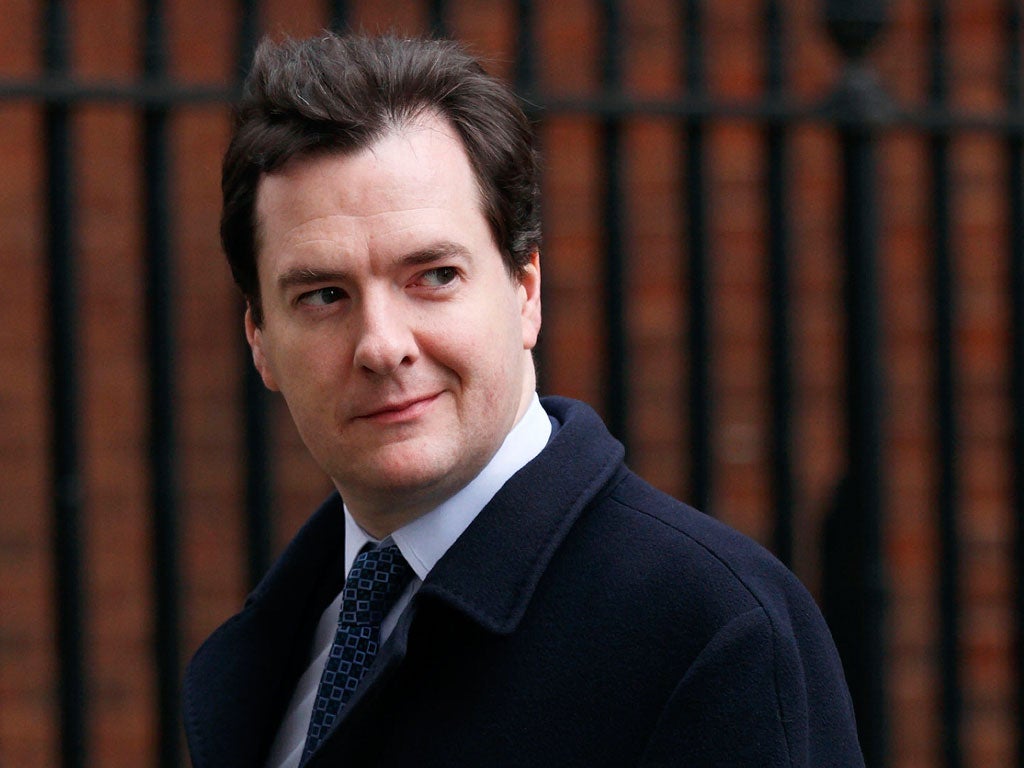
Nick Clegg is expected to secure the introduction of a “tycoon tax” in next week's Budget in return for allowing George Osborne to reduce the 50p top rate of income tax to 45p next year.
A deal on the Budget's key measures took shape yesterday during a 30-minute conference call between Mr Osborne, David Cameron, Mr Clegg and Danny Alexander, the Liberal Democrat Chief Treasury Secretary. Although they will meet on Monday to finalise the Budget package, they appear ready to take a huge political gamble by axing the 50p rate paid on incomes over £150,000 a year. It is expected to take effect in April next year. Mr Cameron was initially reluctant, fearing a backlash from voters who might see it as evidence that the Conservatives are "the party of the rich". But he has been persuaded by his Chancellor to back the high-risk measure.
In another controversial move, Mr Osborne will speed up the drive he announced last November to bring in local pay deals throughout the public sector – which is strongly opposed by the trade unions. He will make a start with civil servants in three departments with thousands of staff based outside London – Work and Pensions, Transport and the Home Office – and hopes wage settlements for millions of public sector workers will eventually reflect the local cost of living rather than national pay scales.
The move follows complaints from private sector employers that they cannot recruit staff in some regions because public sector rates are too high. It is unclear whether the change will apply to existing staff or only new recruits. Government sources denied that people would be asked to take pay cuts, suggesting that wages would rise faster in the South East. But that would provoke criticism that the Coalition is hitting the poorest regions and widening the north-south divide.
It is believed that the 50p rate brought in less than the £1.3bn in 2010-11 estimated by Labour when it introduced it. Mr Osborne is worried that having a top rate higher than many of Britain's competitors sends a negative signal to entrepreneurs and is making it difficult for multinational firms to attract people to work in the UK.
Although the Chancellor has rejected Lib Dem plans for a mansion tax on homes worth more than £2m, he has warmed to the idea of a major crackdown on tax loopholes exploited by the rich.
He does not want to bring in a minimum tax rate for all to stop millionaires paying proportionately less tax than ordinary workers on the basic 20p rate. But he is open to Mr Clegg's idea of stopping the rich taking advantage of every available tax loophole, allowance and relief.
Other Budget measures are likely to include a general anti-avoidance rule to make it easier for the Treasury to close loopholes and prevent people with expensive homes avoiding the full rate of stamp duty.
Mr Osborne and Mr Clegg hope these moves will help provide the political cover to axe the 50p rate. Similarly, the Lib Dem leader hopes the Chancellor will meet his demand for "further and faster" progress towards a £10,000 personal tax-free allowance. It will rise to £8,105 next month and was due to increase by another £630 in April next year – a figure that is now likely to be higher. However, MPs in both coalition parties will be anxious about the public reaction.
Ed Balls, the shadow Chancellor, said: "The idea that, when fuel bills are going up, tax credits are being cut and families are under real pressure, his [Mr Osborne's] first priority is to cut taxes only for those over £150,000? That is the wrong priority. It would be completely out of touch."
* Business Secretary Vince Cable said today care needed to be taken over how local pay was implemented to protect career progression in the civil service.
"The idea of having more flexibility in the public sector is surely right," he told BBC Radio 4's Today.
"What we are trying to do is to make sure that throughout the public sector there is more genuine decision making at a local level and you have to take into account pay and conditions.
"But it has got to be done very carefully because in the civil service, for example, you have to have career progression and that kind of national consideration has to be woven into the story as well."
Subscribe to Independent Premium to bookmark this article
Want to bookmark your favourite articles and stories to read or reference later? Start your Independent Premium subscription today.
Join our commenting forum
Join thought-provoking conversations, follow other Independent readers and see their replies