Gurkhas force Brown into yet another retreat
Sign up for the View from Westminster email for expert analysis straight to your inbox
Get our free View from Westminster email
Gordon Brown's authority took another battering yesterday when he suffered his first Commons defeat as Prime Minister amid growing criticism of his leadership by Labour MPs.
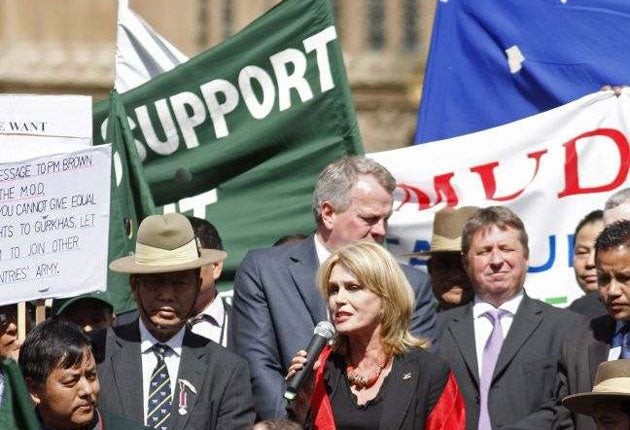
In a surprise move, MPs voted by 267 votes to 264 to grant equal residence rights to 36,000 Gurkha veterans – four hours after Mr Brown opposed the move. Some 27 Labour MPs voted against the Government. Last night ministers announced they would respect the Commons decision but said it could cost billions of pounds and may be phased in.
Some senior Labour MPs speculated that Mr Brown could face a "crisis of confidence" if, as expected, the party gets a bloody nose in the council and European Parliament elections on 4 June. "People are starting to ask whether he should lead us into the general election," said one Labour MP. Another added: "We are back to where we were last summer" – when Mr Brown had to see off the threat of a Cabinet-led mutiny.
Even some ministers admitted Mr Brown was making "too many misjudgements." One said the Government looked "out of touch".
Since a successful G20 summit at the start of this month, the Government has been derailed by the resignation of a Brown aide, Damian McBride, over a plot to smear senior Tories, a hostile reaction to last week's Budget and a botched attempt to reform MPs' expenses. Today the Prime Minister faces another test of his credibility when the Commons votes on expenses. Many Labour MPs believe Mr Brown has mishandled the issue and there will be an all-party move to delay a decision until after an independent review of the expenses system reports later this year. That would be seen as a snub to the Prime Minister, who called today's vote but saw his proposed reforms run into strong opposition.
Labour MPs are in an increasingly rebellious mood as Mr Brown's authority appears to wane. They have already forced Mr Brown to abandon his plan to replace the £24,000-a-year "second homes" allowance for MPs with a £150-a-day "clocking in" or attendance payment. Brown aides hope that yesterday's humiliating defeat over the Gurkhas will make a second defeat in two days less likely. They are preparing to argue that he would not be damaged if MPs kick expenses reform into the long grass because the public will know he backed urgent reforms to a system they regard as discredited.
The Government's defeat over the Gurkhas was a coup for Nick Clegg, the Liberal Democrat leader, who has led the campaign at Westminster for the veterans to be allowed to live in Britain and called yesterday's debate.
Although the decision was not binding on the Government, the Immigration minister Phil Woolas told MPs in an emergency statement: "The Government respects the will of the House." But he said allowing all 36,000 to live in Britain could set a precedent for other immigration issues and wider government policy.
Mr Woolas suggested that no Gurkhas would be deported from Britain while the Government conducted a review. It would announce firm proposals before the Commons summer recess starts in July.
One ministerial aide, Stephen Pound, resigned so that he could oppose the Government. "I couldn't look my Gurkha friends in the eye if I wasn't doing everything I can to attempt to match their contribution to our country with our support for them," he said.
Home Office rules announced last week said that Gurkhas who retired before 1997 would only be allowed to stay in the UK if they had served for 20 years, had won bravery medals, or had sustained injuries in combat. The rules provoked outrage among their supporters, who claimed that only 100 of the 36,000 former Gurkhas currently prevented from settling would qualify.
Mr Brown had launched a lengthy defence of the policy during Prime Minister's Questions, arguing that 4,000 former Gurkhas would be allowed into Britain. He warned an open-door approach would cost as much as £1.4bn.
David Cameron, who backed Mr Clegg's move, said after the vote: "The Government now has to act. If they come back to the House of Commons and they haven't produced a proper system to help these people settle in our country, they'll get defeated again."
Mr Brown had tried to head off the defeat by promising that the policy would be reviewed before the summer. Labour backbenchers were also handed a note from the Home Secretary, Jacqui Smith, assuring them that no veterans would be deported in the meantime. But the concessions were not enough to stop 27 Labour MPs voting with the opposition parties, including Keith Vaz, chairman of the Home Affairs Select Committee.
Subscribe to Independent Premium to bookmark this article
Want to bookmark your favourite articles and stories to read or reference later? Start your Independent Premium subscription today.
Join our commenting forum
Join thought-provoking conversations, follow other Independent readers and see their replies