MI6 has nothing to do with torture, says chief
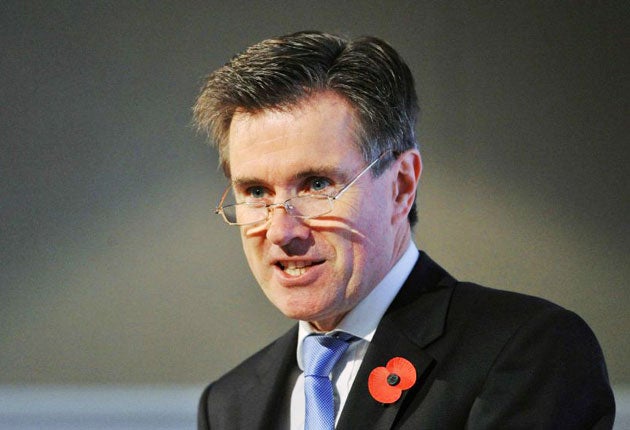
MI6 does not pass on intelligence to foreign agencies if it believes that it could result in torture, even if it could prevent terrorist activity taking place, the head of the service said today.
In the first public speech by a serving Chief of the Secret Intelligence Service (SIS), as MI6 officially known, Sir John Sawers strongly defended its methods while appealing for understanding for the "real, constant, operational dilemmas" it faced.
Speaking to the Society of Editors in London in a live television address, he said it was essential that agents and overseas intelligence services could be confident that their secrets would not be compromised through working with MI6.
He expressed concern that the possible release of intelligence material received from foreign agencies in recent court cases could lead to intelligence-sharing with key allies drying up.
Sir John stressed that SIS had "nothing whatsoever" to do with torture, which was both "illegal and abhorrent", and that he was confident that its officers acted with the "utmost integrity".
At the same, he said that they had to operate in the "world as it is", which, on occasion, meant working with agencies from countries which were not "friendly democracies", which could throw up difficult issues.
"Suppose we receive credible intelligence that might save lives, here or abroad. We have a professional and moral duty to act on it. We will normally want to share it with those who can save those lives," Sir John said.
"We also have a duty do what we can to ensure that a partner service will respect human rights. That is not always straightforward.
"Yet if we hold back, and don't pass that intelligence, out of concern that a suspect terrorist may be badly treated, innocent lives may be lost that we could have saved."
Sometimes, he said, there was no clear way forward and the most "finely-balanced" cases had to be decided by ministers. However SIS would always strive to prevent terrorist attacks in a way that was consistent with human rights.
"If we know or believe action by us will lead to torture taking place, we're required by UK and international law to avoid that action. And we do, even though that allows the terrorist activity to go ahead," he said.
"Some may question this, but we are clear that it's the right thing to do. It makes us strive all the harder to find different ways, consistent with human rights get the outcome that we want."
Sir John said that he welcomed the announcement of the Gibson Inquiry into alleged complicity by officers from SIS and the Security Service, MI5, in the torture or abuse of detainees held abroad.
He expressed concern, however, at the impact of recent court cases such as that brought by Binyam Mohamed, who claims MI5 was complicit in his torture while he was held in Pakistan, on intelligence-sharing with key allies like the United States.
It was essential, he said, that the "control principle" - by which the intelligence service which first obtains the information controls how it is used and whether it is released - should be preserved.
"It's rule number one of intelligence sharing. We insist it with our partners and they insist on it with us. Because whenever intelligence is revealed, others try to hunt down the source," he said.
"Agents can identified, arrested, tortured and killed by the very organisations who are working against us.
"So if the control principle is not respected, the intelligence-sharing dries up. That's why we have been so concerned about the possible release of intelligence material in recent court cases."
Sir John said that unless organisations like SIS were able to maintain their secrecy, they could not operate effectively to counter the threats from terrorists "bent on maiming and murdering" people in Britain.
"If our operations and methods become public, they won't work. Agents take risks. They will not work with SIS, will not pass us the secrets they hold, unless they can trust us not to expose them," he said.
"Foreign partners need to have certainty that what they tell us will remain secret - not just most of the time but always.
"Without the trust of agents, the anonymity of our staff, the confidence of partners, we would not get the intelligence. The lives of everyone living here would be less safe.
"The United Kingdom would be more vulnerable to the unexpected, the vicious and the extreme. Secrecy is not a dirty word. Secrecy is not there as a cover up. Secrecy pays a crucial part in keeping Britain safe and secure."
Join our commenting forum
Join thought-provoking conversations, follow other Independent readers and see their replies
Comments