Across Zimbabwe, red rags signify a nation in mourning
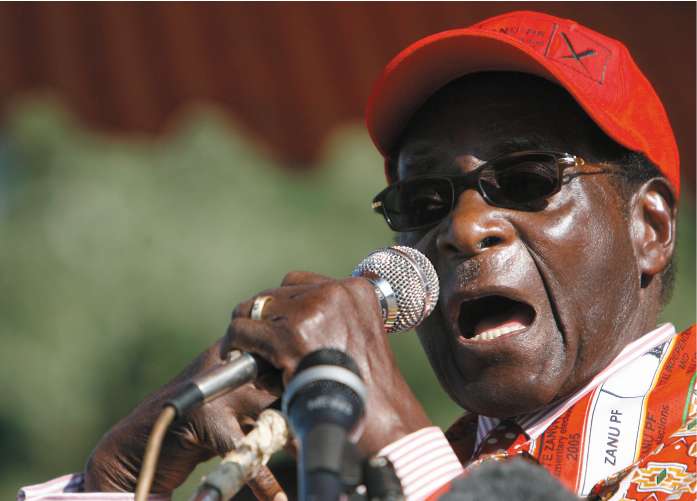
Red rags have been tied around lamp posts that don't light and hung from bus shelters. Giant V-signs have been painted over the pot-holed thoroughfares. Bulawayo, the opposition stronghold, awakes today to find it has been painted red. As Zimbabweans turn out to vote in a one-man election, a final message of defiance was being daubed overnight on the only public space available to the opposition: the roads.
What should have been a final push to vote out the deeply unpopular President Robert Mugabe had become an underground operation to demonstrate a public show of anger, and a political boycott.
One of the key organisers of the Movement for Democratic Change's "red campaign" who identified himself only as Thomas, said the symbolism was clear. "Red is the colour of the MDC. In African culture, it is also the colour of mourning. We are mourning the death of democracy, or the little we had of democracy."
Police, soldiers, ruling party youth militia, security officers and the so-called war veterans were heading for polling stations last night. Thomas and other opposition activists like him were gathering volunteers. The MDC leader Morgan Tsvangirai, speaking from the Dutch embassy in Harare where he is taking refuge, advised his supporters to offer no resistance if they are forcibly "frogmarched" to the polls today.
"They should go," he told the BBC World Service. "If they even vote for Zanu-PF, if they even vote for Mugabe, what does that change? It makes no difference because the vote is a fraud anyway."
But the opposition, supposedly crushed by the worst violence the country has witnessed since the Matabeleland massacres of the Gukuruhundi in the 1980s was nevertheless determined to make a non-violent show of force.
Some slogans painted on the crumbling Tarmac read simply, "Don't go vote". Others struck a defiant note with a giant "V" for victory covering two lanes. Even this peaceful protest is dangerous in a country where the full force of the state has been turned on voters to prolong the rule of a government that lost the 29 March election by a clear margin, despite all its efforts to bribe and intimidate.
Days ago, the 84-year-old President promised "dire consequences" for anyone found without the indelible red-ink mark on a finger to show that they had voted. But the MDC is trying to deny the regime the big turnout it has so ruthlessly sought. The rural areas where the worst of the torture, murder and coercion has been committed are now out of reach to the opposition whose officials have either been imprisoned, killed or fled. The results from the terrorised rural areas such as Mashonaland and Manicaland is expected to be a resounding, if empty, "yes" vote for another term of the only President Zimbabwe has known.
In town, the backing for a boycott of the presidential run-off is near total. "My family in the rural areas are being beaten and forced to stay up all night and chant slogans like in the liberation struggle," said a young man who identified himself as Felix. "They've told me not to come home. You can get food only with a Zanu party card. We all know the election has been rigged. Everyone knows Mugabe could not win any other way. The people are tired of him."
Like so many who have stayed on, Felix is prepared to wait. "I want to be here when Mugabe goes. I want to see him go."
Mpopoma township outside Bulawayo is one of the few places where MDC supporters can still gather in public. Yesterday, crowds of young people gathered to collect red ribbons and pile into trucks. One girl wore a red T-shirt with the slogan, "Our demands are to stop police brutality".
As they gathered, buses pasted with yellow and green Mugabe posters pass by. The drivers have been forced to display the posters of Commander R Mugabe or they will be refused fuel. Yesterday, the fare was seven billion Zimbabwean dollars for a ride across town. Next week it will be 15 billion. Drivers who want to stay safe have been told to wear Zanu T-shirts.
Moyo, who has spent his life in opposition and watched his career as an electrical engineer and lecturer descend into subsistence as a black-market trader, said that insanity now rules his country. "With Mugabe, you have to factor in the madness," he said.
Since the decision to boycott today's vote, talk has turned increasingly to the possibility of an uprising. For the present, it remains just talk, with most people only too aware of the imbalance of military might between the ruling party and the opposition. One said: "In their minds they [Zanu] are still out in the bush. They are fighting a war but nobody is fighting them.
"Mugabe still shouts about Blair, but he has left the international scene. They are living in the past."
Join our commenting forum
Join thought-provoking conversations, follow other Independent readers and see their replies
Comments