Inside Yida – the aid camp on the brink of disaster
Refugees are left stranded by hostilities on the Sudanese border

For free real time breaking news alerts sent straight to your inbox sign up to our breaking news emails
Sign up to our free breaking news emails
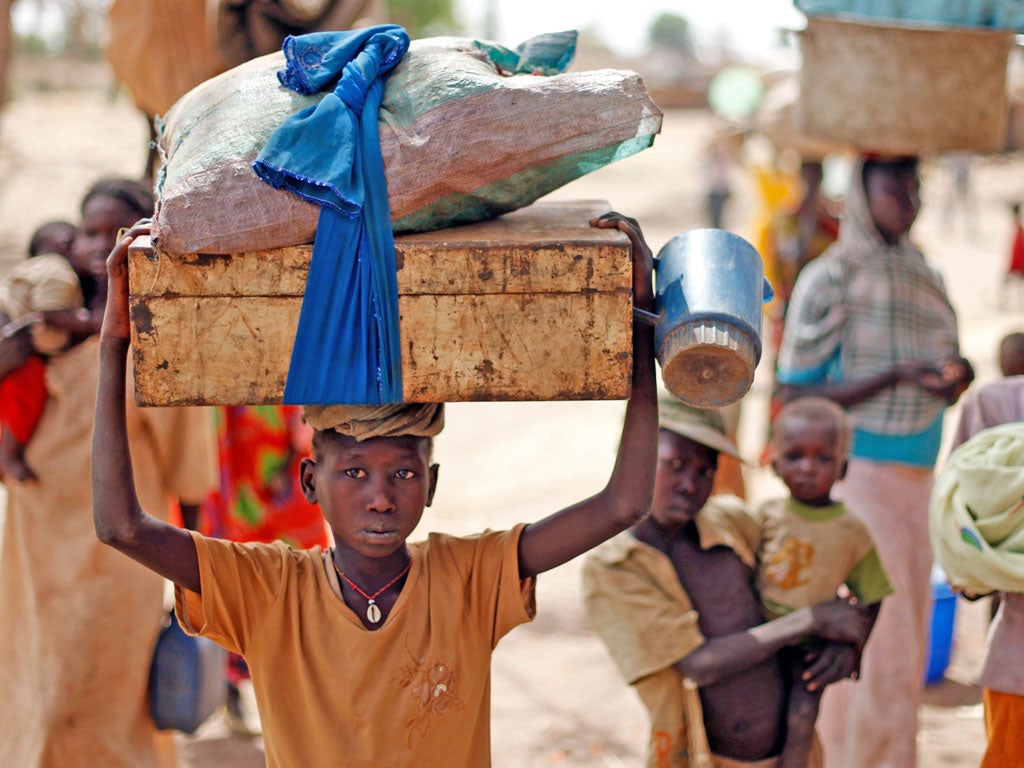
Aid workers are warning of a humanitarian disaster on the border between the two Sudans as tens of thousands of refugees from the recent fighting are stranded beyond the reach of United Nations camps. The most vulnerable people have been caught in the no-man's land at Yida refugee camp just inside the de facto border of South Sudan.
A damaging row between UN officials and local leaders over whether the refugees can remain in the border area has contributed to two-week delays in food reaching people who have fled starvation in the Nuba Mountains further north. And the camp's exposed position, within shelling range of the border, has prevented the UN from having a permanent presence there.
"It is so close to the fighting area that it could become a target," said Teresa Ongaro from the UN High Commissioner for Refugees, who said that UN staff are visiting Yida on a daily basis but due to security concerns they continue to stay a 35 minute drive away from the camp. "We have to go by the regulations of the UN," she added.
The UN and the World Food Programme have been making bi-weekly food deliveries to Yida but some new arrivals have been "falling between the cracks" according to Ms Ongaro.
The population at Yida, where the temperatures reach 50C and refugees face 10 hour queues for water, has swollen to more than 23,000 with four hundred newcomers arriving every day. A prolonged bombing campaign by the northern government and Khartoum's refusal to let aid agencies into the mountains has led to an exodus of starving people.
"There are many more coming," said John Kamau, a father of two who arrived at Yida this week. "Everyone left behind is living on leaves. We walked for days to get here, my daughter's been sick for months but there's no hospital , then we ran out of food, we even ate our planting seeds, we have nothing."
On the outskirts of Yida where this month's 5,000 new arrivals are camping there are hundreds of severely malnourished children. Medical staff at the camp reported twice the normal monthly total of malnutrition cases in the first three weeks of April suggesting a sharply increasing hunger crisis across the border in Khartoum-controlled Southern Kordofan. Refugee leaders at Yida have refused to be relocated further south to the capital of Unity State, Bentiu, complaining the land allocated to them is a "malarial swamp" with no trees. The UN said talks are "ongoing" with the hope of persuading some refugees to relocate to camps further inside South Sudan.
The divorce of the two Sudans last year, which followed a long civil war, left several divisions of what was the southern guerrilla army, the SPLA, inside the interim borders of the new Sudan. The government in Khartoum has accused the south of conspiring with these civil war allies in areas like the Nuba Mountains and launched a brutal offensive against them, which has been marked by the bombing of civilian areas.
The result has been a refugee crisis with 120,000 people fleeing into South Sudan to take shelter in a network of UN-administered camps along the border area. Now the prospect of a return to a full-scale north-south war and the imminent arrival of the rainy season threatens to turn a refugee crisis into a humanitarian disaster.
"If these hostilities escalate then it's only a matter of time before the fighting reaches the refugees where they are," said the UNHCR's Ms Ongaro.
Even if the standoff between the northern and southern armies holds, the seasonal rains are due, according to meteorologists, within the next week. When the clouds do burst they will churn the grasslands along the north-south border into an impassable swamp in many areas and all supplies to camps like Yida will have to be made by costly air-drops.
"When the rains really come people need to have shelter," said an aid worker familiar with conditions at Yida. "There needs to be a more robust response from the UN before the rainy season begins."
The separation of the two Sudans was meant to be followed by a comprehensive divorce settlement that would divide natural resources like oil and settle long simmering territorial disputes by properly demarcating the border. After secession most of the oil producing areas were left in the south while the infrastructure for getting it out was under northern control prompting hopes the two countries would be forced to cooperate in order to keep the crude flowing.
Instead attempts by Khartoum to seek reparations for the loss of the south in the form of excessive transport charges for its oil backfired when the south turned off the pumps and refused to pay at the beginning of the year. Since then the two former civil war foes have flooded the border area with troops and moved to the brink of a new all-out conflict.
Forces loyal to Khartoum have occupied the disputed enclave of Abyei and southern forces briefly took oil fields claimed by the north at Heglig, prompting strong criticism from the UN and the rest of the international community. The African Union has put forward a peace plan and called for both sides to return to talks in neighbouring Ethiopia.
Subscribe to Independent Premium to bookmark this article
Want to bookmark your favourite articles and stories to read or reference later? Start your Independent Premium subscription today.
Join our commenting forum
Join thought-provoking conversations, follow other Independent readers and see their replies