Kibaki 'stole' Kenyan election through vote-rigging and fraud
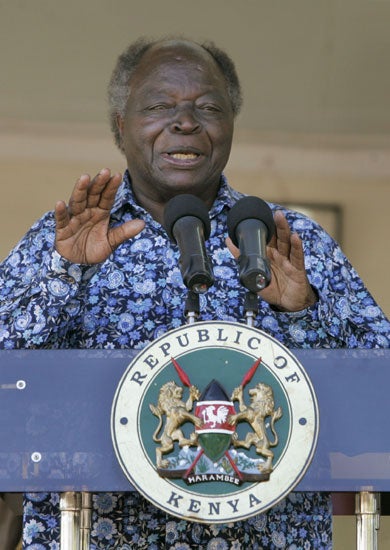
Systematic electoral fraud including vote-rigging in a third of all constituencies, stuffed ballot boxes and election officials changing results had a decisive impact on the outcome of the Kenyan elections, an investigation by The Independent can reveal.
In 88 of the 210 constituencies, turnout was at least 1,000 votes higher in the presidential election than in the parliamentary poll conducted at the same time. This amounted to a total of 380,944 votes, considerably more than President Mwai Kibaki's winning margin of 231,728. Even when suspect voting practices in opposition candidate Raila Odinga's strongholds are accounted for, the extra votes for Mr Kibaki total about 350,000.
Violence, sparked by the disputed election results, has raged for almost a month and yesterday the former UN secretary general Kofi Annan flew into Nairobi – the latest in a line of African statesman to get Mr Kibaki and Mr Odingato sit down together and try to find a way to resolve the crisis.
According to election observers, ballot boxes were stuffed by both sides. In one constituency, Mr Odinga won 100.5 per cent of valid votes. In Maragwa, a constituency with near-total support for Mr Kibaki, turnout was 115 per cent.
When the result was queried the returning officer was allowed to reduce the turnout to a more acceptable figure. Under Kenyan election law votes from that constituency should have been excluded.
Observers also reported that counts were changed by returning officers in local polling centres, as well as staff at the National Electoral Commission in Nairobi, largely to favour the incumbent bidding for re-election. Koki Muli, a senior Kenyan observer, said: "They added 5,000, 10,000, 15,000 – whatever they wanted. It was bizarre. We had results which were quite outrageous."
In some constituencies the total announced for Mr Kibaki at electoral headquarters in Nairobi was higher than that announced at regional tallying centres in the presence of foreign observers. An additional 25,116 votes were added in Molo and 17,677 in Kieni. In North Imenti, Mr Kibaki won 78,684 votes, but official ECK results gave him an extra 5,324. In a handful of constituencies where Mr Odinga was strong, the results were reduced by election commission officials in Nairobi. In Changamwe, Mr Odinga won 28,340 votes to Mr Kibaki's 14,813. However, the official result announced at the election headquarters put Mr Odinga on 17,706 and Mr Kibaki on 9,366, reducing Mr Odinga's lead by 5,187.
Mr Odinga had been leading by more than one million votes after the first day of counting following the 27 December ballot, but after days two and three the gap narrowed as results came in from constituencies where Mr Kibaki's support was strong. Mr Kibaki was declared the winner amid scenes of chaos on 30 December, although later the head of the electoral commission said he had been pressured by members of the ruling Party of National Unity (PNU) and could not be sure who had won.
The breakdown of votes raises questions about what went on in those crucial three days between polls closing and the result being announced. On 29 December, Mr Odinga was narrowly ahead with just 21 constituencies left to be counted. The official Electoral Commission results from those constituencies would have given Kibaki a lead of 40,000, less than a fifth of his eventual winning margin.
According to several people with knowledge of the events, senior PNU officials began to worry after the count in Nairobi's Kamukunji constituency was cancelled because of allegations about extra ballot papers. Observers say that PNU officials, realising it would have been impossible to announce Mr Kibaki's victory by 40,000 votes while Kamukunji's 119,000 votes had been declared void, worked with Electoral Commission staff and changed results in other constituencies, to give Mr Kibaki a bigger margin of victory.
The government spokesman, Alfred Mutua, dismissed the numbers as propaganda: "Let an independent body go through the evidence, separate the wheat from the chaff."
Join our commenting forum
Join thought-provoking conversations, follow other Independent readers and see their replies
Comments