The death of my friend Karen
Karen Woo and her nine colleagues were bringing medical care to the poorest communities of a ravaged nation they had grown to love when they were ambushed and shot dead, one by one
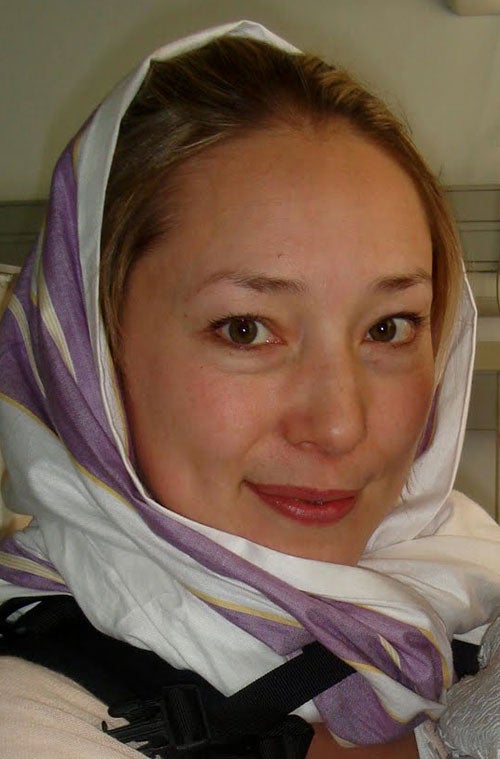
Violent deaths are hardly uncommon in Afghanistan. But even in this bloody conflict, the murder of Karen Woo and her colleagues is a particularly shocking and senseless act, a bleak reminder of the lethal savagery spreading across the country.
When news began to filter through on Friday evening that the bodies of a group of foreigners, including women, had been found in Badakhshan, there was a sense of foreboding among those who knew Karen and were aware that she was among a group of doctors who were travelling in that area.
The initial reports yesterday morning suggested that none of the victims was British. But that changed and, in the afternoon, a mutual friend telephoned to say that Dr Woo was indeed one of the women who had died. "This is so bloody stupid," he said. "Why on earth did they do it? All she was doing was helping people here, the poorest people here. And she had so much to look forward to."
Dr Woo was 36 and due to get married later this month. I ran into her fiancé, Mark "Paddy" Smith, a former soldier with disarming Irish charm, at a bar, the Gandamack in Kabul. He was returning to England for a colleague's funeral; making arrangements for the wedding would be a welcome distraction from a sad occasion. He was worried about his fiancée's trip, but accepted that she passionately believed in what she was doing and knew it would not be right for him to stand in her way.
Dr Woo's brother, David, told The Sunday Times: "She was a lovely, vibrant and energetic woman, determined to get the most out of life. She and Mark just clicked. She said he was the one. Their long-term plan was to come back to the UK and start a family together."
Mr Smith said they had met in November last year. "It was one of those crazy relationships. Nothing is normal in Afghanistan, but when we met it just made sense," he told The Mail on Sunday. "You know when something is right, and this was just right."
There was no doubting Dr Woo's commitment to her work in Afghanistan. She had given up a lucrative job in private medicine – she was an associate director of Bupa – to come here and work among those most in need, rural families living in poverty, women locked away in prisons, often without charge, their children sharing the incarceration. She set up an organisation, Bridge Afghanistan, and got stockpiles from British hospitals that would otherwise have been destroyed sent to Kabul, overcoming a myriad of bureaucratic obstacles to do so. An anonymous post on Bridge Afghanistan's website said yesterday: "She was a beautiful soul, and had such a big heart. We will miss her in Kabul."
Dr Woo's passion and compassion for the people of Afghanistan were first ignited during a trip to Kabul to visit a friend in 2008. She returned determined to do something. "The things that I saw made me, as a doctor, want to bring back the human stories both good and bad. The access that a doctor or healthcare professional has to a community is unlike that available to a journalist; the trust and conversations are different," she wrote on her blog about a trip she made in 2009.
Earlier this year Dr Woo, who lived in west London, began planning the arduous 120-mile trek into the remote and mountainous area of Nuristan. About 50,000 people live there without basic medical facilities. She was travelling with six Americans, a German and three Afghans – doctors, dentists and ophthalmologists – some of whom were affiliated to the Christian charity the International Assistance Mission, which has been operating in the country since 1966. The group's director, Dirk Frans, said the team had trekked from village to village treating about 400 people for eye disorders and other illnesses.
Last Thursday, on their way back to Kabul, after they had returned to their 4WD vehicles, they were murdered. Exactly what happened isn't known. Aqa Noor Kentuz, the police chief for Badakhshan province, said the group members had identified themselves as doctors but nevertheless were lined up and shot. "Their money and belongings were stolen," he said.
The Taliban were quick to claim responsibility yesterday, accusing the doctors of being "Christian missionaries", a claim dismissed by the International Assistance Mission.
Their bodies were discovered in Kuran wa Minjan district, an area on the border with Nuristan province, some days after the shootings are believed to have taken place.
Dr Woo was far more than just an aid worker. She grew up in Stevenage, Hertfordshire, the daughter of a Chinese father and English mother. She went to Barclay Secondary School in Stevenage, where her family still lives. Yesterday her cousin, Stella Swain, said her interests initially were dancing and acting: after she left school she went to London to be an actress before retraining as a doctor.
"She was a very special person," Ms Swain said. "This is the fourth time she's been out to Afghanistan. Before she left she was putting aid together. She wanted to help the women out there, particularly in childbirth."
Dr Woo's personal blog, which she wrote from Kabul, described life in the city from security clampdowns to the difficulties of having a ballgown made. Her last entry, dated 20 July, also spoke about the forthcoming, ill-fated, trip. "We found out that there is still a lot of snow on the pass and the horses won't be able to go all the way over... so now, when their little hooves can go no further, we'll be lugging it over the pass ourselves. The image of a straggly band of people labouring through the snow at 16,000 feet comes to mind but seems so very remote and painless as I sit at my desk in Kabul – I know it's going to hurt but I just can't imagine it right now."
She was keen not to be seen to be self-sacrificing. What her work gave her, she said, was a sense of purpose. "It is not just one way, what we are doing is hopefully helping people. It's a great bonus that it is also so interesting."
Dr Woo was an accomplished photographer and had recorded her journeys in Afghanistan. "There is something absolutely magical about the place, don't you think? I can't see anyone who had been there not wanting to help."
The journey north was never going to be risk-free. The violence has now spread to the area, with the fighters of the Taliban and Gulbuddin Hekmatyar carrying out attacks on government officials, foreigners and each other.
Dr Woo and her colleagues had been asked by elders in Nuristan for medical aid. It was, she maintained, a duty for them to go. "We know there may be problems, but these people need help and it seems right that we should try to give that help... we are not involved in politics: we are medics."
The Badakhshan police chief said: "Before their travel, we warned them not to tour near jungles in Nuristan, but they said they were doctors and no one was going to hurt them."
But in many parts of this country, those standards of humanity and common sense no longer apply. The Taliban claimed they killed the team; their official spokesman, Zabihullah Mujahid, declared they had been executed because they were "Christian missionaries" and "American spies". Or it may have been the work of opportunist robbers. The result remains the same: a tragedy for those who died, their friends and families, and a great loss for those they were trying to help – the dispossessed of Afghanistan.
Additional reporting by Andrew Johnson and Emily Dugan
Join our commenting forum
Join thought-provoking conversations, follow other Independent readers and see their replies
Comments