Tribal chiefs offered UK 'bribes' to fight Taliban
Scheme unveiled as David Miliband makes surprise visit
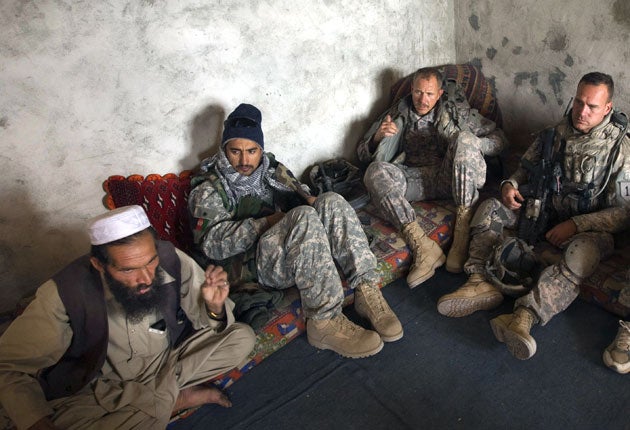
Britain plans to pay tribal elders in Helmand province monthly cash "bribes" as part of a controversial "Afghan Awakening" scheme to raise the tribes against the Taliban.
British officials in Kabul are bankrolling an Afghan initiative to pay community leaders monthly wages to get them talking to the government.
News of Britain's involvement came as the Foreign Secretary, David Miliband, met President Hamid Karzai during a surprise visit to Kabul yesterday. He then flew to Helmand to meet some of the community leaders likely to be involved.
Parallels have been drawn with the Iraqi "Awakening Councils", overseen by General David Petraeus, now the head of US central command, which helped unite Sunni tribesmen against al-Qa'ida insurgents in Iraq. Similar tribal militias in Pakistan have also begun to mobilise against the Taliban and its al-Qa'ida backers. But the problems in Afghanistan are complex because the Taliban, and other extremist groups, are often from the same tribes as the people the Afghan Social Outreach Programme (Asop) scheme hopes to reach.
The new strategy comes amid growing violence across Afghanistan and a steady trickle of British casualties in Helmand. Afghan officials have accused Britain of "losing the support of the people". The Asop is seen as the first step towards winning back influential tribal elders, on a district level, who might one day command irregular forces against the Taliban insurgents.
The elders will be handpicked by Helmand's governor, Gulab Mangal, and they are expected to earn about £800 a year for attending up to two meetings, or shuras, a month. But critics fear the payments, which are about 30 per cent more than civil servants earn, are President Karzai's way of bribing tribal elders to deliver votes ahead of elections next year.
A senior Western policy analyst in Kabul said: "It's anti-democratic. If this is perceived as more political patronage, or bribery, it runs the risk of generating friction and resentment." US officials are financing a similar initiative in the east, where their troops are based. It comes ahead of a major strategy review by General Petraeus which is expected to advocate closer engagement with Afghanistan's myriad tribal communities when Barack Obama takes office next year. Mr Obama said before the election that the "Awakening" scheme should be explored in Afghanistan following the success of the Sunni Awakening in Iraq which "changed the dynamic fundamentally".
Western backers insist the cash payments are just a way of harnessing informal government structures, so people in the provinces can air their grievances to the governor. Afghan officials insist it is the beginning of a much more ambitious plan to connect with fighting-age men who give their loyalty to village, family and tribal elders before any allegiance to Kabul.
Humayun Hamidzada, the President's spokesman, said existing strategies had seen the Taliban gain ground: "We don't want to create militias, but we need to be empowering tribal arbakai [community forces] and citizen patrols. Equip them, not just with weapons but with whatever it takes, so they can protect their territories."
President Karzai discussed the plans with Gordon Brown when he visited London this month. "We have lost a major part of Helmand to the Taliban because we failed to keep the population," Mr Karzai's spokesman said. "We failed to keep the tribal elders on our side. When we lose them we lose the territory. We should go back to the people."
The Prime Minister said Britain would increase its support for "community defence initiatives, where local volunteers are recruited to defend homes and families", last year. But the plans were put on hold because of a lack of American support. The programme will be piloted in two districts in Helmand in the coming weeks, and it is expected to be rolled-out across the province next year.
But charities fear it could legitimise militias and store up problems for the future after years of international efforts to disarm irregular forces. Matt Waldman, Oxfam's head of policy in Afghanistan, said: "Given the fragile security situation, Asop is a high-risk strategy which, if mishandled, has the potential to make matters worse."
Afghan officials insist it is a means of extending the writ of Kabul's fragile government. "By supporting tribal structures you are actually supporting the traditional structures of governance. You are empowering the individuals who have led the people for centuries," Mr Hamidzada added.
A spokesman for the British embassy in Kabul said Asop would "establish community councils in Helmand and build trust between communities and government".
The tribes in Helmand have been heavily fractured by decades of fighting, and the balance of power is now inextricably linked to the multibillion- dollar drugs trade. Tribal experts insist it will be harder to identify elders who can deliver security there than in the east, where the Americans are working. The Nato-led International Security Assistance Force is working with Afghan security chiefs to agree how the tribal forces might be controlled.
Join our commenting forum
Join thought-provoking conversations, follow other Independent readers and see their replies
Comments