Warlords using heroin cash to buy surface-to-air missiles
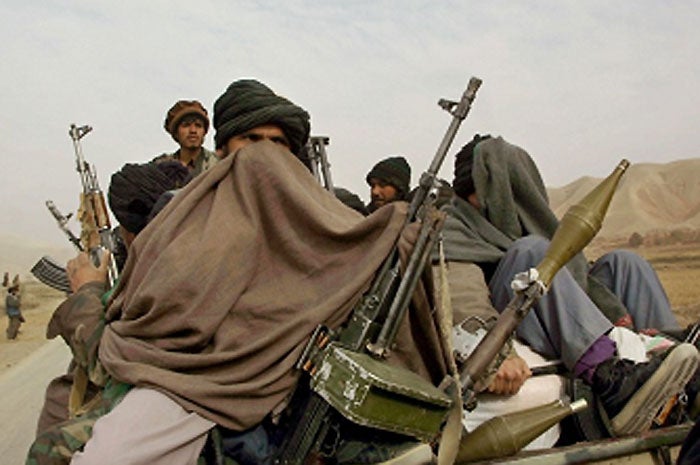
Taliban drug lords are using cash from Afghanistan's bumper heroin crop to try to buy Stinger missiles, the country's anti-narcotics chief has warned.
The surface-to-air missiles played a key role in driving out Soviet forces in the 1980s because they enabled mujahedin fighters to shoot down Russian helicopters.
General Khodaidad, the Counter-Narcotics Minister, said the Taliban was desperately trying to buy better anti-aircraft weapons, to undermine Nato's military advantage. He urged Nato leaders meeting in Bucharest to concentrate on eradicating the poppy crop, before the insurgents succeeded.
He said: "They are trying to get weapons to shoot down helicopters. They are trying to get Stingers and anti-aircraft guns.
"If they get them, they would limit the movement of helicopters and take away Nato's main advantage."
General Khodaidad has first-hand experience of the missiles. He spent seven years fighting the mujahedin as a member of Afghanistan's Communist army. Back then his enemies had Stingers supplied by the Americans and Blowpipe missiles from Britain.
He said: "Both of them are very effective. They cause a lot of casualties, they bring down the morale of the armed forces and they limit the movement of helicopters."
Nato has struggled to get more troops and helicopters from its member nations, which are reluctant to put soldiers in harm's way. Diplomats fear a few helicopter crashes would be enough to see some nations withdraw. Nato troops rely on helicopters to move around in hostile areas, because they are immune from ambushes and roadside bombs.
Some British outposts are so far inside Taliban territory that it is too dangerous to reach them by road, so everything from men to ammunition has to be flown in by helicopter. Attack helicopters, such as the Apache, also play a key role supporting ground operations.
Afghanistan's heroin trade is worth £2bn a year, almost half the country's GDP. General Khodaidad warned it could be a matter of time before the Taliban used their cut of that cash to get hold of the new weapons. He said: "They have money. But it depends on time, and what help they get from foreign countries."
Nato forces have intercepted arms shipments from Iran and Pakistan in the past, which have included sophisticated bombs designed to penetrate armoured cars.
But the insurgents are not thought to have a reliable supply of surface-to-air missiles. Government sources have suggested they were also trying to buy missiles from mafia networks in Russia and Europe.
At the moment the Taliban relies on rocket-propelled grenades and light machine guns to attack helicopters.
A spokesman for the British forces in Afghanistan, Col Simon Millar, said: "There's clearly a link between the Taliban using the narcotics trade to get finance. As far as we are aware there is nothing to suggest they have them [Stingers]. But we have to accept the Taliban will always try to up-gun itself and we will ensure that as and when we need to, we will defeat their weapons systems."
General Khodaidad said the international community had finally realised Afghanistan's drugs were funding the insurgency, but he said it remained divided on how to defeat it.
Join our commenting forum
Join thought-provoking conversations, follow other Independent readers and see their replies
Comments