Brown bears make a comeback in the mountains of Spain
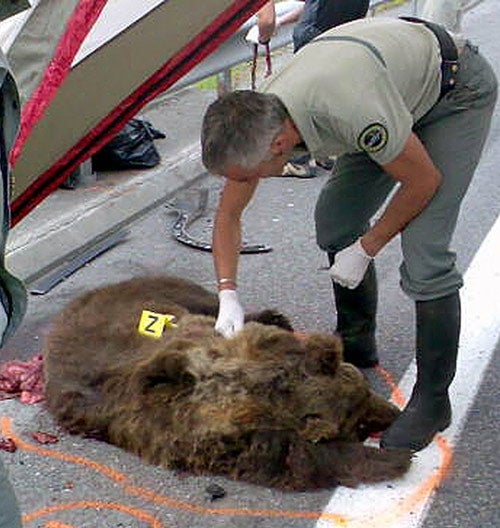
The endangered brown bear, which once roamed the forests of Europe, is showing signs of recovery in one of its remaining strongholds, the Cantabrian mountains of Spain.
Small colonies of brown bears are increasing in the craggy northern cordillera of Asturias and Cantabria. After being menaced by illegal hunters and the encroaching infrastructure of tourism, numbers of fertile females have doubled in the past decade and traces of bear activity have tripled in the last two years.
A colony of 100 bears is thought to inhabit the west of the region, with another smaller colony of about 30 to the east. The reclusive animals are still on the endangered list and their long-term survival remains under threat because the number of animals remains small despite reproduction becoming consolidated in recent years.
"We would like to establish a corridor between the separate colonies to increase the bears' genetic diversity and reproductive velocity, and thereby their chances of survival," said Guillermo Palomero, head of the Santander-based Brown Bear Foundation (Fundacion Oso Pardo). "That is the only sure way of protecting them from becoming extinct."
A joint study by the foundation and Spain's environment ministry based on 16 years of observation of the bears in their natural habitat strongly recommends trying to establish a connection between the colonies, which are 30 miles apart, to safeguard the local population. While brown bear numbers have been boosted in the Pyrenees by importing animals from Slovenia, this is not an option "because Cantabria's brown bears are a pure species unique in Europe," Mr Palomero said.
The revival is partly due to more effective control of illegal hunters, or furtivos, who now face two years in jail and a fine of up to €300,000 (£230,000) for the "ecological crime" of killing a bear.
"Furtivos still exist. There may be fewer huntsmen with guns, but more traps and poison are laid for wolves and wild boars. They still do a lot of damage," said Mr Palomero. "Collaboration between the authorities and voluntary organisations has been crucial in consolidating bear populations during 2007. We mustn't drop our guard or cry victory too soon.
"The turning point was when we realised the importance of groups of females with their young cubs. While the males roam across country, the mother and her cubs stay within a defined area. We must protect them in their habitat, because they are the guarantee of the future."
Ursine history was made in the winter of 2006 when the foundation revealed that Cantabria's brown bears had stopped hibernating. The region's winters had become warmer in recent years, enabling the bears to forage for enough food all year round.
Bears are well known for their propensity to slumber through the winter to the point of biological shutdown. But their behaviour went through a revolutionary change when female brown bears with young cubs found enough nuts, acorns, chestnuts and berries on Spain's bleak northern mountainsides to make the effort of staying awake and hunting for food "energetically worthwhile".
Join our commenting forum
Join thought-provoking conversations, follow other Independent readers and see their replies
Comments