Tangled justice for Kosovo
Former Serbian president cleared of ethnic cleansing as three officials sentenced to 22 years for war crimes
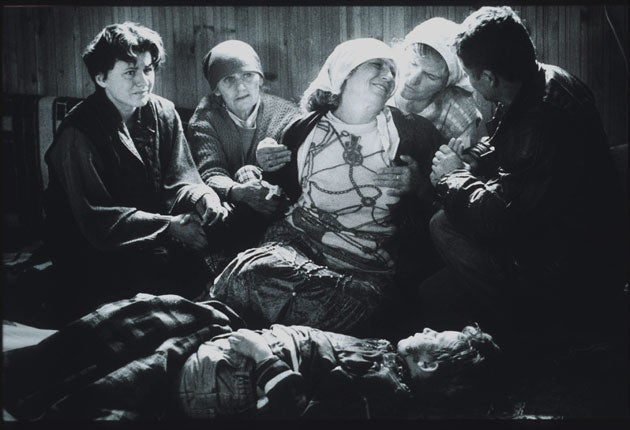
The first successfully completed trial of Serbs accused of war crimes during the Kosovo conflict ended in The Hague yesterday with 22-year sentences for the three officials most closely involved in the ethnic cleansing of Kosovo, but a shock acquittal for the highest profile defendant, former Serbian president Milan Milutinovic.
Like the other five Serbs on trial, Mr Milutinovic, 66, had been accused of what prosecutor Thomas Hannis said was "a joint criminal enterprise" in the first half of 1999, which resulted in the killing and persecution of thousands of Kosovo Albanians (Kosovars) and the deportation of about 800,000 to neighbouring Albania. "They burned or destroyed villages so there was nothing left to return to," Mr Hannis said.
Mr Milutinovic, who led Serbia from December 1997 to December 2002, was largely a figurehead president. The prosecution argued that Slobodan Milosevic, who was the Yugoslav president at the time, was the "primary planner", and had promoted the accused "to ensure that like-minded people were in positions of power".
Mr Milutinovic, the man with de jure authority over the military forces which were responsible for much of the carnage and forced deportations in Kosovo, was charged with crimes against humanity including murder, deportation and persecution, and one charge of war crimes. He pleaded not guilty on the grounds that he had little real power, and the court under Judge Iain Bonomy accepted his claim. Charged in 1999, he surrendered in January 2003, one month after his five-year presidential term finished.
The toughest sentences were handed down to Nikola Sainovic, former vice prime minister; General Nebojsa Pavkovic, commander of the Serb army in Kosovo; and police commander General Sreten Lukic, who received 22-year sentences. The ex-Yugoslav army chief of staff Dragoljub Ojdanic and former general Vladimir Lazarevic were convicted of deportation and forcible transfer of civilians but acquitted of murder and persecution. They each got 15 years.
The invisible presence in the court room was Milosevic, whose trial on similar charges was aborted when he died of a heart attack in his cell in The Hague in March 2006. At the trial's opening session Mr Hannis said: "The evidence in this case will show that the six accused... were co-participants with Slobodan Milosevic and other Serbian political, military and police officials in a joint criminal enterprise."
The goal of the enterprise was drastically to alter the ethnic balance in Kosovo, which has an important place in Serbian nationalist mythology but a population that is overwhelmingly Kosovar. More than a third of the Kosovar population was forced out of the country, but the vast majority returned in the following months, after the 78-day Nato bombing campaign ended Serb defiance.
Several Serbian TV stations aired the sentencing direct from the international war crimes tribunal, with state-controlled Radio Television of Serbia opening its afternoon news programme with a suggestion that war crimes were "allegedly" committed in Kosovo.
It is clear the nation is still in denial over what happened in Kosovo and cares little for the human suffering of ethnic Albanians. The prevailing opinion remains the Kosovo Albanians were "secessionists" and the state had every right to act against an armed rebellion led by the Kosovo Liberation Army (KLA).
Branko Ruzic, of the Socialist Party of Serbia – Milosevic's old party – said the men sentenced yesterday were "acting in accordance with Constitution, defending the territorial sovereignty and integrity of Serbia".
Join our commenting forum
Join thought-provoking conversations, follow other Independent readers and see their replies
Comments
Bookmark popover
Removed from bookmarks