The women Greece blames for its HIV crisis
Prostitutes have been rounded up and jailed as new cases soar
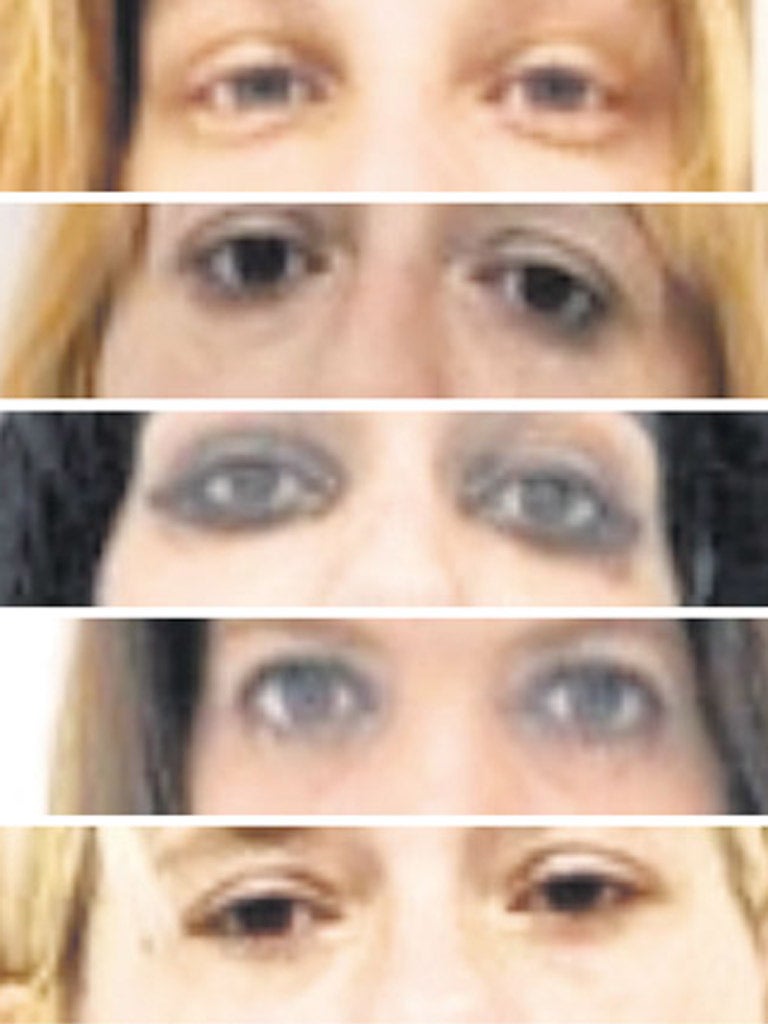
The women glare into the camera, their humiliated, pale faces smeared with make-up and tears. Glazed eyes stare out under lurid headlines warning of "the nightmare of Aids" with "infected prostitutes" posing a "death trap for hundreds of people".
It was early May, just days before bitterly fought elections in Greece, and another health crisis was brewing in the cash-strapped nation. New figures showed an astonishing rise in new HIV infections. Health workers blamed deep cuts to social programmes, but on the lookout for easy votes, officials instead turned their wrath on the city's sex workers.
State doctors and police rounded up prostitutes across Athens and forced the women to take HIV tests. When dozens tested positive, retribution was swift and vindictive: police posted their names and photos online, before locking them up on hazy charges of causing bodily harm. Some Greek websites reprinted the mug shots, alongside scaremongering stories about the thousands of "married family men" who could have been infected.
Within days, vigilante groups gathered outside the homes of the women's families, shouting abuse. The phone at the Praksis health clinic in Athens was ringing off the hook. Panicked men who had paid for sex wanted to know if they were infected, but refused to get tested for fear their names would be splashed across the media too.
Tzanetos Antypas, the president of Praksis, said the government had broken every globally recognised guideline for respecting the rights and privacy of people with HIV, all in the name of pocketing a few extra votes.
"It was a catastrophe," he told The Independent. "For 15 years we've been making steps forward – from one day to another everything collapsed."
Bucking a worldwide downward trend, new HIV cases reported in Greece in 2011 surged 57 per cent from the previous year. Among drug users, that rate had rocketed an alarming 1,450 per cent. The government initially blamed illegal migrants but, in reality, it was a perfect storm of government cuts to needle exchange programmes, entrenched social stigma, and an increase in desperate sex workers agreeing to have sex without condoms to boost their income as the financial crisis pushed prices down to a few euros a client. Two rounds of elections have since passed and a new government is in office, but 26 of the women arrested in May remain in jail. They insist they did not know they were HIV-positive, but they are finding few sympathetic ears.
The stigma in Greece runs deep, not helped by opposition from the powerful Greek Orthodox Church to both sex education in school and government-sponsored public awareness campaigns.
Speaking at the International Aids conference in Washington on Monday, Sir Elton John appealed for action to bring people living with HIV out of the shadows. But this year's events in Greece show such stigma is still alive and well within Europe's borders.
One man who knows the difficulties of living with HIV in Greece is 35-year-old Thodoris. In 2010, he was ecstatic to find himself down to the final 20 in the first Greek version of the amateur cooking show, Masterchef. When the show's producers asked the finalists to take a medical check-up, he happily went along.
But without telling the contestants, the producers tested them all for HIV. The next day, Thodoris was called back to the clinic. It was then that he learned that he was HIV positive. The producers told him that he had a choice: he could stay, but only if he announced to all the other contestants that he was HIV positive.
"Because of my family, I decided to get out, because someone from the other 19 contestants of the show might tell a journalist – then I would have a very big problem," he says.
So the Masterchef presenters told viewers that he had "business problems" and Thodoris quietly slipped away. Now, he is unemployed. Job applications to restaurants have been turned down. Athens, he says, is like a small village: even though his name was never made public, his condition appeared to be common knowledge in every kitchen in the capital. Although he currently gets his anti-retroviral medication for free, he lives in fear that the continuing cuts to the health budget will strip him of those life-saving drugs.
Thodoris is one of the people that Dr Apostolos Veizis, head of the medical operations support unit for Medecins Sans Frontieres in Greece, calls the invisible victims of the crisis: people who slip between the cracks, not destitute enough to warrant free public healthcare, but without the insurance needed to cover private healthcare.
You don't have to look too hard in Athens to see the people clinging to the very edges of society. An emaciated man drags a leg swollen with a festering wound through a crowded train carriage, mumbling a plea for spare change. Street children selling roses weave in and out of crowds.
People thrown out of the homes they could no longer afford sleep in the entrances of boarded-up buildings that were once the small businesses that formed the backbone of the Greek economy.
In 2009, the government slashed the public health budget by 40 per cent: programmes for the people who have little voice in society were the first to be axed.
Dr Veizis says the key reason for the stratospheric rise in HIV infections among drug users is the scrapping of needle exchange programmes. Among other vulnerable populations, more women may have turned to prostitution – which is legal at licensed brothels – to support their families as unemployment hits 22 per cent. But more women in the sex trade and falling incomes means clients now only pay between €2 and €15, and many male and female sex workers agree to have sex without condoms for a higher price. Dr Veizis says that in any crisis, more people try to find comfort or oblivion in alcohol or drugs, thus increasing their risk of exposure to the virus.
Although the numbers of new infections are still relatively small – there were 954 new HIV infections in Greece last year – they are one of only a handful of countries were new infections rose. Globally, new HIV infections have fallen from 2.6m in 2010 to 2.5m last year. Over the 10 years from 2001 to 2011, they fell 20 per cent.
"At the moment of crisis, the one thing you don't need to do is to cut the budget on the public healthcare system and social welfare," says Dr Veizis, warning that it will end up backfiring. "If you have tomorrow a spreading of tuberculosis, HIV, etcetera, the cost you need to pay to treat your patients will be even higher."
And it's not just within Greece's border that experts are worried about. Samuel R Friedman, director of HIV/Aids research at the National Development and Research Institutes Inc in New York, warns that unless Greece – with the help of the rest of Europe – pulls itself out of the economic crisis, the situation could spiral out of control, with more demoralised young people turning to drugs and other dangerous behaviour to numb the pain: "What they are doing is creating an epicentre for the spread of the virus in Greece and beyond."
Greece: A sick nation?
1,450% increase in new HIV infections in Greek drug users 2010-2011
63 malaria cases reported last year, the first outbreak in 40 years
25% increase in homelessness in Athens in 2011
40% increase in suicides in the first half of 2011 compared to 2009
70% of people in Achaia province cannot afford to buy the drugs prescribed by their doctors, according to a study by the University of Patras
40% cuts in hospital budget
24% rise in admissions to hospitals in 2010 compared with 2009
Join our commenting forum
Join thought-provoking conversations, follow other Independent readers and see their replies
Comments