Iran increases hold in Iraq as Shia militia enters politics
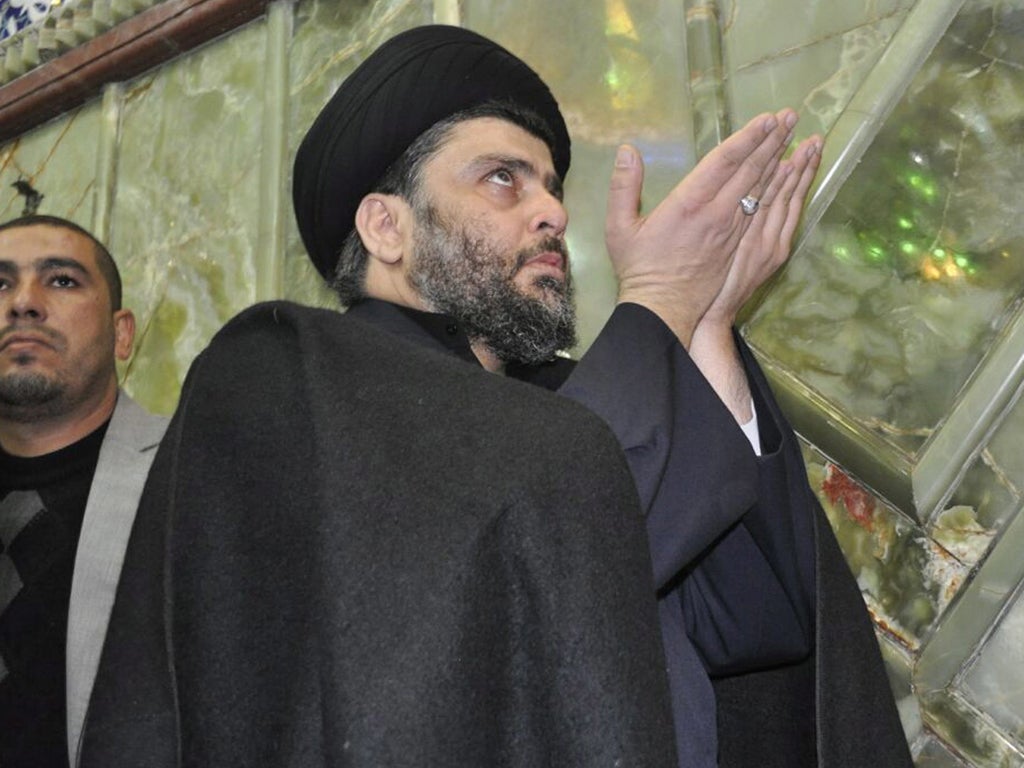
An anti-American Shia militia in Iraq backed by Iran that once killed US soldiers has agreed to give up its weapons and join the political process in a move likely to fuel US paranoia about growing Iranian influence in the country.
The group, the Asaib Ahl al-Haq, which split from the Mehdi Army militia of the nationalist Shia cleric Muqtada al-Sadr, carried out some well-organised attacks on US troops at the height of the tit-for-tat covert conflict between Iran and the US in Iraq in 2007. They were also responsible for kidnapping the British IT consultant, Peter Moore, from the Justice Ministry in Baghdad. They later killed four of his bodyguards whom they now say tried to escape.
The group says it wishes to run in local and parliamentary elections and is willing to hand over its weapons. “They want to join the political process,” said Amer al-Khuzaie, Prime Minister Nouri al-Maliki's adviser for reconciliation. “The government will not buy up the group's weapons, but we are ready to take them if they want us to.”
The group carried out lethal attacks on the remaining US bases in Iraq last June. Mr Sadr, who has denounced the sectarian killings carried out by Shia militiamen acting in his name, says that Asaib Ahl al-Haq still has Iraqi blood on their hands. Mr Maliki may wish to split the Shia militia movement that only grudgingly gave him the support he needed to remain prime minister in 2010.
Pledges to disarm are never worth very much in Iraq since a majority of the male population has weapons and knows how to use them. Mr Sadr was heavily supported by Iran when he fought US forces in Najaf twice in 2004 and he later sought refuge there when the US and Mr Maliki were seeking to crush his militia. But his relations with the Iranians have always been equivocal and he has sought to avoid becoming their pawn while at the same time demanding the withdrawal of all US troops.
The solidarity of Iraq's Shia population, 60 per cent of the population, will increase as al-Qa'ida in Mesopotamia continues to launch devastating bomb attacks against Shia pilgrims and other civilian targets. At least 78 people were killed on Thursday. These bombings create an atmosphere of insecurity though they do not really destabilise the government. They do succeed, however, in endangering the Sunni community, to which the bombers almost always belong, which needs to form alliances with anti-government Shia politicians.
The US has always been highly sensitive to signs of the Sadrists' influence, such as their insistence that no US troops remain after the end of last year. But the Sadrists have traditionally been Iraqi nationalists and Shia Islamists rather than creatures of Iran.
The shift of allegiance of a small Iraqi militia group like Asaib Ahl al-Haq receives attention in the US because of the growing confrontation with Iran over its nuclear programme. The White House is eager to avoid accusations from Republicans during an election year that US military withdrawal from Iraq somehow handed the country over to Iran. Sanctions against Iran's central bank and an EU embargo on Iranian oil exports are sharpening the conflict to a point where it is playing an increasing role in the US presidential election campaign this year.
Join our commenting forum
Join thought-provoking conversations, follow other Independent readers and see their replies
Comments