Women hold just 20% of World's political power, report says
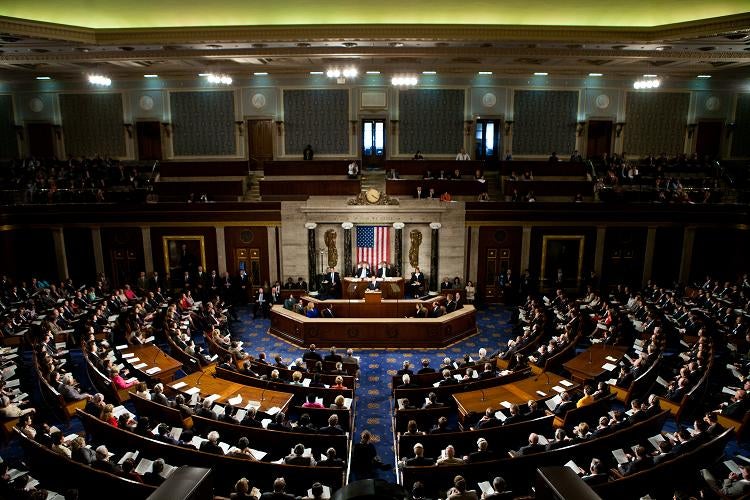
Women have gained little ground in political leadership around the world, with men still in about 80 percent of key elected and appointed positions, according to the World Economic Forum's annual Global Gender Gap Report.
"Some countries are moving in the right direction, but very slowly," said Saadia Zahidi, head of the WEF's Women Leaders and Gender Parity program, in an interview before the release of the 2012 report. "We're talking about very small and slow changes."
The survey found that 20 percent of the political decision-making gap has been closed, Zahidi said. Last year, the report showed 19 percent of it had narrowed. Overall, Nordic nations were once again the most equal, according to the report. Iceland claimed the No. 1 position for the fourth year in a row, followed by Finland, Norway and Sweden.
The rankings are determined through 14 indicators of access to resources and opportunities, looking at variables such as maternal death rates, life expectancy and the number of female government ministers, in 135 countries. The Geneva-based WEF issued its first gender gap index in 2006.
The disparity in health and education categories has been shrinking faster than others, according to the report. About 96 percent of the differences in health outcomes between men and women have disappeared, and 60 percent of the gap in labor force participation, job advancement and wages has closed.
In political empowerment, measured by the ratio of women to men in minister-level and parliamentary positions, progress has been halting. In the United States, for example, 17 percent of Congress is female, relatively unchanged from 2005. The U.S. slipped to No. 22 in the overall index in 2012 from No. 17 last year, in part because of the decrease in the percentage of women in cabinet-level positions.
The WEF this year is starting pilot projects in Mexico, Turkey and Japan to try to close what the organization calls the "economic participation gender gap" in those countries by 10 percent over three years. WEF task forces will work with government agencies and private companies to establish different programs in each country, Zahidi said.
In Mexico, for instance, the task force is focusing on mentoring and supporting female-owned businesses. Mexico is 84th, Japan is 101st and Turkey is 124th in the 2012 rankings. Several other countries would like to be involved in this project as well, Zahidi said Wednesday at a press conference in New York.
"There are different things that need to be done in different places, but there's a lot that can be shared between countries and companies," Zahidi said.
At the conference, Zahidi said the small but persistent gap between women and men in the health and education categories is still problematic in countries like India, China and Afghanistan. Still, changes in political empowerment and economic participation tend to drive movement in the rankings, she said.
"The next set of changes need to be made in ensuring that women have equal access to positions of decision making and ensuring that both women and men can combine work and family so that we do see higher numbers of women participating in the economy," she said in an interview before the release.
The review looked at how countries divide resources and opportunities for men and women.
The Philippines came in eighth, the only country in Asia to have eliminated the gap in health and education. Nicaragua was in ninth place, up from 27th last year, helped by changes in the percentage of women in parliament and ministerial positions.
China and Japan fared slightly worse this year while India improved. China fell to No. 69 from 61, Japan slipped three slots to 101 and India moved up eight places to 105.
Spain dipped to 26th place after rising to 10th in 2007. Others in Europe — Germany, Belgium and Switzerland — maintained their positions in the top 15, with the Netherlands improving to 11th from 17th two years ago. Britain slipped to 18th place from 16th.
Most Arab nations are in the bottom quarter, with persistently low marks for political empowerment and economic participation. Those with the highest rankings in the region, including the United Arab Emirates and Qatar, have made significant increases in women's education levels, according to the WEF report.
The United Arab Emirates ranked 107th, after being 103rd last year, while Egypt declined to 126th from 123rd. The bottom three in the rankings were the same as in 2011: Chad at 133rd, Pakistan at 134th and Yemen at 135th.
"With talent shortages projected to become more severe in much of the developed and developing world, maximizing access to female talent is a strategic imperative for business," said Klaus Schwab, founder and chairman of the WEF, in a statement.
At this year's WEF annual meeting in Davos, Switzerland, women accounted for about 17 percent of the government officials, executives, economists and others who attended. The proportion increased from 9 percent in 2006 after an effort to attract more women. Zahidi said closing the gender gap at Davos faces an "external glass ceiling," as the conference reflects global leadership that remains male-dominated.
Zahidi's co-authors on the report were Laura Tyson, head of the Council of Economic Advisers under President Bill Clinton, and Ricardo Hausmann, director of Harvard University's Center for International Development.
Join our commenting forum
Join thought-provoking conversations, follow other Independent readers and see their replies
Comments