Dominic Lawson: Let the public punish 'fat cats' if they really care
Perhaps a mass campaign to switch accounts from the bank with the highest-paid CEO?
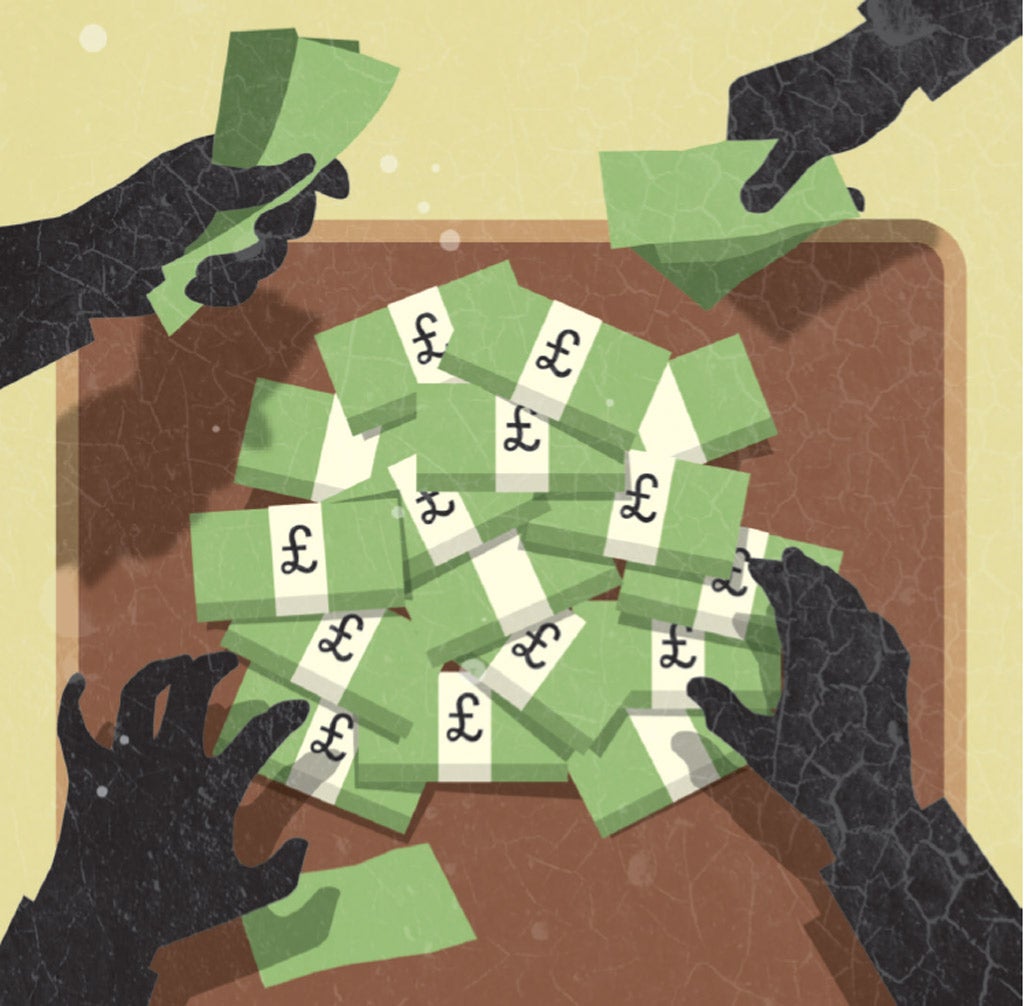
The most familiar war cry of the massed battalions of the press resounds throughout the land: something must be done! The "something" in this case is executive pay – or "fat cats", in the argot of the tabloids. The proximate cause of the outcry is recent research showing that last year the median pay of FTSE 100 chief executives rose by 14 per cent, while the figure for the wage-earning population as a whole rose by only a tenth of that.
The chief executives concerned could make – though they are notably reticent – some points in their own defence: for example, that the continued existence of their companies in the FTSE 100 index is itself proof that they have performed well since, if they had not, their companies would have dropped out to be replaced by others whose market value had overtaken theirs.
Yet the more substantial statistical truth is that over the past decade the pay of chief executives has increased dramatically more than that of "ordinary" employees, even in companies whose performance has been less than stellar. This is what the Prime Minister presumably meant when he told the BBC's Andrew Marr on Sunday that "rewards for failure [make] people's blood boil"; and, in an interview with the Sunday Telegraph, Cameron said that he wanted to "redefine fairness".
Hang redefinitions – what is the existing meaning of fairness in this context? For many, especially on the left of the political spectrum, the issue of fairness is entirely distinct from Cameron's point about "rewards for failure". They regard pay packets in the millions of pounds a year to be intolerable, however brilliant or successful the businessman concerned. This, perhaps, is the rationale behind the proposal in The Independent's leading article yesterday that "something must also be done" – there it is again – "to fix a ratio of pay between a company's highest and lowest earners".
Yet as the Tory MPs Matthew Hancock and Nadhim Zahawi pointed out in their recent book analysing the misdeeds and mistakes of high finance, Masters of Nothing, a firm such as Goldman Sachs actually has a much smaller such ratio than, for example, Tesco, which has many more low-paid employees. Besides, what business is it of politicians to decide what should be the wage structure within individual private companies? That would mark a return to the thinking behind the incomes policies of the Labour Government of the mid-1970s, something which Ed Miliband at his reddest Edness would not dream of proposing.
Indeed, even within the banks part-nationalised by the Brown administration, Government has shown a marked reluctance as controlling shareholder to restrict boards from maintaining the stonking pay packages characteristic of the financial sector: last year, Royal Bank of Scotland's chief-executive, Stephen Hester, received remuneration totalling £7.7m. The Treasury has taken exactly the view that City fund managers with shares in RBS would do in the same circumstances: that they have the right man for the job in Mr Hester, and that on the scale of the hundreds of billions at stake, his pay and benefits of £7.7m are way below even the margin of error.
That fact, however, also gives a clue to one of the less-often-noted reasons for the bulging increases in FTSE 100 chiefs' pay over the past decade or so. RBS under its previous boss Fred Goodwin had grown into a colossal company by means of a series of takeovers of rivals – notably that of NatWest. What seems to have happened in such circumstances is that the new boss of the merged megabank has got rid of one chief executive but added the departed rival's pay to his own, on the largely spurious grounds that he should be paid a salary commensurate with the increased size of the business.
To the extent that one of the effects of globalisation and increasingly open financial borders has been a concentration of capital in ever larger corporate units, this has been a feature of pay at the top not just in this country, but across the world. It might help to explain the fact that globalisation, while on the whole suppressing the wages of workers in the developed world, has not had the same effect on the pay packets of those at the very top.
That does not exonerate fund management companies, most obviously the pension funds, from the fiduciary responsibility they have to their clients (us), in not indulging grotesque overpayments to employees; never forget, the directors of publicly quoted companies are employees, not owners.
D avid Cameron pointed out to Andrew Marr at the weekend that the Government's plans to "empower" shareholders in their invigilation of directors' pay is the ministerial responsibility of the Business Secretary Vince Cable: he said that he didn't want to "steal Mr Cable's thunder" by making any policy announcements himself. That is the nice way of putting it. The other way would have been to say: "We need to nail the Lib-Dems to the mast on this, so that they can't insinuate that they are tougher on fat cats than we Tories are: and, besides, we all know that the big fund management companies have no intention of getting any more involved in scrutinising, let alone rejecting, directors' salaries, however much they are 'empowered' – and it would be such fun to see Vince bash his head against the wall on this."
The truth is neither of the two governing parties is in a particularly strong position to give big business lessons on "fairness" in pay (however defined). The Conservatives have been busy handing out peerages to party donors from the hedge fund business, who probably regard the salaries of publicly quoted company directors as pitifully small; while their Coalition partner responded to the arrest last week of its biggest-ever donor, Michael Brown, by reiterating that it had no intention of re-paying to his victims any of the £2.4m that the fugitive filched to fund the Lib-Dems' 2005 election campaign.
So, if the political parties are tainted and the big shareholders are not much bothered about corporate excess, who should act on the media's demand that "something must be done"? To the extent that the issue is one of shame, the public should do it themselves, if they really do care as much as is claimed: perhaps a mass campaign to switch accounts from whichever bank has the highest-paid chief executive to the one with the least well-remunerated boss? That would be "something".
Join our commenting forum
Join thought-provoking conversations, follow other Independent readers and see their replies
Comments