The Independent's journalism is supported by our readers. When you purchase through links on our site, we may earn commission.
Sarajevo guide: Where to eat, drink, shop and stay in Bosnia and Herzegovina’s capital
How to make the most of a trip to Europe's most misunderstood city
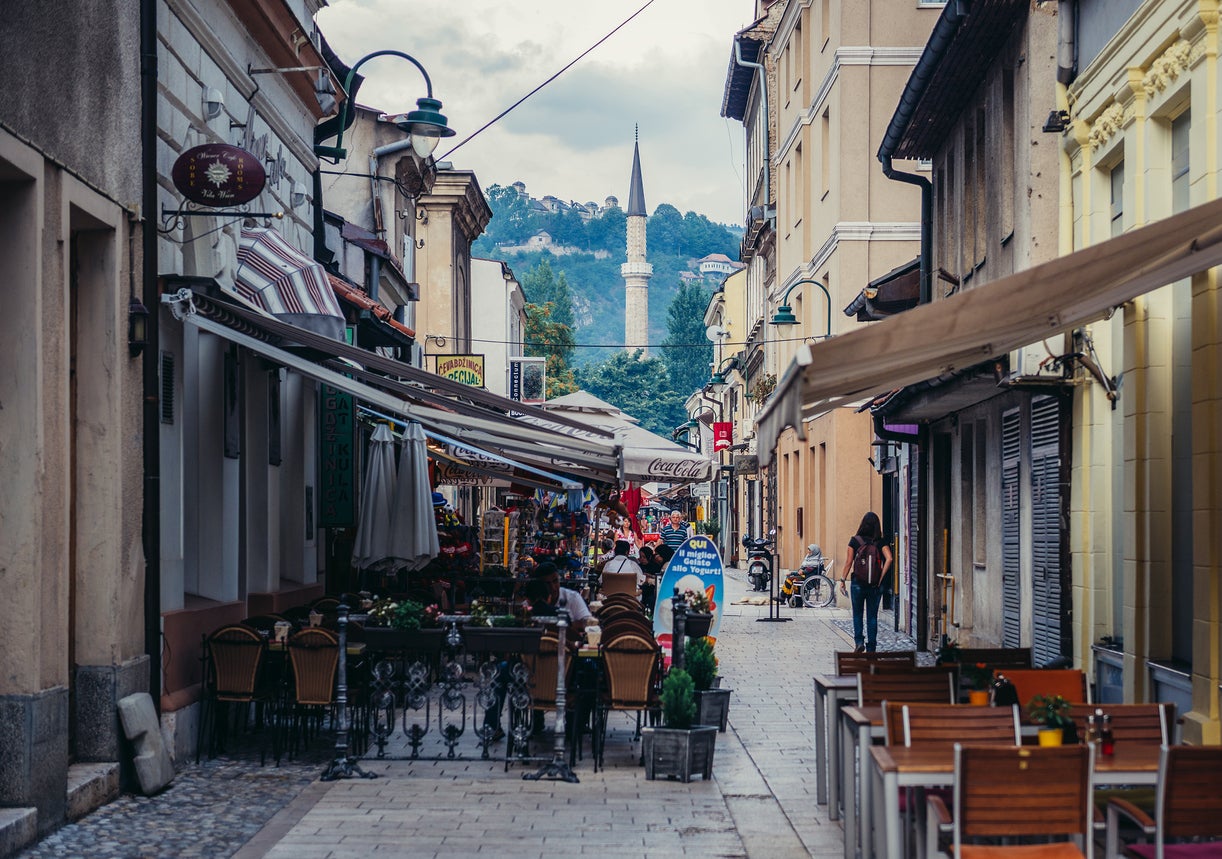
This once war-torn city suffered the longest siege in modern history in the early Nineties, lasting nearly four years.
Today, though, there’s much more to Sarajevo than battle scars. The capital of Bosnia and Herzegovina is undergoing a radical transformation: modern glass shopping centres, boutique hotels and a magical old town that feels like you’ve travelled through time.
An afternoon spent strolling Turkish-style alleys and boulevards dotted with Austro-Hungarian pastel facades is reason enough to spend a weekend in Sarajevo. There’s also a café culture rivalling Italy or France and a surprisingly vibrant nightlife. And the best part? It all comes at an incredibly reasonable price.
What to do
Stroll the old town
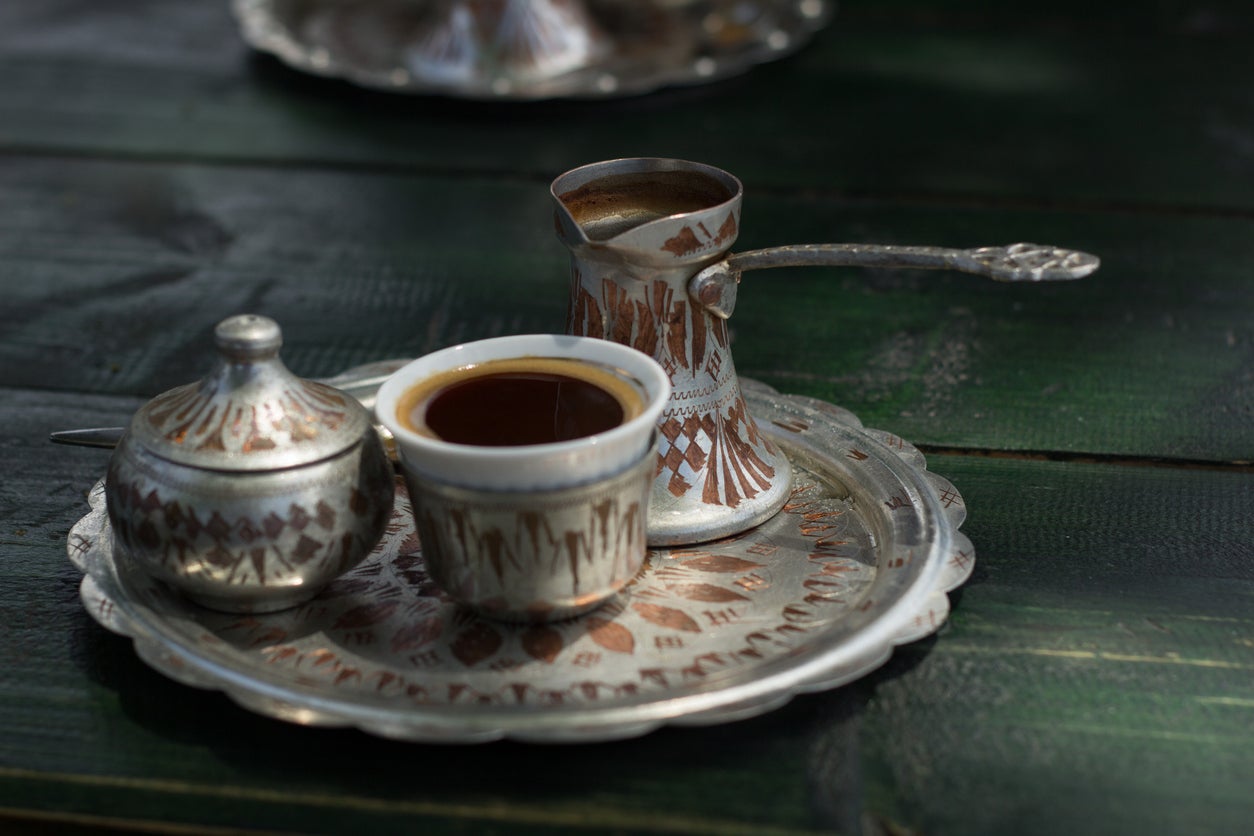
Known as Baščaršija, the cobblestone alleys of the old town date back to Ottoman rule in the 15th century. Listen to the clang of smiths crafting copper coffee sets and household items in small workshops. The area is also full of restaurants, gift shops and cafés; sit and people watch while enjoying a cup of traditional Bosnian coffee and piece of sweet baklava or grab a photo with the flock of pigeons in front of the old fountain (Sebilj).
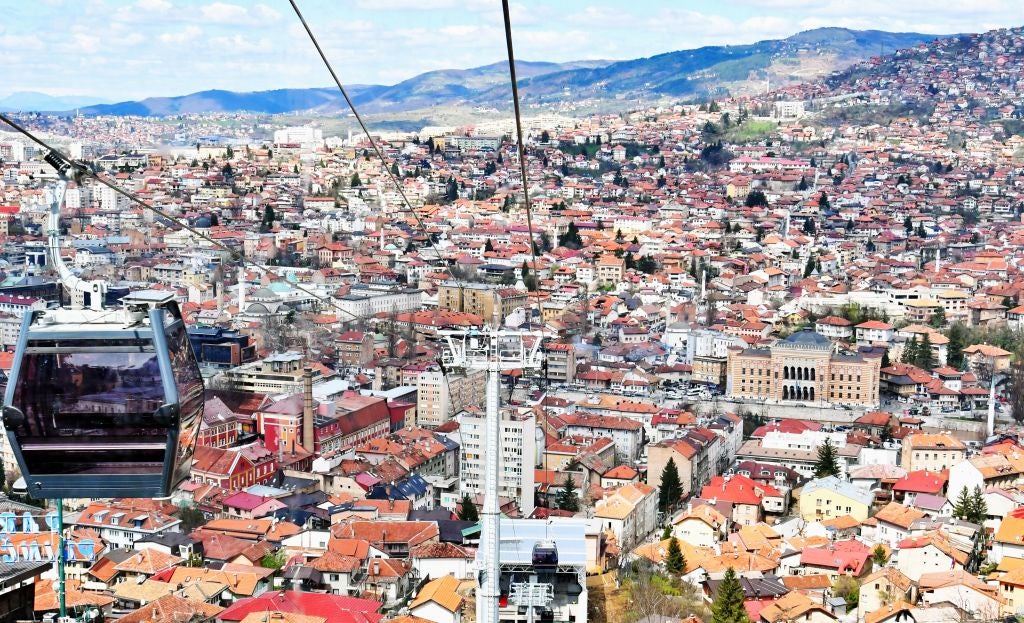
Take the cable car up Mount Trebević
Unveiled in 1959 then destroyed during the war, the cable cars connecting the old town to the Olympic mountains began operating again in this month. At the top, explore the graffitied bobsled track or go for a scenic hike among the leafy green trees. Don't forget to look down for sweeping views of the city. a return journey costs 20 Bosnia-Herzegovina marks (£8.90).
Visit the Tunnel Museum
The War Tunnel Museum provides an intimate glimpse into the nearly four years of conflict where citizens used the crudely built tunnel under the Serbian-controlled areas of the city to avoid sniper fire while accessing food and medical supplies. Visitors to the solemn landmark have the opportunity to explore a short portion of the remaining tunnel.
Open daily, 9am to 5pm until 31 October; 9am-4pm 1 November to 31 March; entry 10 BAM (£4.50).
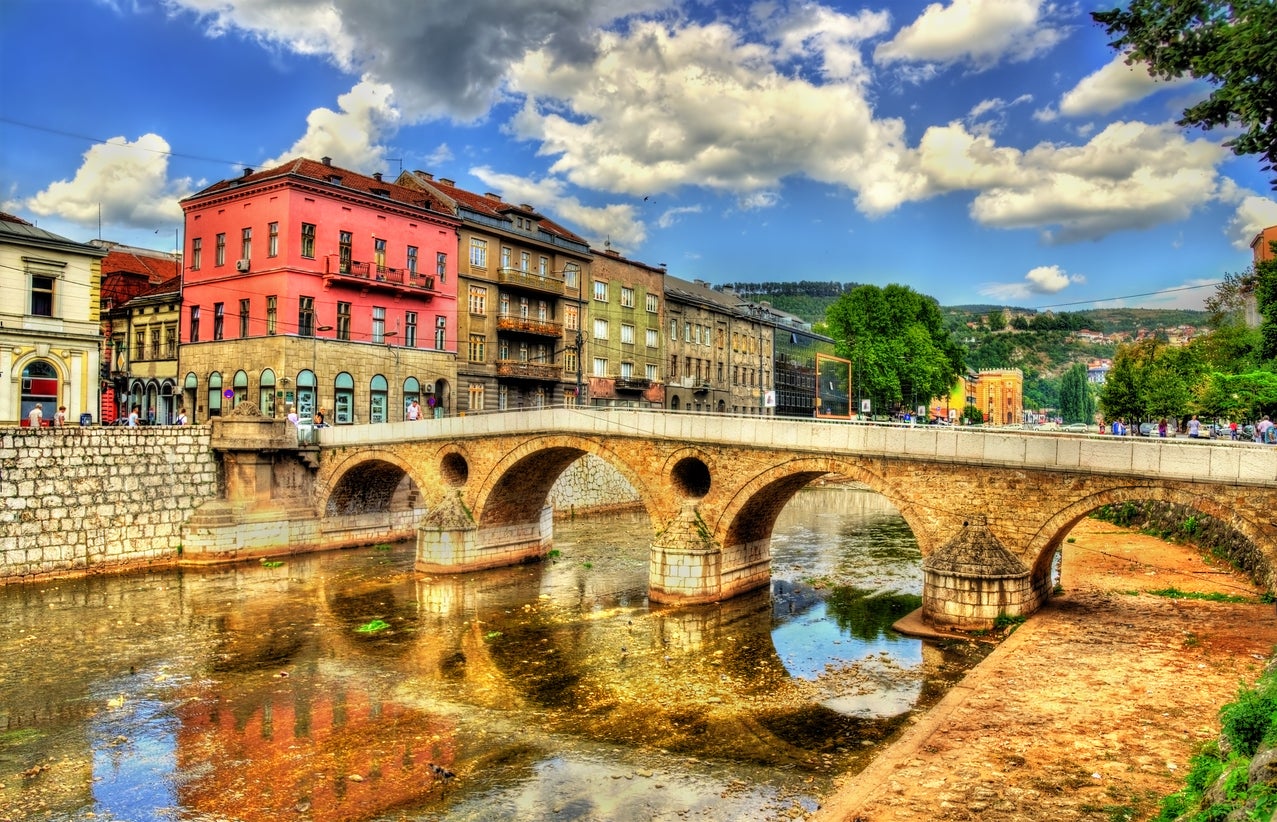
Stand where Franz Ferdinand was assassinated
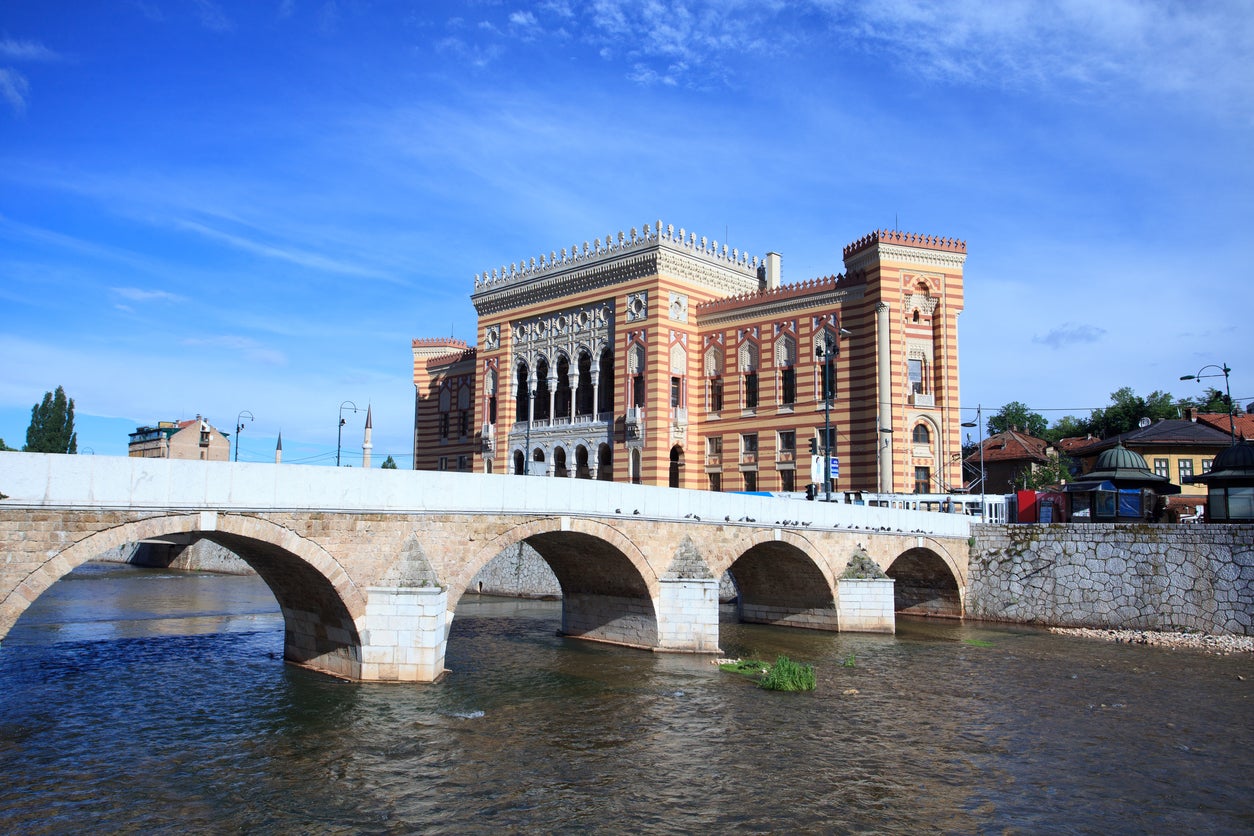
The edge of the Latin bridge over the Miljacka River is the site of the Archduke’s assassination, an event that was a catalyst for the start of the First World War. There's a small plaque on the Ottoman-style bridge indicating the bold role it played in history.
Party like it’s 1979
Kino Bosna is an abandoned theatre turned Monday night hotspot where pensioners, millennials and in-the-know tourists go to sip Bosnian brandy while serenaded by folk musicians. The bar swirls with cigarette smoke and homebrew rakija flows from recycled soda bottles. It feels like being at the best wedding ever.
Where to stay
Hotel Europe is for those who want old-world nostalgia and modern amenities. The newly updated hotel, just minutes from the old and new town, houses an indoor pool and spa. Doubles from 208 BAM (£90), B&B.
City Boutique Hotel is a modern, non-smoking, alcohol-free retreat, and also the first hotel in the city to serve halal meat. Rooms overlook the old town, and there's an abundance of fresh fruits and veggies as part of the complimentary breakfast. Doubles from 170 BAM (£76), B&B.
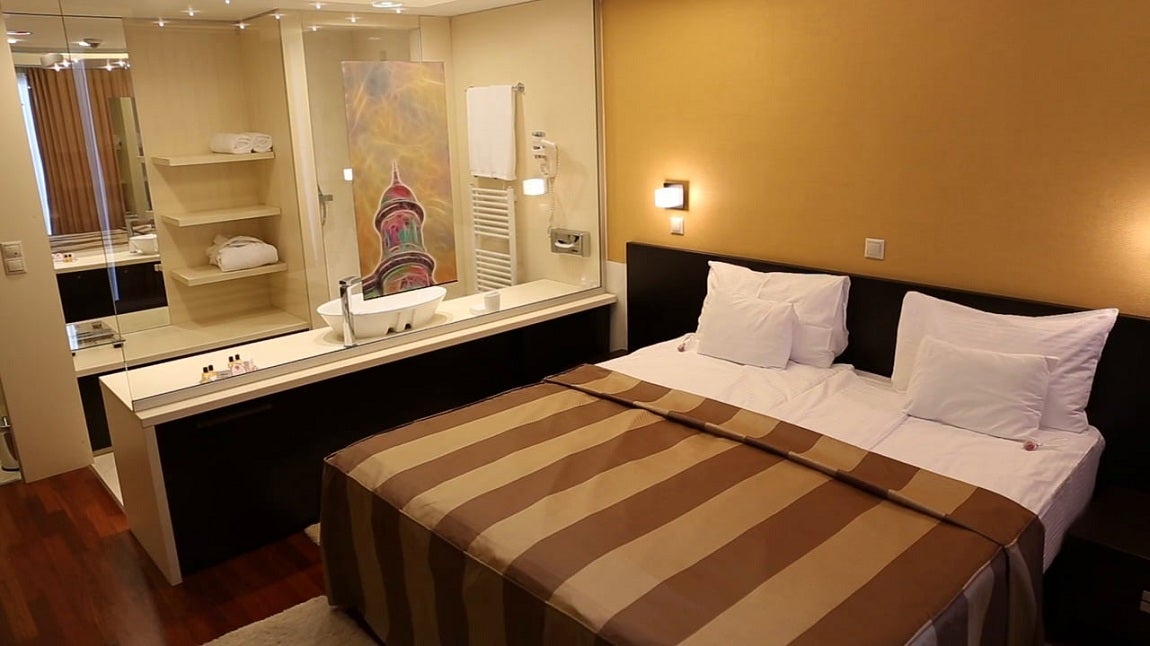
Hotel Bosnia near the city centre has an unassuming exterior, but surprises with sleek and modern rooms for the budget-conscious traveller. Doubles from 150 BAM (£68), B&B.
Where to eat
Breakfast
Talks and Giggles is the place for sweet muffins, American-style pancakes and cafe staples. This is the closest you’ll get to a classic brunch experience in Sarajevo. The highly styled food and brightly painted interior transform a quick meal into an Instagram-worthy affair.
Closed Sundays.
Lunch
In Sarajevo, burek (savoury pastry stuffed with meat, cheese or spinach) is as important as the croissant is in Paris. Bite into one for breakfast, lunch or dinner at Sač (Bravadžiluk mali 2) in the Baščaršija. The casual joint takes its name from the traditional metal cooking dome used in coal ovens, and the resulting burek is slightly charred, smoky and utterly delicious.
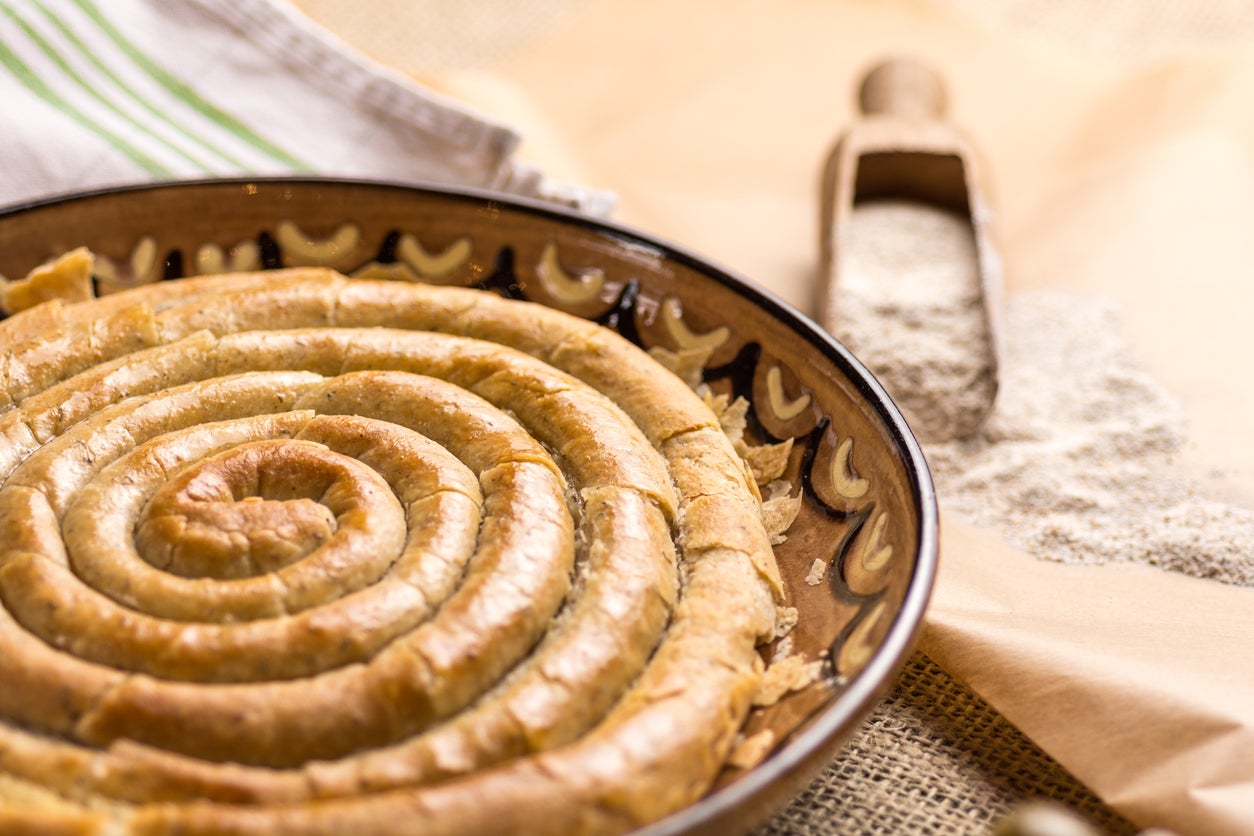
Karuzo is a haven for vegans and vegetarians in meat-loving Bosnia. The restaurant is one of the only in the city with vegetarian entrees, and also offers Croatian-inspired seafood, vegetable-stuffed pancakes and gluten free pasta dishes.
Dinner
Serving up refined Balkan cuisine in a cosy house restored to its original turn of the 20th-century grandeur is 4 Sobe Gospođe Safije (The Four Rooms of Mrs Safija). It was built in 1910 by an Austrian count for his Bosnian lover – a relationship that was forbidden at the time. The charming hideaway boasts an upscale menu and panoramic views of Sarajevo. Choose from expertly prepared dishes including lamb, veal or sea bass alongside the city’s most extensive wine list.
From the outside, Avlija looks like it could be a grandmother's cottage sitting on the hills just outside the city. The inside is greenhouse chic with walls covered in hanging plants. Tourists can eat shoulder-to-shoulder with locals of all ages here; try the traditional polenta, or dig into one of the many pasta dishes.
Where to drink
In Sarajevo, coffee is the most important ritual of the day and is meant to be slowly savoured with friends. Learn how to properly drink the strong Bosnian brew at the Ministry of Ćejf!. The cheery shop on the edge of the Baščaršija also offers espresso, cappuccino and Australian flat whites. If coffee isn't your cup of tea, try salep. Originally from Turkey, it's made of hot milk flavoured with ground orchids and cinnamon.
Alternatively, Espresso Lab is an industrial-style coffee shop offering hot and iced drinks. It's one of the few non-smoking cafes in the city.
Zlatna Ribica is a throwback to another century, decorated with kitsch antiques and menus handwritten on old playing cards. Spend an evening sipping rakija and cocktails alongside Sarajevo's hippest residents, young and old.
Craft beer is just getting going in Bosnia and Herzegovina, and Sarajevo's The Brew Pub is leading the way with experimental and classic varieties. Grab a seat at the bar for a boisterous night chatting with locals or getting to know more about each brew – the bartender is more than happy to explain the process.
Where to shop
In the old town, find sparkling gold and filigree jewellery along the centuries' old Husrev Bey’s Street. Just around the corner, Ćurčiluk Street is full of shops overflowing with handmade carpets and traditional Bosnian wares.
For international brands, the gleaming Sarajevo city centre and Alta Mall in the Marijin Dvor neighbourhood are the best bets.
Architectural highlight
City Hall (Vijećnica) is a candy-colour gem that looks like the backdrop in a Wes Anderson film. Originally constructed by the Austro-Hungarian Empire, it was destroyed by Serbian forces in 1992. The restored pseudo-Moorish marvel functions as a government building, museum and event space.
Open daily; entry 10 BAM (£4.50)
Nuts and bolts
What currency do I need?
Bosnian Convertible Marka (BAM).
What language do they speak?
Bosnian
Should I tip?
While tipping isn't expected, 10 per cent is appreciated.
What’s the time difference?
Sarajevo is one hour ahead of the UK. The journey time is four to five hours via a connecting flight.
Public transport
Sarajevo’s compact centre is eminently walkable, but there are also trams, trolleybuses and buses for getting around. The city boasts some of Europe’s cheapest taxi fares.
Best view
Climb to the top of the Yellow Bastion ruins for fiery sunset views overlooking the old town.
Insider tip
Visit in August to catch the internationally acclaimed Sarajevo Film Festival.
Join our commenting forum
Join thought-provoking conversations, follow other Independent readers and see their replies
Comments
Bookmark popover
Removed from bookmarks