Simon Calder: Tragic failings aboard Costa's 'temple of fun'
The man who pays his way
The mariners of Lisbon, Bergen and Leith might heckle, but the European city with the proudest maritime heritage is surely Genoa. The Italian port has, indisputably, the finest setting: from any point in the amphitheatre of hills at the heart of the Riviera, the focus is the harbour from which Columbus ventured in search of destinations unknown.
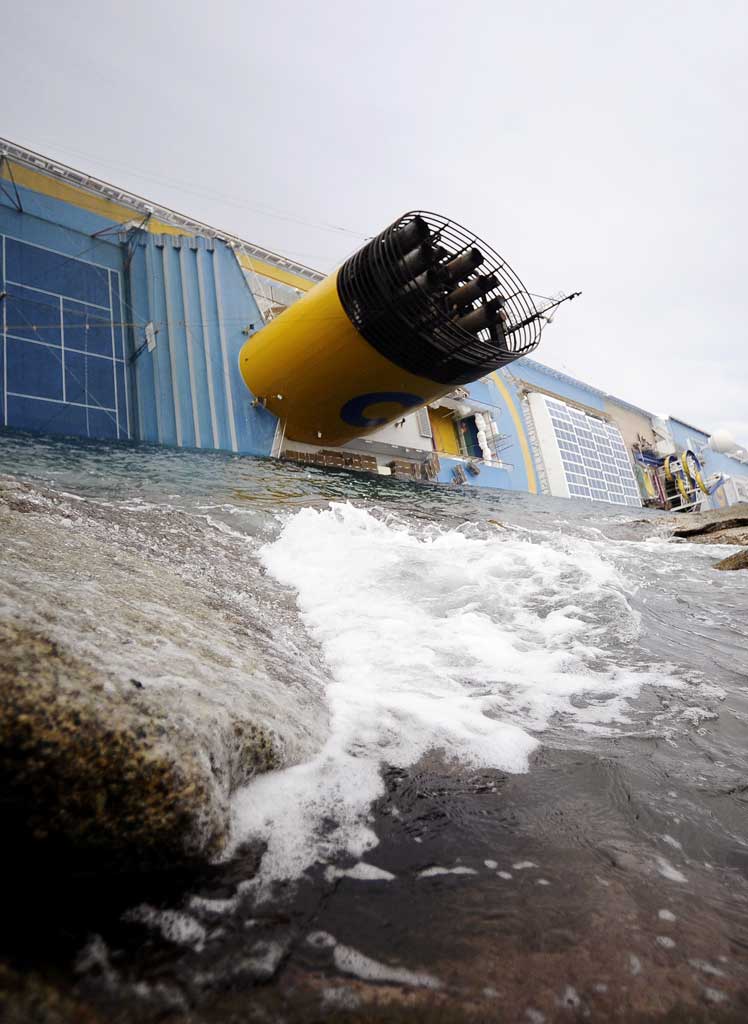
Genoa is also the home of Costa Cruises, owner of the vessel it described until last weekend as "a floating temple of fun". Costa Concordia now lies wrecked – along with lives and reputations – beside a beautiful Tuscan island, her hulk a testament to incompetence and cowardice.
The Master who guided his vessel recklessly close to Giglio, then fled as passengers and crew were drowning has, rightly, been vilified. The radio exchanges between the coastguard and Captain Francesco Schettino, on the night the temple of fun became a watery grave, were profoundly shocking. But so too is the attitude of the biggest cruise company in Europe. Costa Cruises is part of the giant Carnival organisation – and larger than its two British sister lines, P&O and Cunard, combined.
While the crew of Concordia, the islanders of Giglio, and the Italian authorities all performed heroically to rescue and care for the survivors, Costa Cruises was busy apportioning blame. Within 48 hours of a bungled evacuation in which raw courage saved many souls, Costa issued a statement that sought to pin the blame on Captain Schettino, and concluded: "In light of these accusations and the continuing investigation, it would be inappropriate for us to comment further at this time."
The corporate view seems to be: "It's all the captain's fault. So, move along now, nothing to see."
Unhelpfully for Costa Cruises, naming and shaming the wretched man (who the company recruited, trained and promoted) is not enough. Some fundamental issues must be explained before confidence in these giant ships returns.
First, what kind of corporate culture allows a captain apparently routinely to guide his ship so close to land without being challenged by fellow officers? Talking to British mariners, the rule of thumb is to remain at least two miles from any headland, even if the charts show depths of hundreds of feet.
How many more "rogue captains" are out there? I trust Costa, and other cruise lines, are busy analysing records of previous voyages to detect and investigate any previous deviations from the assigned course.
Next, why was the evacuation so tragically botched? Some in the cruise industry have sought to depict the rescue as some kind of triumph, with 4,200 people saved (largely due to many remarkably brave crew and passengers). But for so many lives to have been lost in benign waters close to land is a tragic reflection of failed planning.
One reason appears to be that many of the passengers had not undergone a drill. The problem with "floating temples of fun" is this: while all the crew know the layout like the back of their seafaring hands, newly arrived passengers are as uncertain about the way to their muster station as they are to the spa or the swimming pool. Tom and Katy Pargeter, who sailed on Concordia's nine-day Christmas cruise, told me that their lifeboat drill was scheduled for day eight.
"On embarkation, we were given a very brief talk on the subject, with a PowerPoint display, and told we wouldn't have to do a drill at all, as if that was a great advantage!" Costa assures passengers: "A lifeboat and evacuation drill for all guests is conducted within 24 hours of embarking."
They can't both be right. The rituals in the temple of fun demand further investigation.
Too big to sail?
The cruise business relies on 100 per cent occupancy, not least because most lines use passengers' tips to pay a chunk of the wage bill. Therefore, cruise firms are desperate for passengers to continue to book. But the elephant in the room (or, to use the 2012 variant, "the stricken liner in the bay") is the industry's relentless quest to build ever-larger ships.
The Passenger Shipping Association, which represents UK cruise lines and ferry operators, sought to reassure prospective passengers by describing the loss of the Costa Concordia as "unprecedented". In fact, ships run aground frequently. The only novel aspect of this tragedy was the scale of the vessel involved.
Is a ship that is designed to carry more people than live in San Gimignano a triumph of imagination and engineering or a disaster waiting to happen?
Until that question is answered adequately, travellers seeking to explore the majestic ports of the Mediterranean may opt for trains or planes.
travel@independent.co.uk
Join our commenting forum
Join thought-provoking conversations, follow other Independent readers and see their replies
Comments