Debt rising, jobs stagnating: should the young think twice before attending university?
As every year goes by it's getting harder to justify that degree
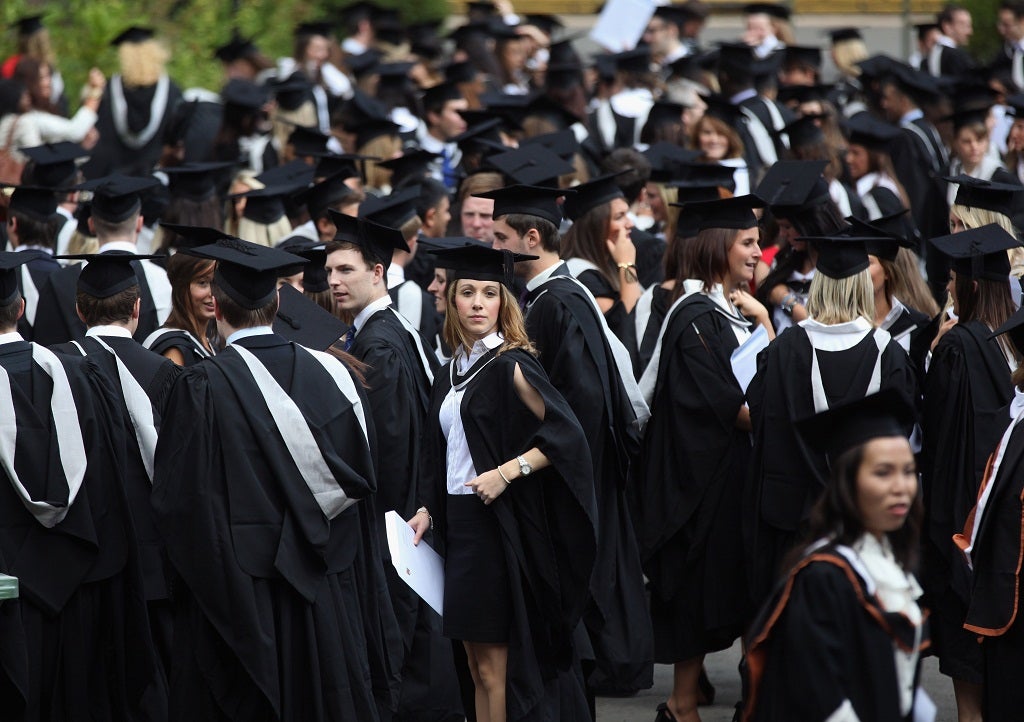
Is all that debt worth it? For years we’ve been told that going to university has several advantages. A chance to mix with an eclectic bunch of people, escape the real world for three years, and the best social life you’re ever likely to have. As well as the dull stuff, like doing some work and getting a degree. Then there’s the financial rewards. As a graduate you’ll earn an above average wage. Opportunities will fall into your lap. You’ll stand out from the crowd.
Except rather than standing out, graduates are now finding themselves swallowed up. A major study out last week revealed that the pulling power of recent graduates has significantly declined. 40% of graduates from the 2006 cohort were still in non-graduate jobs two years after leaving university, and as of November last year, took home wages 22% less than those from the class of 1999.
The fact that there are now so many people doing comparable degrees at universities of similar quality means we are now in the era of what one might call “the squeezed graduate.” It is employers who are reaping the benefits. They can afford to be unbelievably fussy and make ever more outlandish demands from potential future workers.
This is before we even get in to the debt issue. 96% of the 17,000 tracked in this study expressed few regrets in going to university. However, compared to their peers a decade earlier, they were saddled with an average debt burden of £16,000, or 60% higher than those in 1999.
The increase in debt is something that will take more prominence with each year that passes. Even the £3,000 a year students may start to look fondly on their relatively small levels of debt when compared to those who have just started university - and are staring at debt levels of £27,000, just for tuition.
Which begs the question, if debt is exploding, salaries falling, and the job at the end of it more or less in line with what everyone else is doing: should young people now think twice before going to university? It’s a valid question which deserves serious consideration. Long gone are the days when students could roll up at university, doss around for three years, and then furiously cram in the final term and come out with a 2:1 arts degree. They’ll be in the same position as many of their peers, competing for the same small pool of jobs.
Despite all the extra investment in higher education - with more students attending university than ever before - two crucial points need addressing. The first concerns employers. We may have more graduates but bosses remain unimpressed with what greets them. Studies find British university leavers ill equipped to start work, with a majority of employers complaining at having to provide remedial training. Three out of four of the country’s top businesses believe graduate skills to be poor. Narrow focus on academic skills and exams has led to a generation of graduates struggling to keep up, hence why many businesses have switched to recruiting foreign talent.
Secondly, whilst the hike in tuition fees to £9,000 a year generated endless debate, very little of it dealt with the quality question. What are students, or customers, to use new university-speak, going to be getting in return for this huge outlay? Will teaching, a focus for a rise in complaints, become more rigorous? In fact, before we even get into this, will the number of hours a week a student in History, for example, rise from six or seven, as is common at many institutions?
There’s no doubt in my mind that the nature of getting a degree, and the whole university experience, is going to look rather different ten or fifteen years from now. Lord Mandelson’s call for the two-year degree may become a reality. The cost of higher education may eventually put people off for good, especially if work stats for graduates don’t improve. Researchers from Warwick University warn that the slide in graduate wages will be irreversible, and not merely the result of the prolonged global downturn.
Taking all of this into account, it wouldn’t be surprising if more and more school leavers bypass university and head straight into work. After all, they’ll be three years of work experience up on graduates staring at debt in excess of £30,000. The choice may soon be an obvious one.
Join our commenting forum
Join thought-provoking conversations, follow other Independent readers and see their replies
Comments
Bookmark popover
Removed from bookmarks