Let more women report how the country is run
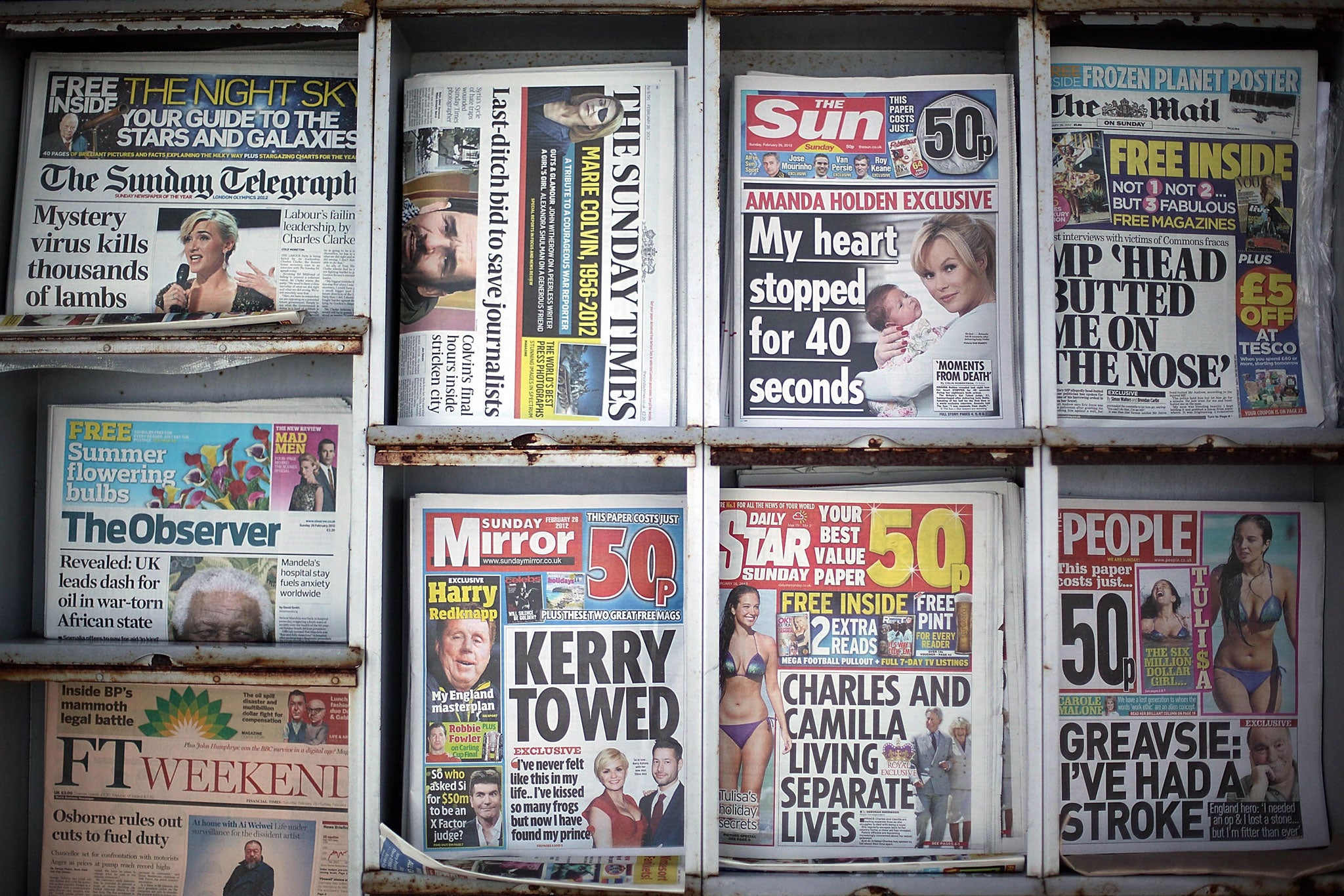
The fact that all the national papers have male political editors, and many have all-male political teams, is bound to affect the issues they cover and the politicians they rate

Sign up for the View from Westminster email for expert analysis straight to your inbox
Get our free View from Westminster email
On Tuesday evening, a rare gaggle of political women met for drinks in a room in the House of Commons. It wasn’t that big a room, but it didn’t need to be. It only had to house the female members of the parliamentary lobby and a bunch of women Labour MPs.
There aren’t that many of either. Women comprise just over one in five national political journalists – almost exactly the same percentage as for women MPs. No wonder every single questioner at the Cameron/Clegg press conference last week was male; there were barely any women in the room.
When I go to these press conferences, I make a point of putting my hand up, if only to break the male monopoly of Nick Robinson/Tom Bradby/Adam Boulton/Gary Gibbon and so on. But this isn’t just a question of fairness and equal opportunities – the paucity of women covering politics affects the way the country is run and the way politics is seen by the outside world.
The fact that all the national daily papers have male political editors, that the same is true of the broadcasters, that The Independent and the Daily Mirror have all-male political teams, that the main political websites have not a single lobby-accredited woman, and that magazines have just one between them, is bound to affect the stories they cover, the politicians they rate and the judgements they make about who and what is important.
Missing input
Fiona Mactaggart, an admirably tenacious Labour MP, conducted a survey after the first 1,000 days of a Labour government to discover what difference the influx of women MPs at the 1997 election had made. She was most struck by evidence from the clerk of the Defence Select Committee. He said that they had never before had a woman member, but now, “instead of talking about how big the bombs are, we talk about the wives and children of soldiers”. Given how much soldiers worry about their families’ welfare, this isn’t soft or fluffy; it’s critical to how well they do their jobs.
“Men don’t automatically get it,” Mactaggart told me. “They can learn it but it’s always a bit like a second language to them. Women know it because it’s our lives.” She cites another example. She was sitting in Transport Questions, which were scheduled just before Questions on Women and Equality. She stood up and asked about safety for women at train stations, but was barracked by men saying she should have waited for the next set of questions.
It’s bad enough if the male-dominated chamber thinks that safety at stations has nothing to do with transport. When their words are filtered and echoed by the male-dominated parliamentary lobby, though, that is also the message delivered to the outside world. It took years of campaigning for childcare to be seen as a mainstream political issue rather than a private matter for parents. That was because politicians didn’t think it was important and nor did political editors. They were, on the whole, workaholic men with wives at home.
Male political journalists bond better, on the whole, with other men, so their best contacts are male. They play golf together; they talk football; they booze in the Commons bars. While female journalists have contacts of both sexes, male journalists are less likely to bother with the female politicians.
They tend to rate other men more highly than they do women; it’s in their nature. I experienced this last week, when I spent an hour as a guest on BBC Two’s Daily Politics with another journalist, Danny Finkelstein. I had the uncomfortable feeling all the way through that I was being forced to play second fiddle, but it wasn’t till I watched the programme back on iPlayer that I realised why. The presenter, Andrew Neil, had gone to Danny first with every single question and had often given him, but not me, the chance of a follow-up. Now Danny is an excellent journalist, whom I admire and like a lot, but still...
Testosterone
Why do so few women make it to the top in political reporting? For a start, it’s a very testosterone-fuelled business, which can make the atmosphere pretty unattractive. Most important, though, there is still a problem with parliamentary hours. MPs with children just have to put up with this, unless they’re Louise Mensch. But female political reporters, once they have children, can easily move to an equally senior job, such as education or health correspondent, with fewer late evenings. That way they have at least a chance of putting their child to bed.
So there is a natural attrition of women in the parliamentary lobby, which won’t stop unless the sitting hours are made more family-friendly. Until then, don’t be surprised if you’re in the slightly-more-than-half of the population that feels that politics doesn’t address the issues that matter to you in life. Don’t be surprised if you find no one in government or the newspapers is talking about how you are supposed to balance the conflicting demands of work and an ailing elderly parent in a different town. After all, it’s a second language for them.
And don’t be surprised when female politicians are derided as dim, useless and not up to the job. Just bear in mind that the people making those judgements are almost all men.
Join our commenting forum
Join thought-provoking conversations, follow other Independent readers and see their replies