Putting money straight in the pockets of Syrian refugees may be the best way to help
The British Red Cross's disaster response manager reports on the challenges facing aid agencies in and around Syria
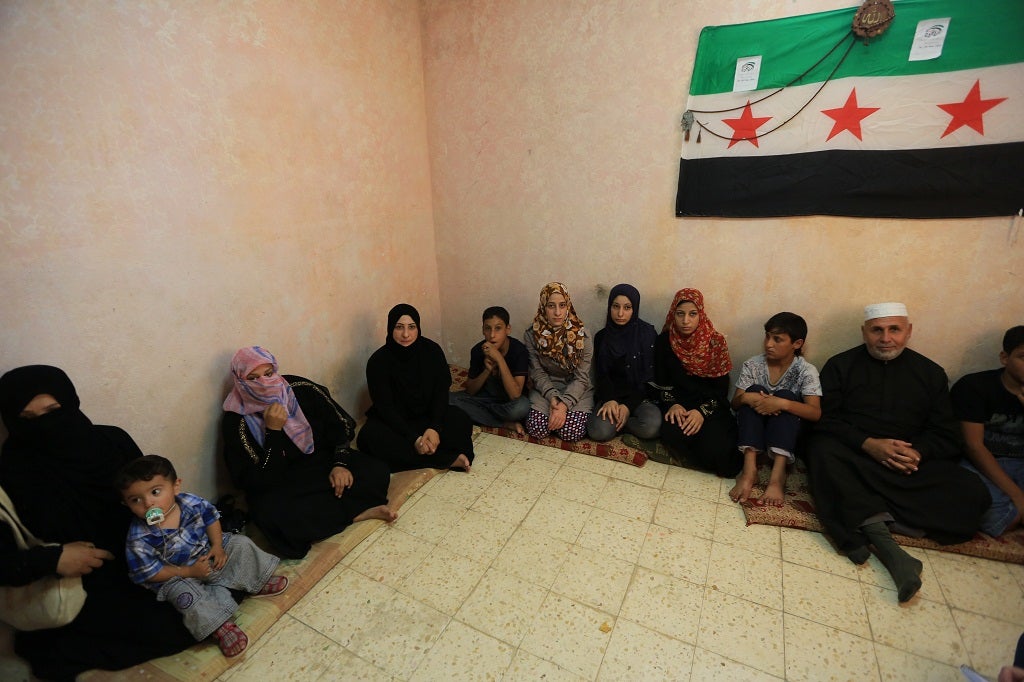
To most people, the mention of “Syrian refugees” conjures up an image of people living in tattered dwellings in some make-shift camp.
The reality is quite different. The situation for most Syrian refugees - and many other people affected by conflict across the world - has changed in recent times.
The International Federation of the Red Cross (IFRC) reports that over 70 million people around the world – more than one in every 100 of the world’s citizens - are “‘forced migrants”’. They are displaced by violence, political upheaval and natural disasters; and according to the IFRC’s World Disaster Report, they are increasingly fleeing to towns and cities - not camps.
In fact, less than one fifth of Syrian refugees in Jordan are living in official refugee camps. Instead, it is not uncommon to find three or four families sharing one bedroom residence in northern cities, like Mafraq, and relying on their own dwindling resources.
The difficulties that face these refugees in urban areas in Jordan revolve around all too familiar practicalities. Top of the list is paying the rent, which refugees consistently identified to one of my British Red Cross colleagues as the overwhelming priority.
Some have stories of that famous middle-eastern hospitality, being welcomed after their harrowing cross-border journey. But perhaps more common is the cold reality of market economics; with high demand and a limited supply of affordable houses throughout Jordan's cities, prices for a place to stay are up by 50-100% from pre-crisis levels.
Refugees also identify sourcing enough fresh food, children’s schooling, medicine, and preparing for winter as their priorities.
Most fled the fighting carrying very few possessions; and many find it hugely discomforting and embarrassing to ask for the most of basic necessities like clothes, yet there are few alternatives.
So how can aid workers engage meaningfully with refugees dispersed in urban settings?
Agencies are increasingly concluding that the most effective way of addressing the needs of these refugees is to transfer a cash donation to them and let them use that to purchase whatever it is that they need. All the day to day necessities are generally available in the urban settings, at a price.
This approach is often met with scepticism. But as the Red Cross’ report notes, evidence of insecurity, corruption or inflation is rare: control mechanisms have worked and market prices haven’t risen significantly.
People who have few other resources at their disposal use the money wisely to meet a variety of their needs - and furthermore, they do so with some dignity as how they spend the money is their decision, not one handed to them from above.
For many humanitarian agencies however, a further obstacle is actually finding refugees, who may be dispersed throughout Jordan’s urban environments.
The Jordanian Red Crescent Society, a branch of the International Red Cross, appears to have bucked this trend.
The Syrian refugees coming over the border are familiar with the services of the Syrian Red Crescent back home, and many are actively seeking out the volunteers from the sister Red Crescent national society when they cross over into Jordan. The branches of the Jordanian Red Crescent find out who incoming Syrian refugees are through landlords, community leaders, and outreach work - and can quickly link up with them.
As winter approaches, the Jordanian Red Crescent and other aid agencies will be stepping up efforts to overcome the challenges in reaching the more hidden groups of people.
What is clear is that the nature and consequences of ‘forced migration’ are changing. Aid agencies and their donors must rethink their approaches in order to remain able to assist to the people they are trying to help.
Barry Armstrong is the British Red Cross's Disaster Response Manager
The British Red Cross is running an appeal for Syria and the region. To donate to the Syria Crisis Appeal go to redcross.org.uk/syriacrisis or call 0845 054 7206
Join our commenting forum
Join thought-provoking conversations, follow other Independent readers and see their replies
Comments