Rape anonymity and the myth of false accusations
Naomi Wolf’s attacks on the principle of anonymity for rape victims have come at a very ironic time: in the age of the internet, the principle is already becoming a theoretical one in practice anyway.
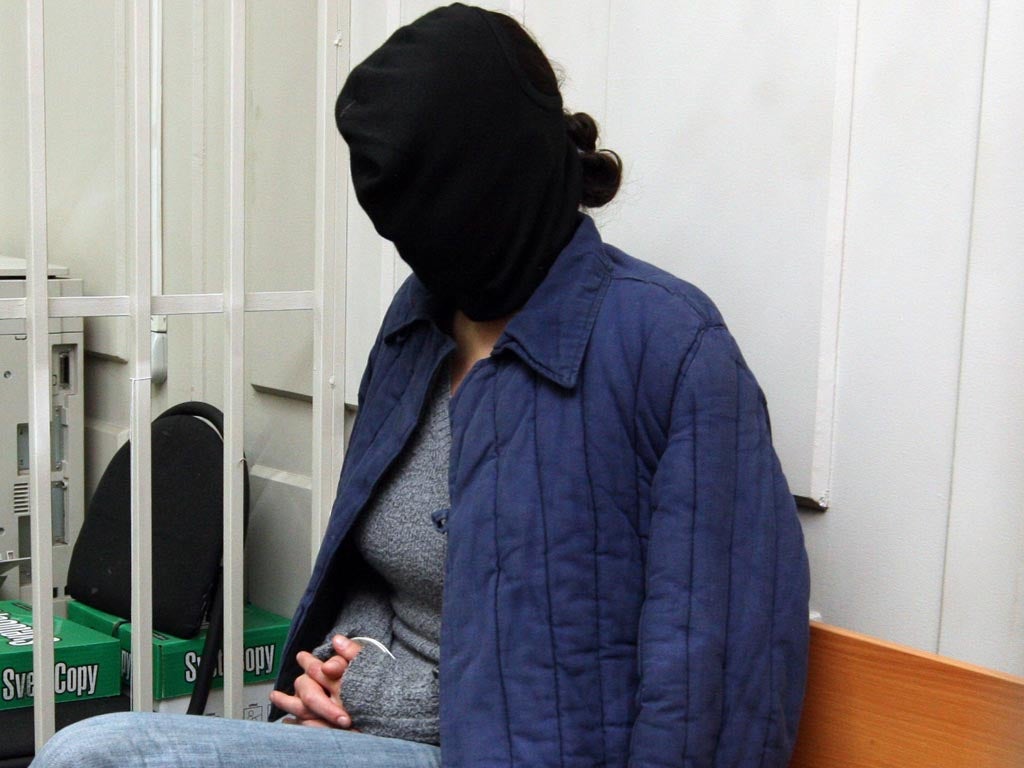
Of course you have a right to legal retribution if your anonymity is violated but when a search for your name in Google brings up results like ‘Slut of the Year’, then what consolation is it?
Wolf’s reasoning for removing the right to anonymity, as she explained in a live chat with Mumsnet, is that granting anonymity to the victim implies it is he or she who has something to feel shame over, not the rapist. That’s fair. Indeed, being able to stand up say ‘stop’ with your own voice can be a powerful thing. Dominique Strauss-Kahn’s accuser waived her right to anonymity so she could do just that.
But Wolf’s solution seems to assume you can create the world you’d like to see by acting as if you already live in it. Nafissatou Diallo didn’t waive her right to anonymity in the Strauss-Khan case because anonymity itself was making the case difficult for her. Diallo had already been named in the French press. She says she had to give up her anonymity in order to adequately defend herself against counter-accusations and gossip. It’s that process of putting the alleged victim on trial, often for things which are irrelevant to the incident in question, which need fixing to end the shaming of victims, not the right to anonymity.
The principle of anonymity is not unlike the principle of witness protection programmes; sometimes crime victims have well-founded fears for their own safety if they speak up. When angry Ched Evans fans heard about his rape conviction and decided to name his victim on Twitter - calling her names, making nasty threats and, ironically, making unsubstantiated allegations about her – it is not clear how removing her right to anonymity, so they could attack her with impunity, would have helped. The bullying rape apologists have one simple tactic: shame survivors into silence. It’s ugly, it’s extremely common, and all too often, it works.
Retractions and withdrawals of allegations happen frequently. Some take this as is proof that the original accusation was false but to imagine this is always, even usually, the case you really must be either naive or a wilful rape apologist. There are lots of rape victims who, if anonymity cannot be guaranteed, will simply not feel safe bringing their case forward. And that, of course, becomes truer than ever when the accused happens to be powerful, or famous. Removing the accuser’s anonymity won’t help. But perhaps the time has come for us to discuss the merits of keeping the identity of the accused confidential, too?
The implications of such a proposal for the accused are obvious; less obvious are the implications for the alleged victim. If the accused is well-liked and ‘respectable,’ a trial by media can actually be preferable to a trial in a courtroom. If famous people get to sling juicy but irrelevant mud from a great height until their alleged victim is no longer credible, perhaps we would be better off if their identities weren’t revealed, either?
This isn’t a popular idea. In fact, when the coalition government floated it back in 2010, it was met with such resistance that it became one of their first u-turns. But in the age of celebrity, and the internet, we need a way to stop the circus of personality from circumventing justice. During his rape trial, the Guardian reported that Ched Evans “told the jury he had 13 caps for Wales and had scored 35 goals for Sheffield United, currently second in League One, this season.” Presumably the jury ignored this fascinating piece of information. What would a newspaper do?
Perhaps the biggest worry about offering the accused anonymity is that it legitimises hysteria over false accusations. That’s understandable. According to a detailed and credible Home Office report, false accusations account for 8% of reported rapes at most; using the Home Office’s official criteria for determining if an allegation is definitely false, the figure is just 3%.
Myths about false accusations are dangerous. They facilitate victim-blaming, and justify low conviction rates. So it is important not perpetuate the myths that allow rapists to paint themselves as helpless and their victims as the ones who really hold all the power, especially when we are faced with individuals who rely not on the due process of courts, but on their reputation or power to convince us of their innocence. The whole discussion around anonymity for both parties needs to be approached with enormous caution. But there are definitely advantages to keeping everyone’s identity out of the equation. Not least, that it might end up being the best way, even the only way, of actually guaranteeing the victim’s own identity remains protected, and that victims of the actions of the powerful get access to the justice they deserve.
It should be noted that Dominic Strauss-Khan denies the allegations relating to Diallo, which were dropped in the American criminal courts. Diallo continues to claim damages through the civil courts, although Strauss-Kahn has filed a countersuit against Diallo for making damaging "baseless accusations”. Strauss-Khan has since been charged in France over his alleged involvement in a prostitution ring. He has denied the charges and said he was unaware that anyone was paid for sex. Last week his marriage to the chief editor of the French Huffington Post, Anne Sinclair, ended. Sinclair told Le Parisien that she is "in good form" since she’s been shot of him.
Join our commenting forum
Join thought-provoking conversations, follow other Independent readers and see their replies
Comments
Bookmark popover
Removed from bookmarks