The 'impact assessors' are missing the point - Let me tell you how charities really spend your money
Plus, what a crying Shane! Every true England fan must lament this disappointing lack of professionalism in Australian cricket

Sign up for the View from Westminster email for expert analysis straight to your inbox
Get our free View from Westminster email
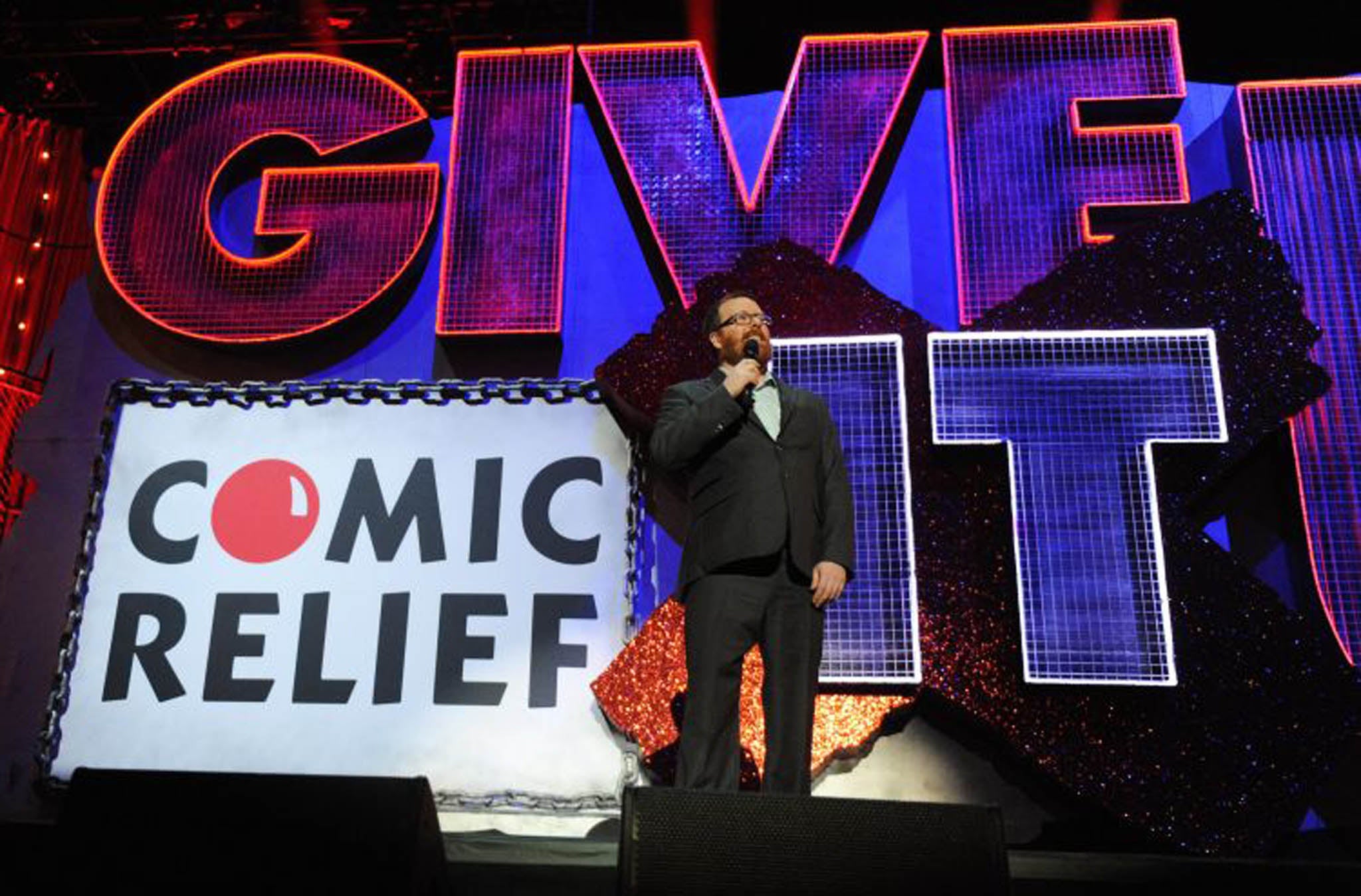
No annual television jamboree is spared the scrutiny of some bunch of consultants these days, and tonight’s Comic Relief is no exception. In keeping with this tradition, New Philanthropy Capital (NPC), a group devoted to making charities more effective, has published a survey of 3,000 people to gauge our giving habits. There are two headlines from it: first, Scots give more per head than the English; and, second, British charities are missing out on £665m in donations every year, for reasons we’ll get into. The former is a slap in the face for southern comedians who love laying into stingy Scots. The latter is a slap in the face for most people who work in the charity sector.
Dan Corry, chief executive of the NPC, said: “The figures in the report are striking. If charities improved the way they communicate impact and explain how donations are used, they could potentially attract around £665m more in donations. And, equally important, donations might flow to better places.”
You would be hard pushed to find two sentences better crafted to annoy the hell out of people who toil, tirelessly and thanklessly, in the charity sector. Most of them spend a huge chunk of their lives filling in application forms, trotting out over-familiar phrases about where donations go. To imply that these people don’t communicate with sufficient clarity and oomph either ignores their efforts on that score, or accepts them and insults them. Both are offensive.
Naturally, few people would make donations without knowing they’d be able to see where their money went, and what it achieved. Yet the point about “impact”, that dreaded word, is that it’s exceptionally hard to measure. The evidence is often impossible to produce. That doesn't mean the work is worthless.
For instance, a charity that I am trustee of in Islington called Prospex, which is permanently desperate for funds, works with extremely poor and vulnerable young people. There are some tangible things that we do – literacy classes, building community gardens and such like. But the vast bulk of the work is done by street workers who depend on soft power, who build emotional bonds with young people surrounded by drugs, gangs, and crime.
It’s true that you can put metrics on some of that stuff: fewer knives, less drug use, and so on. You can’t, however, put metrics on the hours spent in courtrooms, the phone calls made to parents who are off the rails, the kind word in the ear of a potential employer, the dreary afternoons in a lost soul’s living room. This is the stuff of charity. All of it has “impact”, in the jargon; but I’m afraid that despite the best efforts of consultants through the ages, you can’t put a price on love.
What a crying Shane
Barely a decade ago, the misery of every England cricket fan as we lost the Ashes was tempered by the sight of the greatest player in modern cricket – the overweight, peroxide blond Shane Warne. This week, a similarly named, proportioned and hair-styled Australian hit the headlines for less venerable reasons. Shane Watson was one of four leading players dropped by his country after refusing to do a homework task set by his coach.
Warne got into trouble a few times, but for reasons like having sex on a car bonnet or mixing with gamblers. The idea of his being dropped for not doing his homework was unthinkable. The journey from one Shane to the other – from intense professionalism to the cult of the amateur – sums up where cricket has gone wrong. True England fans will join in the lament.
Join our commenting forum
Join thought-provoking conversations, follow other Independent readers and see their replies