Adrian Hamilton: Why didn't we ask Diamond the right questions?
What the committee should have concentrated on was the years before the financial crisis when bank dealers distorted borrowing rates for the sake of personal gain
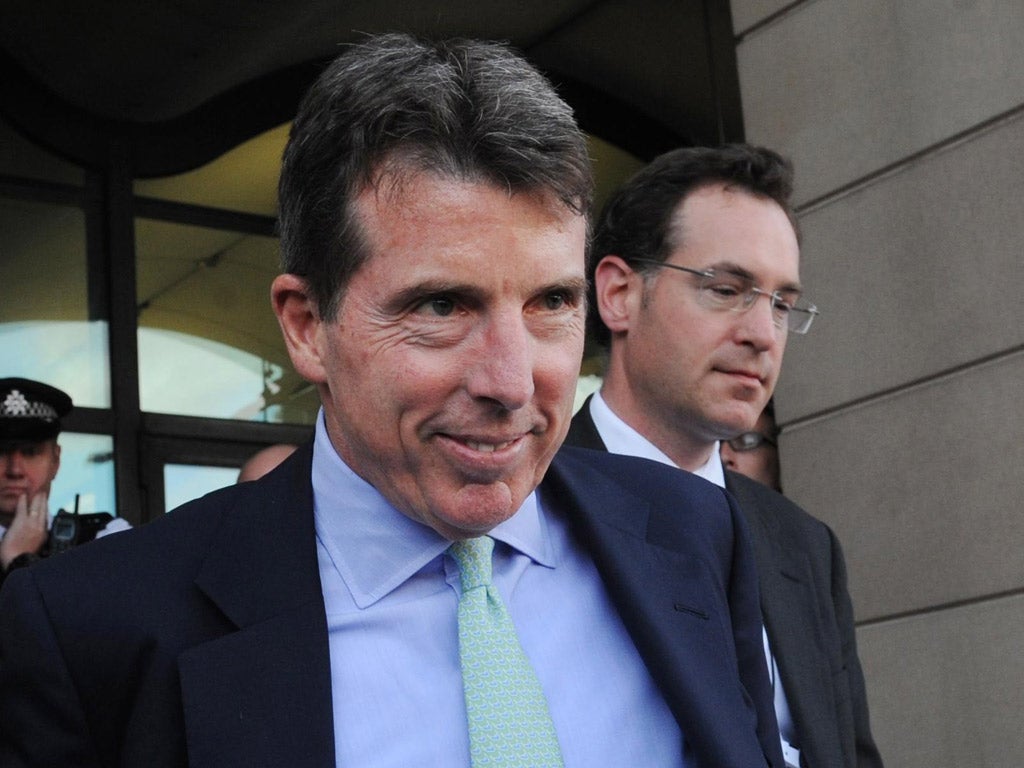
No one seriously believes that the parliamentary inquiry voted for by the Commons yesterday is adequate to the task of investigating the scandals in the City. You need only have listened to the questioning by the Commons Treasury Committee of the hounded out Barclays boss, Bob Diamond, to know that. A political investigation is just the most convenient means of getting the Government off the hook of public anger over a scandal. But then that's usually the case with inquiries of any political sort.
The oddity in this debate was the Opposition demand that it should be a judicial inquiry. What's so great about judges? The idea that they are somehow the arbiters of truth in highly politicised furores like this one is just nonsense. Look at the Leveson Inquiry. Investigating the criminal misdeeds of phone hacking is fine. When it comes to relations between the media and politicians and the competitive state of newspapers and new media, Lord Justice Leveson and his QC appear to be floundering.
So with the Libor case. The Treasury Committee has been roundly abused – and rightly so – for failing to pinion Bob Diamond to the wall and cause him to admit all. But their fault was not in the lack of forensic questioning. On other reports on policy and expenditure, they've been very good. Their mistake was to act as politicians and to go for what, to them, was the main story – that is, the culpability of the Bank of England and ministers in encouraging Barclays to fudge the figures during the finanical meltdown.
Hopes that Bob Diamond would dish the dirt on the Bank of England for forcing him out were illusory. He plans to stay on in the financial world. You don't do that by making an enemy of the chief regulator.
No, what the committee should have concentrated on was the years before the financial crisis when bank dealers distorted borrowing rates for the sake of personal gain. We don't need a judge to find out what they did. The US regulators have done that in a detail that no judicial inquiry could hope to emulate.
What we do need to find out is why it took the US Commodities Exchange to take up this case in the first place rather than the authorities in London, where the Libor rate is fixed and where the main fraud appears to have been perpetrated.
The one thing that the questioning of Bob Diamond did throw up was the huge disparity that exists between how bankers see themselves and how the outside world views their business. To Diamond, the malfeasance of the Libor dealers was reprehensible but tight control of their activities was unnecessary because the market – until the financial crisis – was relatively risk-free. In other words, his attitude to supervision was one of assessing the exposure of the bank, not one of ensuring a fair market for the good of finance and the community.
To the outside world, it is a total surprise that a market that can set the rates for trillions of dollars could be carried out on the basis not of actual deals but the self-reported perceived rates of the main participants. It's not what they thought markets were about or what they believe bankers should be doing.
The Libor scandal raises urgent, and complex, questions of regulation. How do you make markets such as Libor transparent and fair. We need an inquiry of poachers turned gamekeepers to tackle those issues. But we also need an inquiry that tries to bridge the chasm of understanding that now exists between banking and the public.
And for that we need people who can ask straightforward questions – not judges intent on guilt or politicians determined on blame.
It may make time. But if the City of London is ever to regain its reputation, it must regain our trust.
England's loss, Scotland's gain?
The one person who should be dancing with joy at David Cameron's sudden avowal of a referendum on Europe is the leader of the Scottish nationalists, Alex Salmond.
Just think of the benefits that an English withdrawal from Europe would bring to an independent Scotland which remained a member.
City bankers, lawyers and accountants would migrate easily to an Edinburgh with a tradition (and less sullied reputation) of finance. Companies would move their headquarters and plants to Glasgow, where there are skills and a history of manufacture. As a North Sea producer of oil and gas, Scotland could have an influence in Europe which the bigger United Kingdom lost by producing most of its resources when prices were lowest and started to run out as they soared.
Salmond is far too shrewd a politician not to see the advantage of beating the drum of Scotland's European credentials and spreading the thought that London can no longer be trusted to keep the United Kingdom part of it.
Join our commenting forum
Join thought-provoking conversations, follow other Independent readers and see their replies
Comments
Bookmark popover
Removed from bookmarks