Brian Cathcart: The killing of Stephen Lawrence ended Britain's denial about racism
An emotional connection was made that meant white people saw past skin colour
Even after 18 years, the question of who killed Stephen Lawrence matters. It matters because murderers should always be called to account. It matters because the Metropolitan Police, although they can never put right what went wrong in 1993, need and want to atone. It matters because the Lawrences, who have endured so much, deserve to see justice done.
But this case did not gain its hold on modern Britain simply because of its status as an unsolved crime. Sadly, there are lots of those. The name of Stephen Lawrence would not be known, as it is, to millions of people who weren't even born at the time he was killed, if this was just another tragic police failure.
The case is a landmark in British life because of what it taught us about race. In small ways and in big ways, it exposed reflexes of denial and defensiveness in our society that most white people didn't even know we had. Did it end racism? Of course not, but it shifted the whole argument into new and healthier territory. It made a lasting difference.
Some of the most memorable moments of the Macpherson inquiry of 1998-99 involved the exploration of denial among police officers involved in the first, failed investigation of the murder. Again and again, in baffling terms, they insisted that Stephen's race had nothing to do with the crime.
This was at odds with the facts. Five people were waiting at the Eltham bus stop that night, but it was only the two black ones (Stephen and his friend, Duwayne Brooks) who were attacked by white youths who used the word "nigger". It was even recorded as a racial murder by the police themselves the next day, though that was no more than a formality.
"I believe that the motive for Stephen's death had nothing to do with colour," said one detective. Another declared: "Had he been black, white, green, blue or yellow, he would still have been attacked and killed." A third wondered aloud how anyone could know the motive without seeing inside the killers' heads, prompting the former police officer on the inquiry panel, Tom Cook, to ask whether, if a man went into a post office, discharged a gun and demanded money, it would be necessary to see inside his head to know that his motive was robbery.
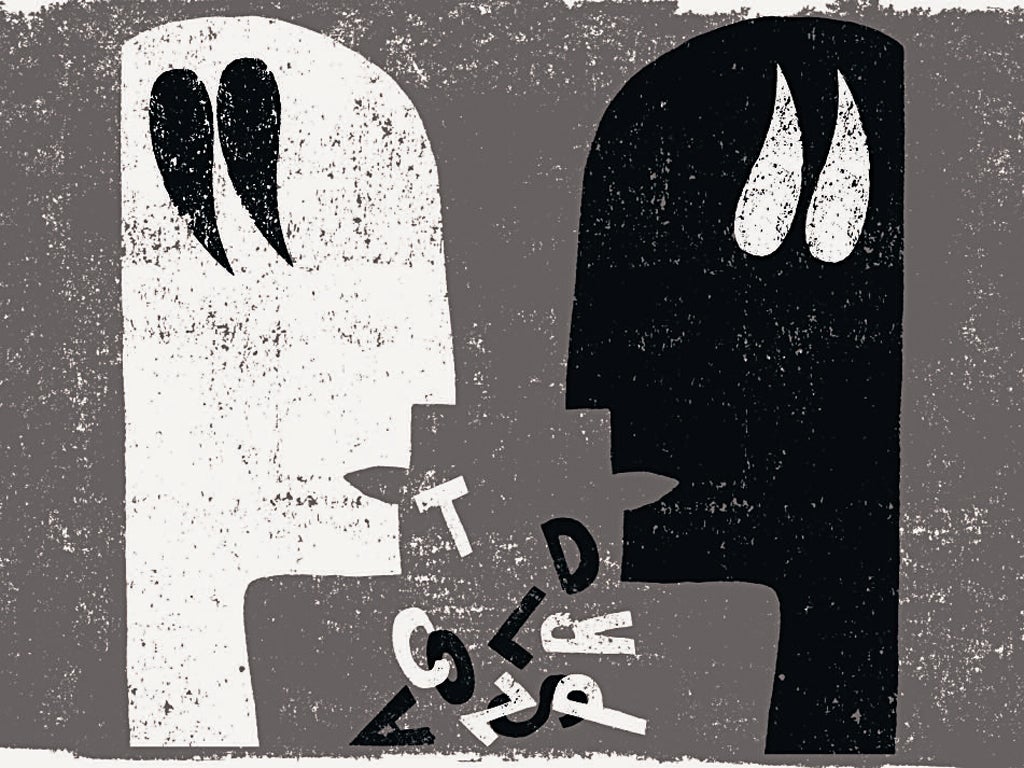
Ludicrous as it was, this denial of the race motive was a precious indicator of something much bigger. Most of white Britain - that is, most of Britain - was so deeply uncomfortable with issues of race that we tended to pull down the shutters at the very mention of the word.
If that seems sweeping and unfair, the Lawrence case brought out too many other instances of this reflex to be ignored. On the day after the murder, rumours swept south-east London that this was a gang killing, that Stephen and Duwayne had provoked their attackers in some way, that there was a dispute over a girl, or over drugs. There was not a shred of evidence to support these stories, indeed they can be proved false, so why did they circulate?
Press coverage of the case in the first week or two, while it mentioned the racial motive, quickly played up public-order issues connected with black anger, while reports about the Lawrence family suggested that they were manipulated by "race activists". Reporters did not descend on the area to investigate the problem of violent racism among white youths.
Meanwhile senior police officers were developing the prickly, defensive attitude towards the Lawrences which would blight the case for years. The couple and their solicitor, Imran Khan, brought the police valid information, asked insightful questions, expressed legitimate fears and pressed for greater urgency, but they were viewed by many in the Met as a nagging problem, a distraction, even as adversaries.
Denial, denial, denial. A race murder had happened and to compound the horror the police were making a dreadful mess of the investigation, but nobody in authority wanted to address the problem, and when Neville and Doreen raised the alarm, Britain's white establishment told them to talk to the hand.
Thanks to the family's incredible persistence, the world eventually saw, not only the failure of the police, but also the greater wrong that had been done to the Lawrences and to black people in general. It was the first time that black people with a grievance had been vindicated in such a way.
Before the Lawrence case and before the Macpherson inquiry, denial had served white Britain well. It was possible to pick a hole in every campaign, in every cause, in every tragic wrong. Imagine if Stephen had been carrying a joint that night: it is a fair bet that the whole case would have drifted into obscurity as "drug-related". But he wasn't, and that kind of denial was never an option.
And there was also another, more positive first. Never before had the British people really shared the grief and the grievance of a black family. Long before Sir William Macpherson reported, an emotional connection had been made across the race barrier. White people in very large numbers saw past the colour of Doreen Lawrence's skin and felt solidarity with her.
And in all of this, the understanding of racism shifted. We parted company with the old, crude, inadequate idea that the only racism that mattered was the malicious kind, the kind perpetrated by "bad apples" and extremists with shaven heads. We were shown that ethnic minority people could be disadvantaged in subtler ways, by collective thoughtlessness and, yes, denial.
It was the Macpherson report that made the idea of institutional racism widely known, and it is worth repeating what Jack Straw, then Home Secretary, said on the day the report was published: "The very process of the inquiry has opened all our eyes to what it is to be black or Asian in Britain today... and the inquiry process has revealed some fundamental truths about the nature of our society, about our relationships, one with the other. Some truths are uncomfortable, but we have to confront them." Chief among these truths was the existence of institutional racism, and Straw was clear that it went beyond the police: "Any long-established, white-dominated organisation is liable to have procedures, practices and a culture which disadvantage non-white people."
Of course everything did not change overnight – just look at the race imbalance in stop-and-search figures – but the race debate took a big step forward. Straw's message, Macpherson's message and the message of the whole, shameful Lawrence experience, is that denial is stupid, and we all need to keep asking ourselves tough questions about race.
Brian Cathcart teaches journalism at Kingston University and is the author of 'The Case of Stephen Lawrence', which won the Orwell Prize and the Crime Writers' Association award for non-fiction
* Stephen Lawrence: How the case breakthrough came
* A shrunken family: The first journalist to interview the Lawrences recalls the scene
* The science that helped convict Gary Dobson
Join our commenting forum
Join thought-provoking conversations, follow other Independent readers and see their replies
Comments
Bookmark popover
Removed from bookmarks