Paul Vallely: Fairness for the rich, nothing for the poor
The Government is adopting the language of the playground when it talks about being fair - let's talk about being just instead

Sign up for the View from Westminster email for expert analysis straight to your inbox
Get our free View from Westminster email
Margaret Thatcher, as Meryl Streep so powerfully reminds us in The Iron Lady, was not averse to calling her colleagues spineless, boneless, suet puddings of men. Were she still on the public stage today one wonders what she would make of the members of the present Cabinet who have just rolled over and endorsed a decision to pay nearly £1m in bonus shares to the head of the Royal Bank of Scotland – the institution the Government was forced to bail out at the end of 2008 when it reported the largest annual loss in UK corporate history.
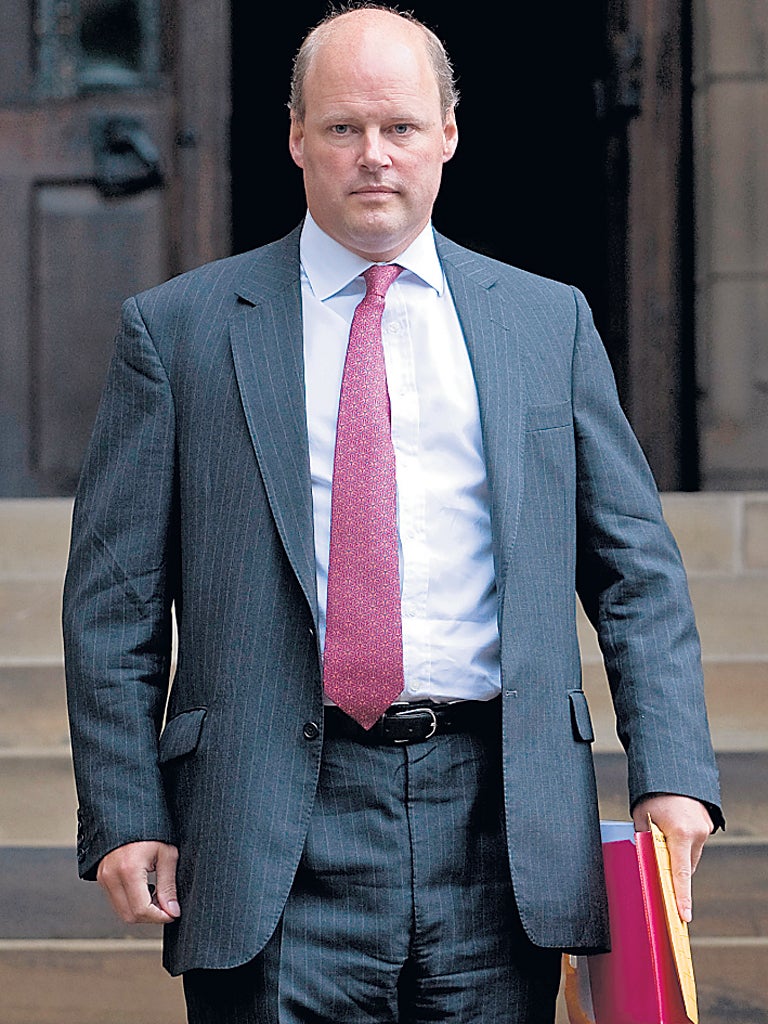
In the face of almost universal public outrage, ministers initially remained shamefully silent on the decision, though they scurried about giving private briefings to journalists. Their line was that they had to do it for fear that Stephen Hester – the man charged with reviving the moribund institution – would quit, along with the rest of the board, had the bonus been bounced.
The dumb decision, even before George Osborne ventured a dubious defence about contractual obligation, spoke with its own silent eloquence of the intuitive priorities of the Eton-Westminster coalition at the heart of this government. "We are all in it together," its rhetoric proclaims as it requires people to sacrifice their jobs in the public spending cuts that have knocked the life out of our falteringly recovering economy.
But although it insists on holding a hard line when it comes to those at the bottom – refusing even to compromise about excluding child benefit from the imminent benefits cap – it was ready to make concessions at the top end, arguing that without the mega-bonus the RBS directors might flounce out. "Holding the country to ransom," Mrs Thatcher would have probably called it, and she would have refused to give in to the concessions of the jellyfish public-school you-scratch-my-back cabinet elite.
David Cameron has been particularly feeble. After his speech last week on "moral capitalism", the Prime Minister was asked whether he would act to stop the bosses of state-owned banks receiving million-pound bonuses. "The short answer is yes," he replied.
But the long answer turns out to be "no".
On Monday, Vince Cable, the coalition's Business Secretary, announced a series of measures designed to curb excessive executive pay. These included greater power for shareholders to veto directors' pay packages. Yet within days the Government had rubber-stamped the deal at RBS, in which it owns 82 per cent of the shares – hardly putting its mouth where our money is. Apologists have suggested that the outraged have gone for an easy target in Mr Hester who has overseen the sacking of 21,000 workers. Since before history began groups have nominated one person – the ancient Greeks chose a cripple, beggar or criminal, as the pharmakos – whose fate was to be stoned, beaten or driven into exile to appease the gods in hard times.
But an easy target is not always a bad one. We live in a more dishonest country than we did a decade ago, according to the Centre for the Study of Integrity at the University of Essex. Its research has shown that Britons are more likely now than they were in 2000 to dodge taxes, have affairs, buy stolen goods, drive while drunk or even fail to leave a note after damaging a parked car. Why, you might ask, should ordinary folk be any different from greedy bankers, fiddling footballers, dodgy journalists, paedophile priests, bribe-taking policemen, and MPs who cheat on their expenses?
But there are fashions in dishonesty. The survey found that far more people now feel benefits fraud is unacceptable than previously. That is a triumph for the relentless hectoring of successive governments, and their allies in the tawdry tabloids, which love to blame victims. So why have levels of indignation on benefits risen without a concomitant anger at the 1,000 richest Britons who increased their wealth by £137bn over the past two years but paid hardly a penny more in tax? They are far from Britain's only top-rate tax-dodgers. Tax evasion costs the public purse 15 times more than benefit fraud.
It all rather undermines the coalition's much-vaunted "fairness" campaign which Tories repeatedly use to justify policies loaded against the poor.
"It simply isn't fair that households on out-of-work benefits can receive a greater income from the state than the average working household gets in wages," says the Work and Pensions Secretary, Iain Duncan Smith. But "fairness" is a bogus agenda. It is the language of the playground. When a child says "that's not fair" they talk from their own perspective. Fairness is in the eye of the beholder. It is about asserting rights not equality,
It was interesting that when Church of England bishops demanded changes in welfare reform, they spoke not about fairness but justice. Reforms on housing benefit, they claimed, were "profoundly unjust". They would push 200,000 children into severe poverty – and, indeed, research by a group of London councils now suggests about 133,000 households in the capital will be unable to afford their rent if the changes go ahead.
In the Lords last week, even as the Commons was listening to Vince Cable explain his inadequate attempt to cap the income of the rich, the bishops and other peers were resisting moves to cap the incomes of the poor. Demanding that child benefit should be excluded from the Government's planned £26,000 benefits cap did not seem as much of a concession as the extra £1m for Mr Hester.
Hopefully the tide is turning. Peter Mandelson has just announced that he has changed his mind on the importance of inequality. "We have seen," the noble lord confessed, "that globalisation has not generated the rising incomes for all" that had been expected. Greater government intervention was needed, the erstwhile great free-marketeer said, to develop a "modern industrial policy".
All we need now is for the politicians to catch up with the revisionist sentiments of the ordinary population which long ago abandoned any delusion that "greed is good", or even the necessary evil it was once thought to be. Nick Clegg has at least trimmed his rhetoric. On Thursday, the Lib Dem leader warned the Chancellor to ease the tax burden on the poor whose household finances, he said, have reached a "state of emergency". But will action follow?
Words are cheap. Unlike bankers' bonuses.
Join our commenting forum
Join thought-provoking conversations, follow other Independent readers and see their replies