Philip Hensher: A politician's wealth is fascinating, but it's not necessarily our business
How gripping it would be to discover how much one’s friends and enemies made last year
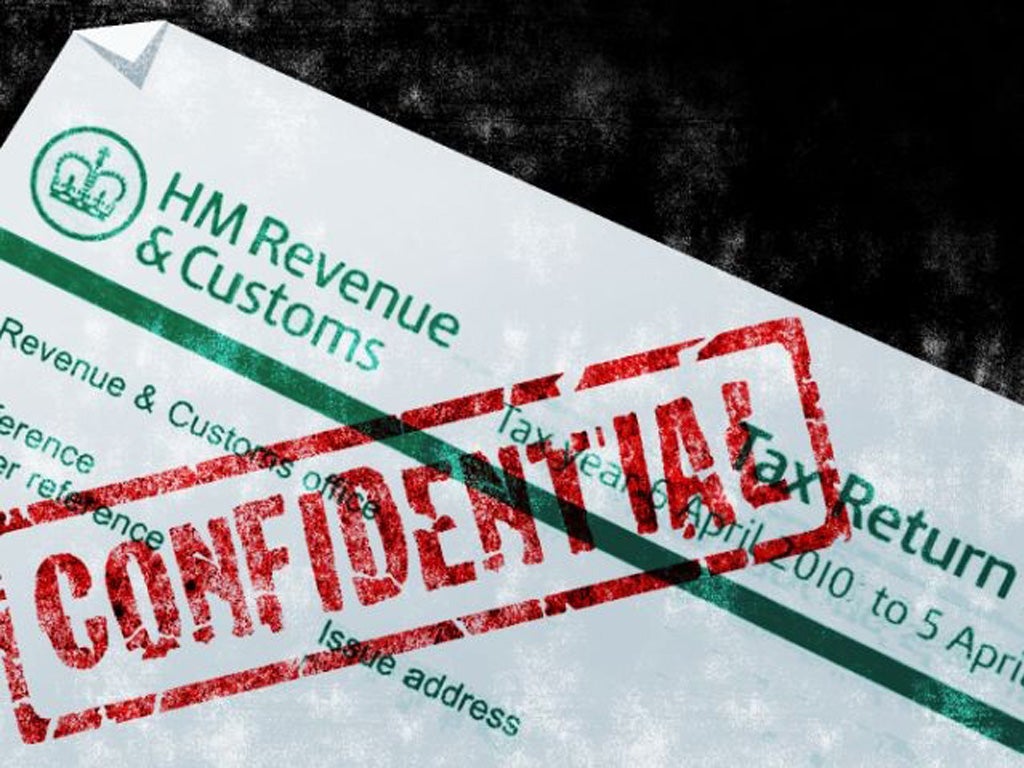
The candidates for mayor of London were manoeuvred this week into declaring their income and tax payments for recent years. The public interest defence of this was, clearly, not to show how much money they earn, or have. It was to demonstrate that they fulfil their fiscal requirements to the state.
But very few people, reading these figures, will have focused on the legitimate side of the matter. Almost everyone, surely, will have looked with fascination at what the different candidates earned. In 2010-11, Ken Livingstone earned £94,648. In the same year, Boris Johnson earned £473,280.
The other candidates were quick to follow suit in declaring their income; Ken Livingstone went on to say that candidates should declare their household income as well as their personal income, perhaps with an eye on the fact that Marina Wheeler, Mr Johnson's wife, is a successful barrister.
Clarity about the income of public figures is an area where we are still finding our way. In some areas, we don't even think it necessary to declare what money is paid to individual figures out of public funds.
Only very recently has the Government announced what the salaries of individual senior civil servants are, and the BBC was similarly slow to follow suit. Though this is public money, public organisations will, in many cases, refuse to give a detailed answer. We still don't know, and can't discover, precisely how much of our money the BBC hands over to individual performers and many executives. Public money, public figures, but no public interest, apparently.
In other areas, all income incurred by public figures is considered potentially fair game. The Register of Members' Financial Interests, in the House of Commons, seems to impose an obligation on members to declare their income. Some do, in great detail – it is interesting to know that Tristram Hunt was paid a measly £300 for a book review by The Spectator, and still more interesting to discover that he spent only an hour and a half writing it. Others, such as Michael Gove, declare donations with scrupulous accuracy, but evidently consider that any payments made by publishers, rather than the fact of the payment itself, are none of our business.
Do the mayoral announcements suggest that we are moving towards a world, like American politics, where the annual income of public figures is released as a matter of course, no matter where the money comes from, and whether or not the money is paid for public duties? Are we, indeed, moving still further? People have suggested in the past that there is no good reason why the income of private individuals should not be published universally, as is currently the case in Norway.
I know how much my husband earns, and a dear friend whose public-service salary was published in the last round of openness. But how gripping, and salutary, it would be to discover how much every one of one's friends, acquaintances, enemies made last year.
Yet, the idea of making the entire income of all public figures public seems to me fraught with the potential for unintended consequences. First, is it really desirable to discourage public figures from engaging in private industry? There was an air of disapproval hanging over not just Mr Johnson's whacking £250,000 fee for writing a regular newspaper column, but over the fact that he does it at all. But we want a Mayor who relates to the public in all sorts of ways, don't we?
The alternative may be a class of public figures who stay away from paid engagement with the private sector in any form. That class has been steadily on the rise since payment for MPs was introduced in 1911. Politics before then looked completely different; members of parliament, not reliant on public salaries, were for ever resigning and triggering by-elections, and were naturally not as dependent on the holders of the public purse.
On the downside, of course, the social origins of politicians were much narrower. Payment from public funds, and the increasing sense that it was actually improper to find payment in other sources, broadened the social reach of the political classes. It narrowed, however, the range of experience – just look at Ed Miliband's CV compared with Attlee's. It also, in a few cases, encouraged politicians to seek to enhance their income, not by the honest route of writing a popular column or pursuing a career at the Bar, but by fiddling their public expenses.
To open up the incomes of individuals to the public gaze is to discourage people from pursuing a private endeavour, and perhaps to erode any sense of the difference between the private endeavour and the public duty altogether.
For my part, I would say that the salary of the Mayor is very much our interest, and indeed the salary of everyone who is paid from the public purse. What people earn beyond that is only doubtfully our interest; what their partner's privately sourced income is, is only our interest in extraordinary circumstances. What the income of a private individual is, from a private company, earned in legal ways, is not our business at all, but only the shareholders'.
Public propriety in individuals is something which should concern us all. But privacy is also something which should concern us. We don't need to know how much even the Prime Minister has in his bank account, or in his wallet at any given moment. There is, clearly, a line which is drawn in the finances and the life of even the most public of figures. There may be a line to be drawn in the question, too, of income. Public figures, and certainly other figures, may choose to reveal where their money comes from, or they may perfectly well say, with Samuel Johnson, that no man is required to answer a question which should not properly be put.
What would be worrying is if people turned back from entering public life because they knew that making a career alongside the public one would be regarded with suspicion from the start.
Join our commenting forum
Join thought-provoking conversations, follow other Independent readers and see their replies
Comments