Leading article: Mass arrests have no place in a democratic country
The police must use their pre-emptive powers with extreme care
Sign up for the View from Westminster email for expert analysis straight to your inbox
Get our free View from Westminster email
There are times, and they seem to be growing more frequent, when the civil liberties we still associate with life in Britain suddenly start to look dangerously fragile. Yesterday was one such occasion. We woke up to the news that 114 people had been arrested on suspicion of conspiracy to commit aggravated trespass and criminal damage. This deserves to be spelled out. More than 100 people were arrested in the Sneinton Dale area of Nottingham not for committing an offence, but for allegedly planning to do so. In other words, they were arrested pre-emptively.
Now pre-emptive arrests may sometimes be justified: for instance, if there is evidence that an act of terrorism or other major life-threatening crime is nearing execution. But the evidence has to be persuasive, and it is often hard to convince a jury that a conspiracy to commit a crime existed, as acquittals under such circumstances show. People tend to be uncomfortable with the idea that someone can be arrested before a crime has been committed – and rightly so. It smacks of totalitarian regimes and the thought police.
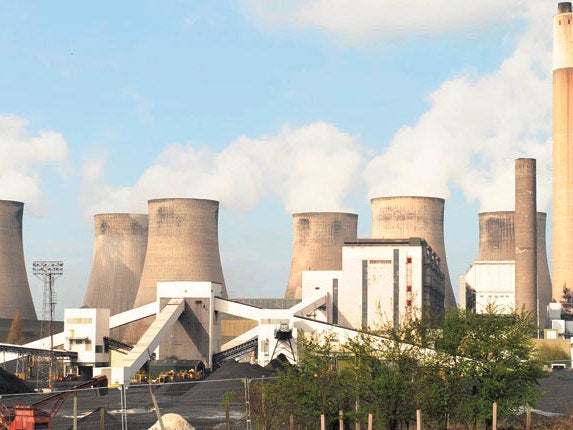
The full facts of the Nottingham case have not been easy to assemble. But what is not disputed is that a large number of officers swooped on school premises where a meeting was in progress after midnight. A police spokesman said they found "specialist equipment" at the site and believed there was a serious threat to the coal-fired power station at Radcliffe-on-Soar.
An early assumption was that the school was the rendezvous point for a protest planned by climate change activists. The police described the operation as "intelligence-led", fuelling suspicions that the group might have been infiltrated. A city councillor said that if police had information that there was some kind of danger to the East Midlands power supply, then they needed to take action.
Yet however the raid came about, it should prompt questions. There is in this country, as in most democratic states, a right – express or implied – to free assembly. The mass arrest of more than 100 people gathered in the same place comes perilously close to infringing on that freedom.
There is also, and always must be, freedom to protest. The police made their arrests, citing conspiracy to commit aggravated trespass and criminal damage. The councillor hazarded that the planned action might have endangered the power supply across the region. The reference to equipment doubtless had a purpose, too.
But, if we have learned anything in recent months and years, it is that early accounts by police spokesmen to justify particular actions are not always to be relied upon. We saw this only 10 days ago after the death of Ian Tomlinson during the 1 April protests in the City of London. The police account of what happened in Nottingham in the early hours of Monday morning needs to be treated with similar rigour. Simply planning, or engaging in, a protest is not, and should never be, a reason for arrest.
The policing of climate change protests has often left a bitter taste. A Liberal Democrat report on the policing of last year's climate camp, at Kingsnorth power station in Kent, condemned the vast police operation for tactics designed to intimidate and provoke. At power stations, as at airports, conflicting rights and interests converge: the commercial rights of the owners and operators, the rights of the paying customer, and the right of protesters to make their case. If our civil liberties are to be preserved, the right to protest is as important as the other two.
Join our commenting forum
Join thought-provoking conversations, follow other Independent readers and see their replies