Boyd Tonkin: Strangled and stifled by red tape
The week in books
Towards the end of Three Sisters by the Chinese writer Bi Feiyu comes a memorable passage. "Humiliation is a strange thing," reflects one of the often scorned and belittled women whose fortunes the novel follows during and after the cruel upheavals of Mao's Cultural Revolution. "The deeper you bury it, the smaller its teeth, and yet its bite is sharper." This week, Bi – a multi-award winning novelist, journalist and screenwriter – was due to discuss his work at public events in London, one of them a conversation with my colleague Arifa Akbar. But the encounters did not take place. For Bi Feiyu has joined the ever-growing list of authors, artists, musicians and academics denied entry into Britain for short-term professional visits either by outright refusal or – in his case – by bureaucratic delays in the processing of visa applications under Byzantine new rules.
The Home Office's arcane points-based system came into force in November 2008. It belongs in the sackful of would-be populist, foreigner-bashing measures introduced by New Labour in its dotage as part of a doomed attempt to appease the bigot press. Clearly aimed at economic migrants from outside the EU, the onerous and opaque new regulations demand evidence of savings from visa applicants. They compel host bodies to keep foreign guests under surveillance. They tend to consider visiting artists as guilty until proven innocent – guilty of wanting to enter the UK for sustained employment. As is now routine, they force everyone from cancer specialists to concert violinists to undergo the full panoply of UK controls: biometric data, fingerprint scans, the works.
The collateral damage has been terrible. From film directors (Abbas Kiarostami) to pianists (Grigory Sokolov) through poets, professors, singers, artists, and even a Russian church choir, visitors who wanted no more than to share their gifts with us have either had the door slammed in their face, or have given up in anger and disgust. The UK authorities have treated artists and thinkers of the highest repute as potential criminals. Given the complexity of the rules, and the cost of compliance, the system also has an inbuilt bias against artists from poorer countries without access to clued-up agents or promoters. Large-scale organisations have an easier route around the red tape.
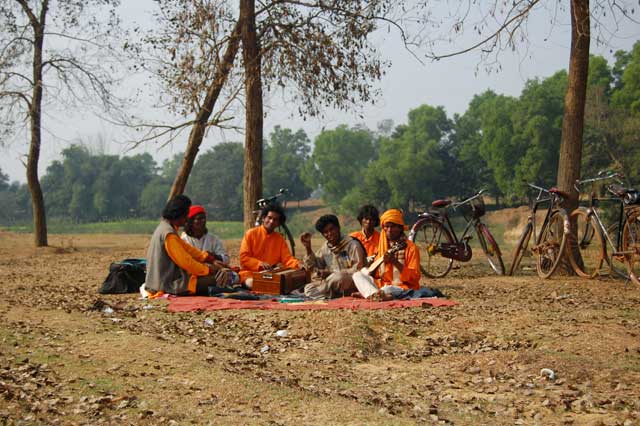
Earlier this month, the Ledbury Poetry Festival scheduled a joint reading with an Israeli and a Palestinian poet. Great idea – except that the Palestinian, Basem Nabres, was refused a visa. In April, PEN invited the writer Donato Ndongo-Bidyogo from Equatorial Guinea - now exiled in Spain - to speak at its Free the Word! London festival about his experience of censorship. Except that he didn't, after UK officials denied him a visa in what – on the evidence – looks like a flagrant case of maladministration. As for the absurd and shaming run-around recently given musicians Mimlu Sen and Paban Das Baul of the Bauls of Bengal, who work with writer William Dalrymple, only Kafka could do it justice. And these are just a small smattering of refusals with a literary link.
In short, the British state has as an apparent matter of policy engaged over the past 18 months in the systematic humiliation of cultural weather-makers and opinion-formers invited here to speak or to perform. Many of these people may in the future have a far greater say than most in their fellow-citizens' choices about where to travel, where to study, where to spend – and, yes, where to invest. When those sharp teeth of hurt return to bite us, as they must, will our politicians ever know the reason why?
It is not too late to change. The coalition has shown a heartening degree of scepticism about the oppressive follies of the New Labour regime. English PEN and the civil-liberties group the Manifesto Club, both robust campaigners, have some constructive ideas for reform to put to the UK Border Agency and its political masters. With the Olympics galloping fast towards us, and hopes high for its artistic flank, a more rational and flexible approach to one-off cultural visitors could help avert disaster. Britain is open for business, ministers always insist. And for talent, inspiration and ideas? Prove it.
From kicking ass to chilling blood
Like the perfect hostess, books and their unpredictable fate can reduce six degrees of separation to just one. In the past, I would have been hard pressed to suggest common ground between Kick-Ass screenwriter (and Mrs Jonathan Ross) Jane Goldman and the esteemed, prolific novelist (and much-loved blogger) Susan Hill. Now Goldman (right) has written a screenplay for the forthcoming film of The Woman in Black, Hill's classic 1983 chiller that – in its stage adaptation by Stephen Mallatratt - has run in London since 1989. Daniel Radcliffe, aka Harry Potter, will star for our sepulchral old chums Hammer Films. He praises Goldman's "tender and terrifying" script.
Stop the presses! Hardbacks live
Most print coverage of the digital-media giants consists of the naive recycling of corporate PR. This isn't so much turkeys voting for Christmas as the Poultry Chronicle announcing in a banner headline, "Tuck in now! We'll never be juicier". True to form, front-pages stories have just repeated with a sheep-like bleat Amazon's carefully managed "information" about selling more e-books for its Kindle reader than traditional hardbacks over the past quarter. It moved 143 e-books for every 100 hardbacks - although the paper products will earn far more. Now, there is an extraordinary story here, but it's the exact opposite to Amazon's spin. Since at least the mid-1980s, many publishers and commentators have predicted the imminent death of the hardback book. It never happened. Instead, hardbacks adapted; formats, pricing and marketing became much more flexible. There's a crucial lesson here for all those who proclaim the rapid demise of any publishing platform. But don't expect to learn it from our hype-dazzled tecchie scribes.
b.tonkin@independent.co.uk
Join our commenting forum
Join thought-provoking conversations, follow other Independent readers and see their replies
Comments
Bookmark popover
Removed from bookmarks