Do we still need the Orange Prize?
In harsh times, more than ever, argues Michèle Roberts, a judge this year. She reports on the judging process and defends a separate space for women writers
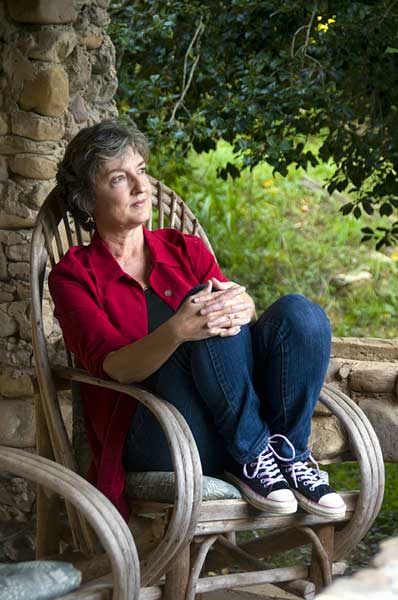
This year's Orange Prize for fiction has been won by Barbara Kingsolver for Lacuna, and I am delighted. Prizes are good for writers who, in the main, earn very little. Deciding to write means volunteering for poverty: 20 years ago, publishers might offer certain well-known writers six-figure advances on sales and could afford to be reasonably generous to some of the less well known. Those times are over.
Nowadays, many authors augment their meagre incomes from writing by taking on whatever freelance work they can get, or by teaching. A joyful acknowledgment that you write from a sense of vocation, driven by single-minded devotion to language, image-making, storytelling, co-exists with a sense of belt-tightening, an increase in the sheer bloody-mindedness necessary for survival as an artist.
Orange Broadband, which sponsors the Orange Prize, ensures that it is good for writers: it rolls in at £30,000. The winner is also guaranteed a raised profile, a big increase in sales at home and abroad, a great deal of publicity. Writers alongside the winner on the longlist and shortlist similarly benefit, since the Prize organisers, working alongside publicists M&C Saatchi and also helped by the umbrella books organisation BookTrust, do a great deal of highly effective marketing and outreach. The finalists' books are heavily promoted in selected chain shops and independents, in libraries and to book groups.
This year, with the Prize celebrating its 15th year, has seen additional media attention, spread across the trade press and the broadsheets, TV, radio, podcasts, websites and Twitter. On Tuesday evening, a reading at London's Queen Elizabeth Hall by the six shortlisted authors attracted an audience of 1000 people, many of whom bought the books afterwards.
The sponsors' generosity is augmented by the publishers of works making it to the shortlist, who contribute towards publicity costs and cover their authors' expenses. The Orange Prize is good for writers internationally, since it is open to fiction written in English published anywhere in the world. Offering this great feast from writers of very different geographical and cultural backgrounds, united by their chosen language, it stands out from other British prizes.
I should also say: the Orange Prize is good for women writers. While it opens up the riches of work by women globally, it excludes offerings by men. On its launch, the Prize attracted delight in some places and hostility in others. Some women novelists angrily felt that gender should not be the focus in this way; that they would be pushed back into the old camp of "women writers", labelled and patronised as separate, different and therefore second-rate. Some male critics resented even having to think about gender at all, scornfully denying that women writers had ever been discriminated against and certainly shouldn't get special treatment. They fulminated that if women wanted equality, dammit, then they should compete equally with the chaps. Some people, myself among them, liked the idea of the French Prix Femina style of prize: an all-female panel of judges sifting novels by both men and women.
The Orange organisers pointed out how few novels by women got entered for major prizes, let alone won them; they referred to the large amounts of space regularly given to reviewing men's work and the much smaller space allotted to women's, the way that male novelists were fussed over and constantly written about, becoming famous for being famous, while women writers of the same generation were often relegated to the margins. They argued that if the playing field was not level then equal competition could hardly even begin. They conceived of the Orange Prize strategically, as a step towards equality.
This all took place in a broad context of women struggling around issues such as equal pay and access to decent childcare. The fuss eventually died down, and the Orange went on to become a popular annual media event. In that quaint old-fashioned feminist phrase: it raised consciousness. Male critics now occasionally referred to how a male/masculine sensibility had swayed considerations of literary quality. Women writers began to appear more often on the shortlists of other major prizes, and even to win them. The reading public seemed to welcome the chance to focus, temporarily, on work by women.
At the same time, questions do rumble on, thank goodness, about whether the category of women's writing should exist at all. For 1970s feminists, it implied subversion and iconoclasm, harnessing the unruly unconscious, writing what had not been written before, inventing new forms for stories and anti-stories, and new kinds of language in which to do so. Was femininity a constraining corset? An upsurge of quintessential identity? A theatrical display?
The French philosopher Julia Kristeva argued that masculinity and femininity, as attitudes to creativity, could be available to all of us if we only enlarged our imaginations, took risks, wrote experimentally. Jean Genet and James Joyce, she asserted, with their wild grammar and poetic syntax, were producing feminine writing. Nowadays, femininity is once again associated with rose-printed aprons and iced cupcakes - ironically, of course.
With women writers becoming more visible and valued, will gender questions become redundant? Maleness and genius may still, in some intellectual backwaters, be so tightly connected that they exclude women as mere scribblers, but genius itself has become suspect as a category in our brave new world of life as shopping. Other either/or divisions are dissolving. The global market has melted down former distinctions between highbrow and lowbrow forms. For example, lots of literary writers borrow the forms of the thriller and play with them.
At the same time, as readers we may be scared of confronting foreign literature in translation, assuming it will be too difficult - but we'll gobble up foreign thrillers, because they make strangeness exotic via the safety of strong stories. It's often in thrillers that the old feminist issues of sexual violence, rape and incest get addressed and made palatable. For male writers, thrillers offer the chance covertly to explore romance; dysfunctional sex on the mean streets.
People who would run away shrieking rather than read something called a feminist novel will lap up its themes via a thriller. All the Orange judges this year loved Attica Locke's Black Water Rising, which meshed the thriller form with a drama about a male lawyer's involvement with the black civil-rights movement in America.
As a judge for this year's Prize, I cleared my diary of other freelance commitments as much as possible. In early December 2009, large brown cartons filled up the hallway of my flat. Where to stack over 120 books? My shelves were already full. In the end, I built wobbly stalacmites and columns, not least in the bathroom. The long, cold, wet, dark winter passed pleasurably. Wrapped in quilts, I lay in bed all day, reading novels and taking notes.
The rules for the Prize state that each judge be initially allotted around 30 novels to consider. Daisy Goodwin, chairing, would read the entire submission. That way, each novel would be read by two of the five judges (who also included Julia Neuberger, Miranda Sawyer and Alexandra Shulman).
I decided to read the lot, and did so. It felt wrong not to have a complete overview. The really good novels gripped me, made me shiver all over with delight, stay up all night to finish them. Reading, as Kristeva asserted, can be sexy: good novels make you cry out, finally abandon yourself to them.
They offer a complete satisfaction, form and content beautifully integrated; a kind of golden airiness and lightness. The bad ones (and some publishers did submit them) made themselves known immediately.
I constructed my own trash pile, hurling into the corner those works which were grammatically clunky, sentimental, superficial, emotionally dishonest, cliché-ridden and melodramatic.
Novelist Kate Mosse, who helped found the Prize, sat in on our meetings. She told us our judging criteria were to be excellence, originality and accessibility. I still don't know what that last term means. A good novel invites readers to access it, suggests it may be worth taking a little trouble. To use my sexual image again: a seduction may require some time.
At our first meeting, in March this year, tough, speedy and intense, we had just over two hours in which to whittle the whole collection of novels down to a longlist. Not really enough time. But I enjoyed the company of my sister judges, from the media and political worlds: the way we listened carefully to each other, did not put each other down, courteously expressed strong differences of opinion.
The discussion could feel painful. For example, I strongly minded not getting one novel that I much admired onto the longlist: Patricia Duncker's The Strange Case of the Composer and his Judge. But I was outnumbered and had to submit.
It is tough for the novelists concerned that now longlists are routinely published. Images of martyrs being thrown to lions cross my mind. In the media circus, the appetite for gossip and speculation obliterates how vulnerable writers may feel. A true artist puts his or her whole soul into writing a novel but then becomes part of a spectacle.
Writers have had to toughen up. Yes, if we step into the ring, we accept laying our heads in that lion's mouth. Just as, if we accept being entered for prizes backed by corporate sponsors, we'll have to find ways of dealing with being turned into commodities. The Orange Prize is certainly good for Orange. May it go on being good for writers.
Michèle Roberts's 'Mud: stories of sex and love' is just published by Virago
Join our commenting forum
Join thought-provoking conversations, follow other Independent readers and see their replies
Comments
Bookmark popover
Removed from bookmarks