Global warming threat to native dragonfly species
Britain's dragonflies, which date back to the dinosaurs but are increasingly threatened by habitat destruction, pollution and climate change, are to be the subject of a major national survey.
The five-year project, to be launched on Thursday, will result in a new atlas of the 39 species of dragonfly and damselfly that breed in Britain – which are soon likely to be joined by several others.
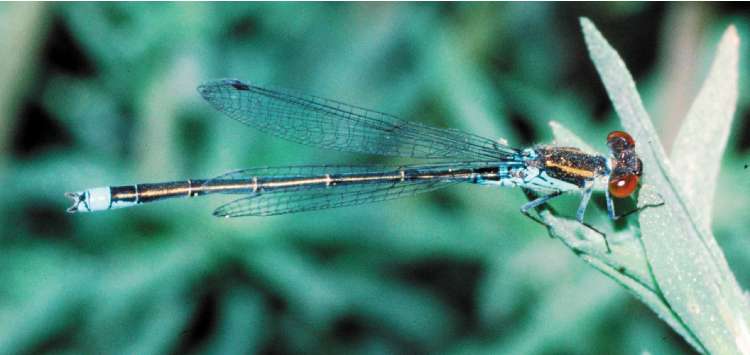
As it warms up, the climate is bringing new species into the UK from continental Europe, and allowing species already here to move further north. Already, one new European species has established itself here since the publication of the last British dragonfly atlas in 1996 – the small red-eyed damselfly. A decade ago it had never been seen in the UK; now it has breeding colonies from Devon to Norfolk, and continues to spread.
Other new continental species likely to start breeding here soon include the red-veined darter, the yellow-winged darter and the lesser emperor. However, the changing climate may also be a threat to native species, and the British Dragonfly Society (BDS) calculates that 14 of the current 39 may be at risk, including specialists such as the northern damselfly of the Scottish Highlands, and the Norfolk hawker of the Norfolk Broads.
Its survey project, entitled Dragonflies In Focus, will seek to recruit more people to monitor dragonflies in their wetland habitats, and will offer training to anyone interested.
The new atlas, due for publication in 2013, will act as a baseline against which future changes can be mapped, and be used to monitor endangered species and make conservation decisions. "They have survived the extinction of the dinosaurs and several ice ages, but can dragonflies survive the increasing pressures imposed by mankind?" said Katharine Parkes, a BDS conservation officer. "Understanding where and how quickly our dragonflies are moving will help us plan for the future. They are temperature-sensitive, making them useful for climate change impact studies."
Dragonflies are useful indicators of both aquatic and terrestrial habitats owing to their life cycle, which involves at least a year as a larva under water, then feeding, roosting and mating above ground as adults for up to two months.
Join our commenting forum
Join thought-provoking conversations, follow other Independent readers and see their replies
Comments
Bookmark popover
Removed from bookmarks