The conker canker: disease fells avenue of horse chestnuts
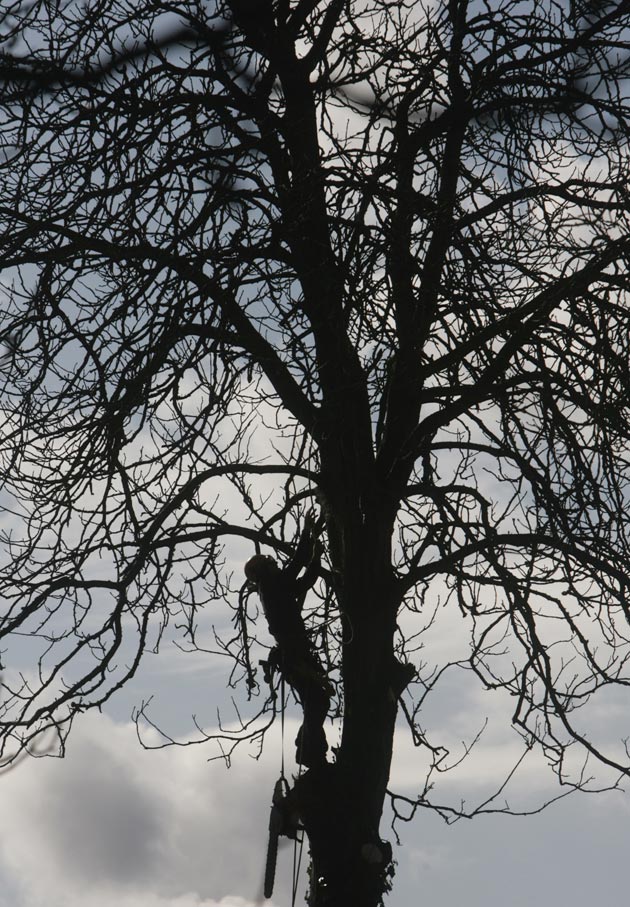
A sad milestone in the spread of a disease mortally affecting Britain's horse chestnut trees was passed this week when one of the country's noblest horse chestnut avenues was finally cut down.
The trees lining the drive of 16th-century Barrington Court at Ilminster in Somerset, had become stricken with bleeding canker, an infection caused by a virulent bacterium that produces a rust-coloured liquid which oozes from the bark and eventually kills the tree.
Barrington Court is owned by the National Trust – it was one of the first properties the Trust bought, in 1907 – and Trust staff had been trying to save the avenue of 68 majestic trees which have lined the approach to the Tudor manor, built in 1514, for nearly a century. But they have had to admit defeat and this week the final 23 horse chestnuts were cut down by tree surgeons, They will be replaced with disease-resistant chestnut-leaved oaks.
It is just the latest effect of a disease which has been taking an increasing toll on Britain's conker trees in the last five years, and looks as if it may threaten the conker's very existence.
The bleeding was first thought to be caused by Phytophthora ramorum, the agent which causes another serious tree infection known as sudden oak death, but investigations have shown it is caused by a separate pathogen, a bacterium named Pseudomonas syringae, a variant of which targets horse chestnuts.
The disease is now widespread in Britain and a survey undertaken by the research arm of the Forestry Commission in 2007 found that just under half of all horse chestnuts assessed were showing symptoms of the infection to some degree, although the extent of the disease varies in different parts of the country. Thousands of horse chestnuts – of which there may be half a million in Britain – are thought to have been already cut down because of it.
The situation has been made worse by the fact that conker trees are being devastated by a quite separate infestation, caused by an insect – the horse chestnut leaf-miner moth, whose larvae burrow into the leaves in their millions and cause them to turn brown in high summer rather than in autumn. The moth is thought to have reached Britain, perhaps on a long-distance lorry, in about 2000 or 2001 from the Balkans where it was first recorded as a new species in Macedonia in northern Greece in the late 1970s.
It was first noticed in trees on Wimbledon Common, south-west London in the summer of 2002 and has spread rapidly, just like bleeding canker. Virtually all of lowland England below Lancashire and Yorkshire is now affected, apart from the West Country.
Horse chestnuts originated in the Balkans and are thought to have been introduced to Britain in the 1500s. They have become familiar as ornamental trees of parks, gardens and streets, and are prized for their large blossoms.
Join our commenting forum
Join thought-provoking conversations, follow other Independent readers and see their replies
Comments