French government bans advertising of mobiles to children
New limits will be placed on radiation levels amid fears of increased risk of cancer from phone use
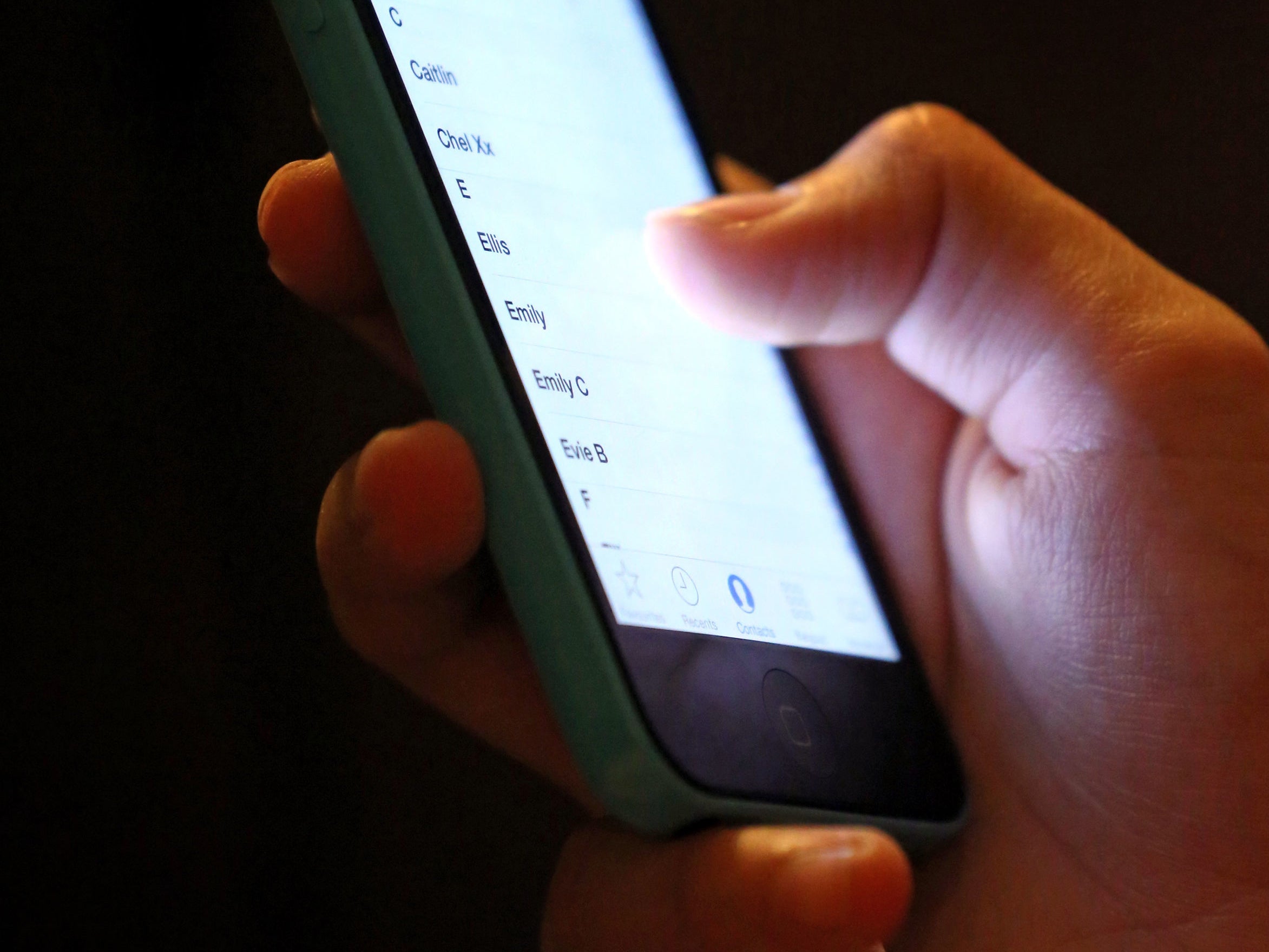
New laws cracking down on children's use of mobile phones are to be introduced in France amid growing fears that they may cause cancer and other diseases.
All advertising of the devices to children under 12 is to be prohibited under the legislation – announced by the Environment Minister, Jean-Louis Borloo, last week – and he will also take powers to ban the sale of any phone designed to be used by those under six.
The French government will also introduce new limits for radiation from the phones and make it compulsory for handsets to be sold with earphones, so that users can avoid irradiating their heads and brains. And one of the country's largest cities last month started an advertising campaign to discourage the use of the phones by children.
The clampdown represents the most comprehensive action yet taken by any government worldwide. It contrasts sharply with the stance of British ministers, who have largely ignored the recommendations of an official report nine years ago that people aged under 16 should be discouraged from using mobiles, and that the industry should be stopped from promoting them to children. Since then their use by the young has almost doubled, so that nine out of 10 of the country's 16-year-olds own a handset.
Swedish research indicates that children and teenagers are five times more likely to get brain cancer if they use the phones, causing some experts to predict an "epidemic" of the disease among today's young people in later life. But consideration of the threat to them has been specifically excluded from Britain's official £3.1m investigation into the risk of cancer from mobiles.
The French ministry warned that "mobile phone use is increasing at a rapid pace among youths", and warns that the young may be "more sensitive because their bodies are still developing". Children's heads are smaller and their skulls thinner.
Lyon, France's second city, launched an advertising campaign before Christmas aimed at dissuading people from buying mobiles for children as presents, with the slogan "Let's keep them healthy, away from mobile phones!"
A year ago France's official Agency for Environmental and Occupational Health Safety said that parents should not give small children mobiles. And France's Health Ministry urged using them in moderation.
The French legislation is the latest evidence of growing official alarm at the hazards of the radiation caused by mobile phone use. In September, the European Parliament voted 522 to 16 to urge ministers across Europe to bring in stricter radiation limits, and the European Environment Agency has also issued a warning.
Toronto's Department of Public Health has advised that children under eight should only use mobiles in emergencies and teenagers should limit calls to less than 10 minutes. The Russian Ministry of Health says that young people under 18 should not use the devices, and Israel's Health Ministry has also advised caution.
Read More: Compare providers and find the best deals with our Mobile Phone Deals page
Join our commenting forum
Join thought-provoking conversations, follow other Independent readers and see their replies
Comments