US issues health warning over mercury fillings
They're in millions of mouths worldwide, but have been linked to heart disease and Alzheimer's. Now a report concedes they may have a toxic effect on the body
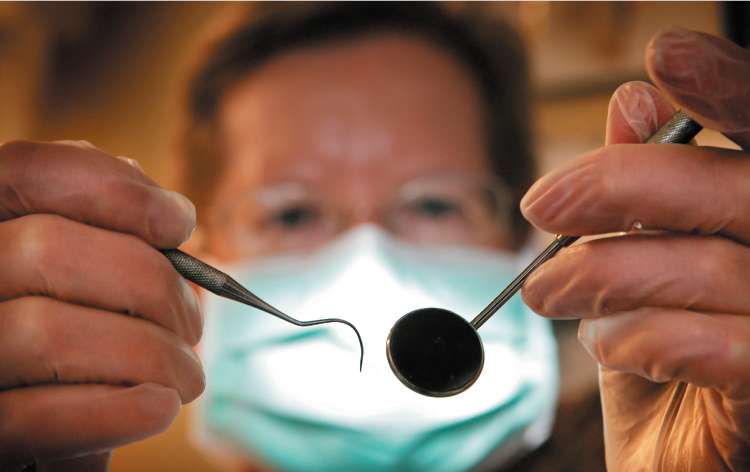
Amalgam dental fillings – which contain the highly toxic metal mercury – pose a health risk, the world's top medical regulatory agency has conceded.
After years of insisting the fillings are safe, the US government's Food and Drug Administration (FDA) has issued a health warning about them. It represents a landmark victory for campaigners, who say the fillings are responsible for a range of ailments, including heart conditions and Alzheimer's disease.
Earlier this month, in an unprecedented U-turn, the FDA dropped much of its reassuring language on the fillings from its website, substituting: "Dental amalgams contain mercury, which may have neurotoxic effects on the nervous systems of developing children and foetuses." It adds that when amalgam fillings are "placed in teeth or removed they release mercury vapour", and that the same thing happens when chewing.
The FDA is now reviewing its rules and may end up restricting or banning the use of the metal.
Mercury is placed in tens of millions of teeth worldwide each year. About 125 tons of it is used annually in dental treatments in the EU alone. And it was used in eight million fillings (including one million in children and young people) in Britain in 2002-03, the last year for which the British Dental Association (BDA) can produce figures.
The association continues to insist that amalgam is "safe, durable and cost-effective" and "does not pose a risk of systemic disease", though it advises pregnant women to avoid "any dental intervention or medication". However, Norway and Denmark banned mercury from fillings earlier this year. Sweden has cut its use by more than 90 per cent over the past decade, and mercury use is also heavily restricted in Finland and Japan.
Mercury makes up about half of an amalgam filling, where it is mixed with silver and small amounts of copper and tin. The combination – which has now been used for some 150 years – is extremely durable, and its supporters used to stress that it locked in the mercury. They now accept, however, that mercury vapour escapes, is breathed in, and gets into the bloodstream and organs, but they also stress that levels are very low. Opponents argue that the metal accumulates in the body and no safe level is known.
Some research suggests that mercury from dental fillings may be linked to high blood pressure, infertility, fatigue, disorders of the central nervous system, multiple sclerosis and Alzheimer's disease. Dentists have been found to have high levels of mercury in their bodies as well being more susceptible to brain tumours and problems with concentration and manual dexterity.
However, a study that followed 507 Portuguese and American children for seven years after they received amalgam or mercury-free fillings found no differences in the rates of neurological symptoms between the two groups.
Nevertheless, more and more dentists – now some 500 in Britain – are setting up mercury-free practices, and more patients are demanding alternative fillings made of resin and glass.
The alternatives are more expensive and not as strong as amalgam, which leads the defenders of mercury to say that only mercury will do for molars, which carry most of the burden of chewing. And some have released another toxic material, the gender-bending chemical bisphenol A. But the alternatives are getting stronger, and the chemical is being used less in the newer products.
Even the BDA now says that the alternatives "have improved over time", adding: "Trends towards greater use of these materials imply that there is to be a sustained reduction in the use of dental amalgam."
Join our commenting forum
Join thought-provoking conversations, follow other Independent readers and see their replies
Comments