Untouchable: Blair to give Iraq War evidence in secret
Former PM was happy to discuss invasion with Fern Britton on TV show – but the Chilcot inquiry will hear his crucial testimony behind closed doors
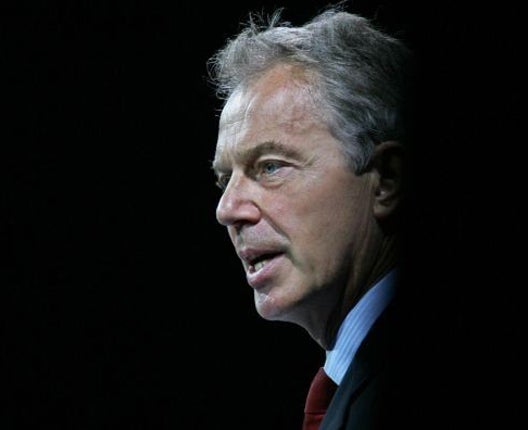
Key parts of Tony Blair's evidence to the Chilcot inquiry into the Iraq War will be held in secret, sources close to the hearings revealed last night.
His conversations with President George Bush when he was prime minister, and crucial details of the decision-making process that led Britain into war, will fall under the scope of national security and the protection of Britain's relations with the US.
But there are also suggestions by well-placed sources that anything "interesting" will also be shrouded in secrecy, leaving his public appearance containing little more than is already known.
The revelation will dash hopes that Mr Blair will finally detail in public why he committed British troops to the disastrous military invasion on the basis of flimsy intelligence.
The Liberal Democrat leader Nick Clegg last night condemned the move, saying if a significant proportion of Mr Blair's evidence were held in private then the public would "rightly conclude that the inquiry is simply too weak to give us the truth".
It followed Mr Blair's extraordinary admission to the TV presenter Fern Britton this weekend that he would have gone to war even if he had known Saddam Hussein had no weapons of mass destruction.
He would have deployed "different arguments" to remove Saddam, Mr Blair said – undermining his long-held case that Saddam needed to be toppled because of the threat of WMD.
It will be seen as supremely ironic that Mr Blair made the confession in the cosy surroundings of a documentary about his religious beliefs, in Fern Britton Meets... to be broadcast on BBC1 today, yet the public will be denied the chance to see any difficult questioning of how he has changed his justification for war over the past seven years.
All of the evidence held behind closed doors is expected to be redacted from the Chilcot panel's final report on the war.
There are already concerns that Sir John Chilcot and his four fellow panellists have given the 27 witnesses who have so far appeared – mainly senior Foreign Office mandarins – an easy ride over their role in the war.
The former MI6 chief Sir John Scarlett, in evidence last week, distanced himself from the "overtly political" foreword to the September 2002 Downing Street dossier. Yet the panel failed to ask why it was that Mr Blair and Alastair Campbell were able to amend the document he was in charge of. Sir John will also give evidence in private.
The inquiry adjourns for the Christmas break this week. Mr Blair will appear in public in the new year, followed by a private session.
The IoS revealed earlier this year that Mr Blair lobbied Gordon Brown, through the Cabinet Secretary Sir Gus O'Donnell, for the inquiry to be held in private to prevent it turning into a "show trial".
After widespread uproar, the move was blocked and it was announced that all evidence would be public and televised. Yet a source close to the inquiry said yesterday that the "interesting" aspects of Mr Blair's evidence will still be heard behind closed doors.
The source said: "Anyone who thinks the public will have their day in court with Blair is wrong."
It is thought the move arose from a mutual agreement. Whitehall frequently uses national security as a reason to withhold documents from the public. The Freedom of Information Act also blocks the release of details where the effects of disclosure could damage the UK's relations with any other state or international organisation.
A spokesman for the inquiry said: Mr Blair would be appearing "very much in public". He added: "We have said right from the start that he will be a key figure in the inquiry. Mr Blair has said that he is ready and willing to give evidence in public."
Mr Clegg said last night: "It would be wholly unacceptable for any of Blair's testimony to be held in private, except that which could directly compromise national security. Tony Blair's breathtaking cynicism in stating that he would have found any old excuse to go to war simply underlines how vital it is that we hear his testimony in public.
"It is highly ironic that he is willing to speak publicly to Fern Britton but not to the inquiry set up to investigate the Iraq War."
Another source with knowledge of the inquiry said it was clear the "heavy stuff" was being saved for behind closed doors.
Hans Blix, head of the UN weapons inspectorate in 2003, said that Mr Blair's confession to Fern Britton had left a "strong impression of a lack of sincerity", adding that the WMD argument was a "figleaf".
Join our commenting forum
Join thought-provoking conversations, follow other Independent readers and see their replies
Comments