Architecture
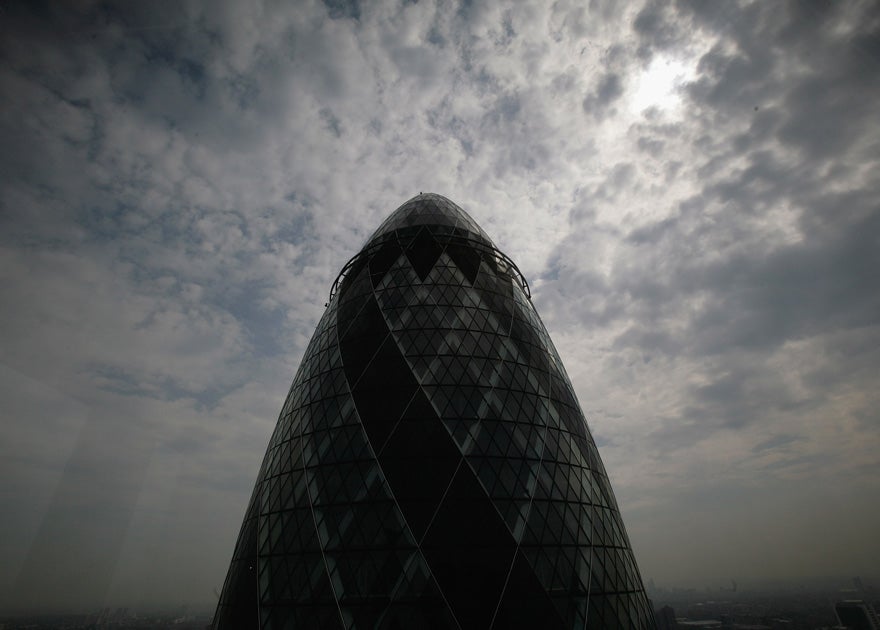
What courses? Architecture; architectural technology; architectural engineering; interior architecture; architectural design; architecture studies.
What do you come out with? Either a BA, BSc or BEng, depending on the title and content of your degree. In Scotland, it’ll be a MA, Msc, or MEng. Then there’s the option to continue to get your BArch or DipArch.
Why do it? "Studying architecture is the beginning of a journey, which will genuinely last a lifetime. It makes you look at the world differently, it equips you to think differently. The majority of students will continue on to become architects, but many use a first degree in architecture as a broad education giving a unique set of transferable skills in drawing, modelling, three-dimensional design, written and verbal presentation and creative and critical thinking. As an architect, the opportunity to design buildings, to create spaces that are uplifting and enhance everyday lives as well as shaping the built environment is demanding, but is extraordinarily exciting as a career." - Fiona McLachlan, head of the Edinburgh School of Architecture and Landscape Artchitecture
Click here to read about what it's like to study Architecture
What's it about? Designing and engineering buildings and other large structures. You need enthusiasm for both the arts and the sciences. It’s an intensely hard slog to become a fully fledged architect. A BA, BSc or BEng is followed by another two years of study for a bachelor of architecture or a diploma of architecture (both of which are exactly the same), and then another two or three years working in industry. During undergraduate study, you look at everything from the history of buildings to how a beam works. There is usually a high practical content to the course, in which you are given studio time to complete design and construction projects. It is also a good introduction to different ways of thinking and you gain the technical competence to converse with builders, engineers and planners. The emphasis varies between courses, however; for example UCL focuses on design.
Study options: Almost all undergraduate degrees are three years, apart from Scotland where they are four. A few universities , including Huddersfield and Loughborough, offer a sandwich year in which students can work in the industry but if you are planning to complete full architectural training you will have to complete work placements later as part of your progress anyway. Your first three years usually exempt you from the first of three sets of RIBA (Royal Institute of British Architects) exams, while a BArch or DipArch counts for the second. Once you’ve worked in industry for two or three more years, you can complete the third and final set of exams and register with the Architects Registration Board. At Nottingham you can follow the whole progression on a six year course. Nottingham Trent offers a three year BArch without having to complete a previous undergraduate degree, although this still only exempts you from your part one RIBA exams; for completion of part 3, you’ll need to do their MArch.
What will I need to do it? As architecture is a subject rooted in both art and science, experience in both is desirable, but most universities do not ask for specific A-level subjects. Bath asks that students have a split of humanities and sciences, and Nottingham Trent requires one art and design subject. Cambridge asks for a portfolio to demonstrate artistic ability, as do most other institutions, although this doesn’t necessarily need to be of an architectural nature. Bath doesn’t ask to see a portfolio, although grade requirements are tough, with a hefty A*AA being requested.
What are my job prospects? Unsurprisingly, after completing six or seven years training, most graduates will pursue careers as professional architects. Those that decide to leave their studies after the first three years may find themselves in related areas, such as construction, engineering or town planning, or applying some of their more universal skills in other sectors, including management or journalism. Since the recession hit, available work for architects has decreased dramatically, as have graduate salaries. Architecture came within the bottom ten subjects for starting salaries in The Times’ Good University Guide 2012, with the average wage in a graduate-level position averaging just £17,873 per year, £1,000 less than in 2011. Even after all the years of training, the career of an architect takes time to build momentum; one student claims “nobody does anything before they’re 40”, so perhaps it’s not the best career choice if you’re after a way to get rich quick.
Where’s best to do it? Cambridge came out top overall in the Complete University Guide 2012, and Bath, UCL, Edinburgh School of Architecture, Sheffield and Cardiff followed. Students at Bath and Northumbria said they were most satisfied with their courses.
Related degrees: Art; design; civil engineering; building; history of art; history.
Join our commenting forum
Join thought-provoking conversations, follow other Independent readers and see their replies
Comments
Bookmark popover
Removed from bookmarks