A poet and you know it
Those keen to develop a natural gift for words can benefit from an MA in creative writing, says Russ Thorne
There’s an old motto borrowed from Ovid’s Metamorphoses, which suggests that while an orator is made, a poet must be born. For those who feel they might have writing in their blood but could do with a little help, the creative writing MA has had an enduring appeal since the first programme was introduced in 1971 at the University of East Anglia.
Since then, many other institutions have developed their own extremely successful MA programmes. Creative writing is still offered at UEA and students can investigate options at Manchester Metropolitan (MMU), Warwick and Sheffield universities (among others), all of which offer fiction and poetry courses taught by established – often high-profile – writers.
Potential students can come from a broad range of backgrounds says James Draper, project manager at MMU’s Writing School. “It’s mainly mature students, or returners to education – people who’ve been working on an idea or doing bits and pieces of writing for years.”
Whatever their educational or professional back story, a writing background is vital, says David Morley, director of Warwick university’s writing programme. “The MA is intended for students who are already experienced, as well as ambitious, practising writers, whether published or not. We aim to help develop technical writing skills which students will find useful professionally.”
This opportunity to develop their writing skills is the principal draw for students on most courses. It’s a chance to write and receive support, advice, guidance and critical feedback, according to Draper, and it also adds the useful pressure of deadlines: “Students who’ve written independently for many years say that having regular deadlines provides motivation and focus.”
Andrew Cowan, director of creative writing at UEA, suggests that writing programmes are also vital to developing particular kinds of work. “It may be that as publishing becomes ever more corporate and commercial, academia will become the main environment in which literary fiction and experimentation can be nurtured.”
This nurturing process varies between courses but common to all of them is the writing workshop. Although the exact format may change slightly between institutions, all students can expect to submit work for in-depth discussion by their peers.
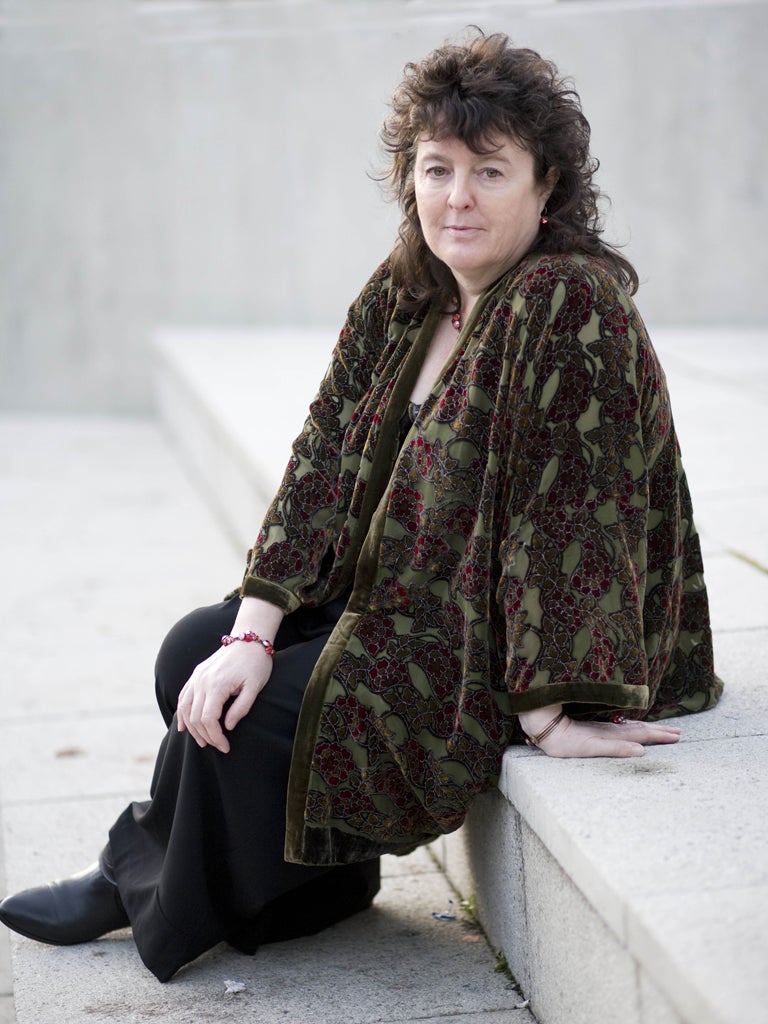
“The writing workshops are a safe, sacrosanct space where students should feel free to show us their work, try new things out, experiment, make mistakes and celebrate their successes,” says Poet Laureate Carol Ann Duffy, who teaches on the MMU programme. “It’s an exciting process to be involved in.”
Workshops can nonetheless be daunting, says Simon Armitage CBE, professor of poetry at the University of Sheffield. “I think people can find them challenging. Poetry can often be quite personal; it can be very exposing to put it in front of other people and listen directly to critical feedback.”
However tough, the process helps students grow a thicker skin and also become better critical readers, he adds. “I often tell people you can’t be a writer without being a reader.”
One of the benefits of a writing programme is creating a finished manuscript of poems, or a novel, as part of the assessment. But there are other perks, suggests Cowan. “The MA provides an opportunity to be serious about writing for a year in the company of other people who are serious about writing. That’s a rare thing.”
Beyond the confines of the MA, students might continue in academia, work as teachers or in publishing, or potentially write full-time for a living.
An MA will certainly help in all cases, says Draper. “Having a creative writing MA under your belt does give you an advantage; it shows that you’ve taken your writing, and its development, seriously.”
Students should be prepared for a different experience from that offered by other courses, says Maureen Freely, novelist and tutor on the Warwick writing programme. “What we teach has value because it can’t be put in a box: it’s a way of thinking, of disciplining the imagination, a different way of working. Students should approach it with an open mind.”
Writers should also embrace the fact that, while following a formal programme has tangible career benefits, it’s also about personal satisfaction.
“There’s no rational reason to write a poem,” says Armitage. “Every time you put pen to paper it’s a form of indulgence, but a necessary one: if we’re not exploring how we think and feel, there’s not much point in being alive.”
Join our commenting forum
Join thought-provoking conversations, follow other Independent readers and see their replies
Comments
Bookmark popover
Removed from bookmarks