Zanzibar: Trouble on Paradise Island
Robbery and power cuts – two of the problems awaiting visitors to the isle of Zanzibar
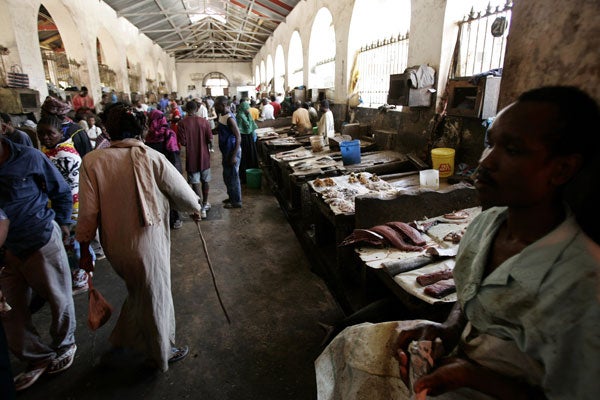
The island of Zanzibar, just off the mainland of East Africa, receives 100,000 tourists each year, including many honeymooners. The allure is clear: beautiful beaches of powder-white sand, fascinating townscapes and tranquil waters with excellent scuba and snorkel potential. In addition, there are areas inland where spices grow in the wild.
But according to Chris McIntyre, author of the Bradt Guide to Zanzibar and proprietor of Expert Africa, "Zanzibar has more issues to grapple with than do other countries in sub-Saharan Africa."
Visitors to Zanzibar are being warned by the US State Department that travellers "are often targeted for robbery or assault" when walking on beaches and footpaths. That view is echoed by the Foreign Office – which warns of "robberies, some accompanied with violence, occurring on popular tourist beaches".
"Visitors to Zanzibar will probably have a very safe and enjoyable time," says McIntyre, "But it is more dangerous to visit Zanzibar then many other places. You need to understand the culture you are going to," he says.
The extent of crime, says Mr McIntyre, is a result of population and popularity: "Zanzibar is very busy with a population of nearly 100,000, and a constant stream of tourists all year round. The crime rates are therefore expected to be higher than other African destinations like Botswana for example, which has very few people and a very low level of tourism." He added: "Is it a more difficult country for people to visit than Botswana? Yes it is. But is it an absolutely dangerous place for people to visit? No."
The US State Department is also warning of the possibility of political unrest as voters register for elections due in October this year: "Past elections in Zanzibar have featured violence during the campaign season".
Visitors are advised by the Foreign Office to "dress modestly and refrain from intemperate public behaviour" when visiting Zanzibar. The FCO also expresses concerns about women's dress on the island, urging female travellers to avoid wearing shorts and sleeveless tops away from tourist resorts, especially in the capital, Stone Town. The official advice warns: "There have been cases where women travelling alone and in small groups have been verbally harassed in such areas."
Meanwhile there are other concerns for tourists. Zanzibar could be without mains electricity for the whole of February, following a technical failure on the submarine cable from the national grid in mainland Tanzania. This follows a similar blackout in 2008. The Foreign Office suggests "confirm with your hotel that they have a generator".
In addition, "Same gender sexual relations are illegal", though no one has been arrested or convicted for homosexuality in decades.
Rececca Buchan and Simon Calder
* One more concern, writes Francesca Lewis, is intellectual rather than intimidating. When you arrive in Stone Town, the capital of this exotic island, you are likely to be accosted by an enterprising young tour guide offering guided walking tours around the maze of streets.
The history of Zanzibar's British links is fascinating. In the 19th-century, Britain became involved with the island in a bid to put an end to slavery – something that was not achieved until 1876. By all means, go on the tour and explore the elegantly crumbling town, but when they take you to the city's Anglican cathedral and the adjoining St Monica's Hostel (now a tourist location) beware of the stories you'll hear.
The standard patter is that the site was previously a slave market, but in fact these cells were dry medicine storage units for the hospital next door, and built, in any case, after the abolition of slavery on the island. The real site of the old market can be tracked down across town among the foundations of the plush Serena Inn hotel.
Join our commenting forum
Join thought-provoking conversations, follow other Independent readers and see their replies
Comments
Bookmark popover
Removed from bookmarks