Simon Calder: Why Branson’s fresh ideas were Virgin territory
The man who pays his way
Success in aviation is a matter of learning from mistakes – preferably other people’s. Flying is so safe because the causes of crashes have been studied intensely for the benefit of future travellers. Commercially, there have been many fatal errors. The list of failed airlines is much longer than the table of successes. Recent collapses among UK carriers provide the useful, if predictable, lessons that “stand-alone business class doesn’t work” (Silverjet) and “the Isle of Thanet cannot sustain its own airline” (EUjet).
Laker Airways, which flew transatlantic for five years until its sad demise in 1982, showed that “if you’re going to take on the big boys, you need more than just low fares”. I was a loyal follower of Sir Freddie right up until the point when British Airways, TWA and Pan Am matched Laker’s prices across the Atlantic. Once the incumbent airlines threw in access to Heathrow, a wider choice of flights and a decent dinner, Laker’s game was up.
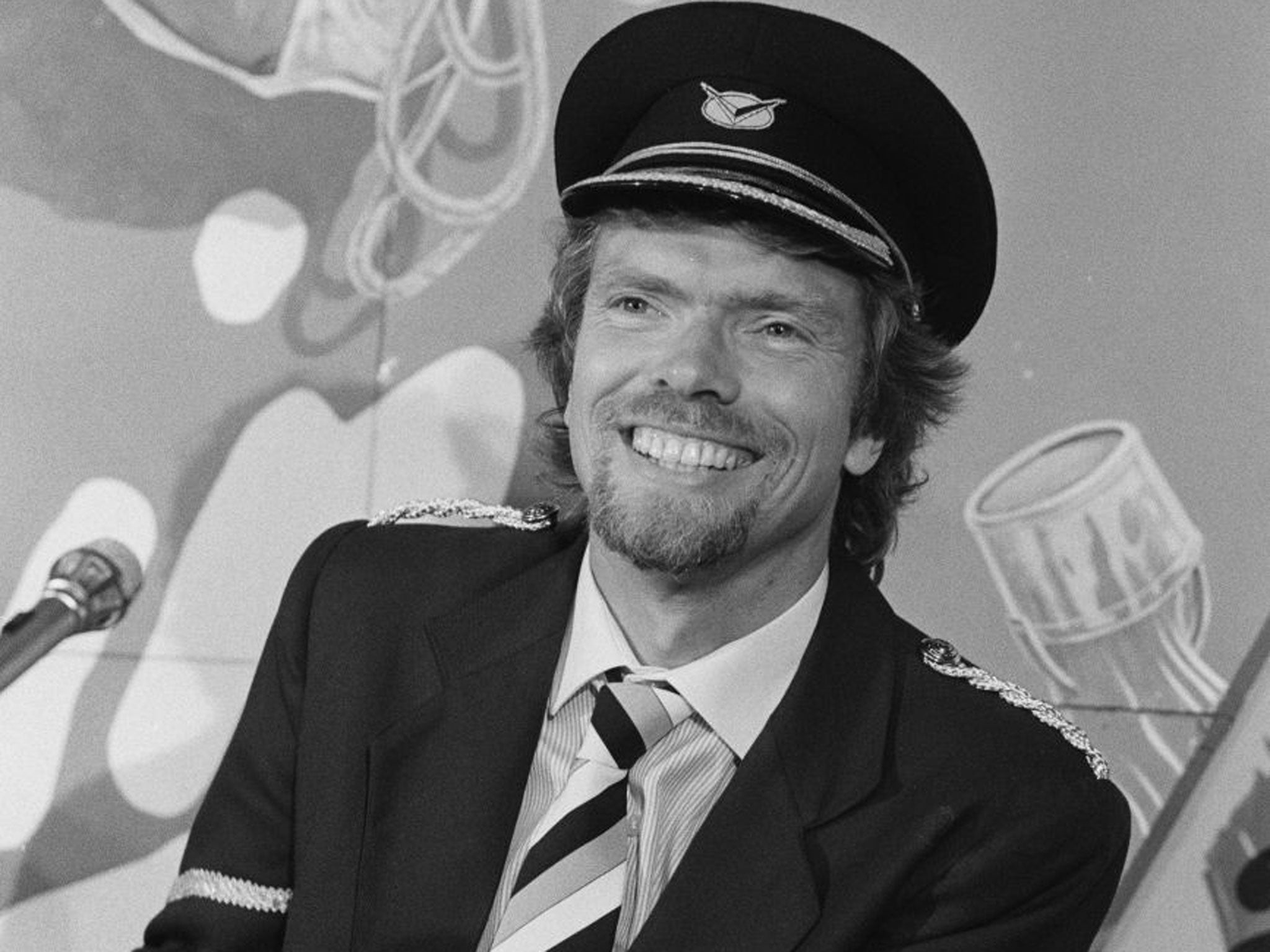
Richard Branson understood this when, two years later, he launched Virgin Atlantic. Contrary to popular belief, Virgin has never been a budget carrier. Its fares on individual routes, in my experience, rarely drift more than a few pounds from BA’s. But the cheeky upstart put playfulness into flying. “During the Seventies, what was offered in the air was an absolutely miserable experience,” the Virgin boss told me. “Which was why we decided to get into the airline business and try to change things.”
Starting with an inaugural Gatwick-Newark flight on 22 June 1984, which reputedly ran dry (of champagne, not fuel) somewhere over Newfoundland, Virgin Atlantic has been a “challenger brand” with a premium product. Branson chose Upper Class as the name for the Boeing 747’s “bubble”: for less than the price of BA’s First Class, passengers got a limousine transfer to and from the airport, and shared the cabin with no more than seven other high flyers; there were only eight seats. One by one, Virgin assiduously attached itself to British Airways’ most profitable routes: Los Angeles, Boston, Tokyo ...
The “flag carrier” was forced to raise its game without raising its fares, to the benefit of UK travellers. French, German and Italian consumers don’t know what they’re missing: a high-quality long-haul rival for a national airline does passengers a world of good.
Is small beautiful for airlines?
As the 21st century approached, Virgin Atlantic thrived. In 1999 Branson became Sir Richard. A few months later, Singapore Airlines piled in with £600m for a minority stake. What could possibly go wrong?
How about the bursting of the internet bubble, 9/11, Sars, soaring fuel costs, volcanic ash, recession, air passenger duty, competition from the Gulf carriers? For the past decade, Virgin Atlantic has trod water while its planes (and excellent cabin crew) have gently aged. In a king-sized economic crisis, a pocket-sized carrier gets squeezed. Its most recent results show a loss of £15 for every passenger flown. Which is why Virgin Atlantic this week teamed up with the world’s biggest airline, Delta.
Virgin had a code-sharing fling with the US carrier in the early 1990s, but this time it appears to be a serious relationship. Singapore Airlines is selling its 49 per cent share to Delta, though for £375m less than it paid (which works out as a fiver for every Virgin passenger flown during its tenure).
Isn’t the Delta deal rather like your local independent coffee bar signing up with Starbucks? Not according to Virgin’s outgoing chief executive, Steve Ridgeway. “The brand is not going to be subjugated,” he told me. “It’s been amazing how we’ve managed to maintain our creed and our spirit as we’ve grown to six million passengers [a year]. That’s what I’m most proud of: I’ve worked hard to make Virgin Atlantic feel small.”
Not convinced by the Delta force
So what’s in it for the passenger? The deal emulates BA’s tie-up with American Airlines, offering more connections and rising frequencies on key routes – notably London-New York, the world’s premier international link.
Conventional airline wisdom says that business travellers travelling on expensive and flexible tickets demand frequency, which puts Virgin’s current four daily flights on Heathrow-JFK at a disadvantage to BA’s seven. Slap a Virgin code on Delta’s three departures, goes the theory, and business passengers will rejoice.
I am unconvinced. While Delta has improved, it is not (yet) in the same league as Virgin. An Upper Class passenger who narrowly misses the 7.20pm departure from New York is unlikely to think “oh well, I’ll take the 9.15pm Delta”.
He, or she, will linger an extra hour in the Virgin Clubhouse before the final flight of the night at 10.15pm, especially if their car is parked at Heathrow Terminal 3; Delta uses Terminal 4.
But I may be mistaken.
Join our commenting forum
Join thought-provoking conversations, follow other Independent readers and see their replies
Comments
Bookmark popover
Removed from bookmarks