Smithsonian museum to return three bronze sculptures illegally removed from Indian temples
Internal investigation found the statues had been removed from temples in southern India
The Smithsonian’s National Museum of Asian Art announced that it was returning three medieval bronze sculptures to India after an internal investigation revealed they had been removed illegally.
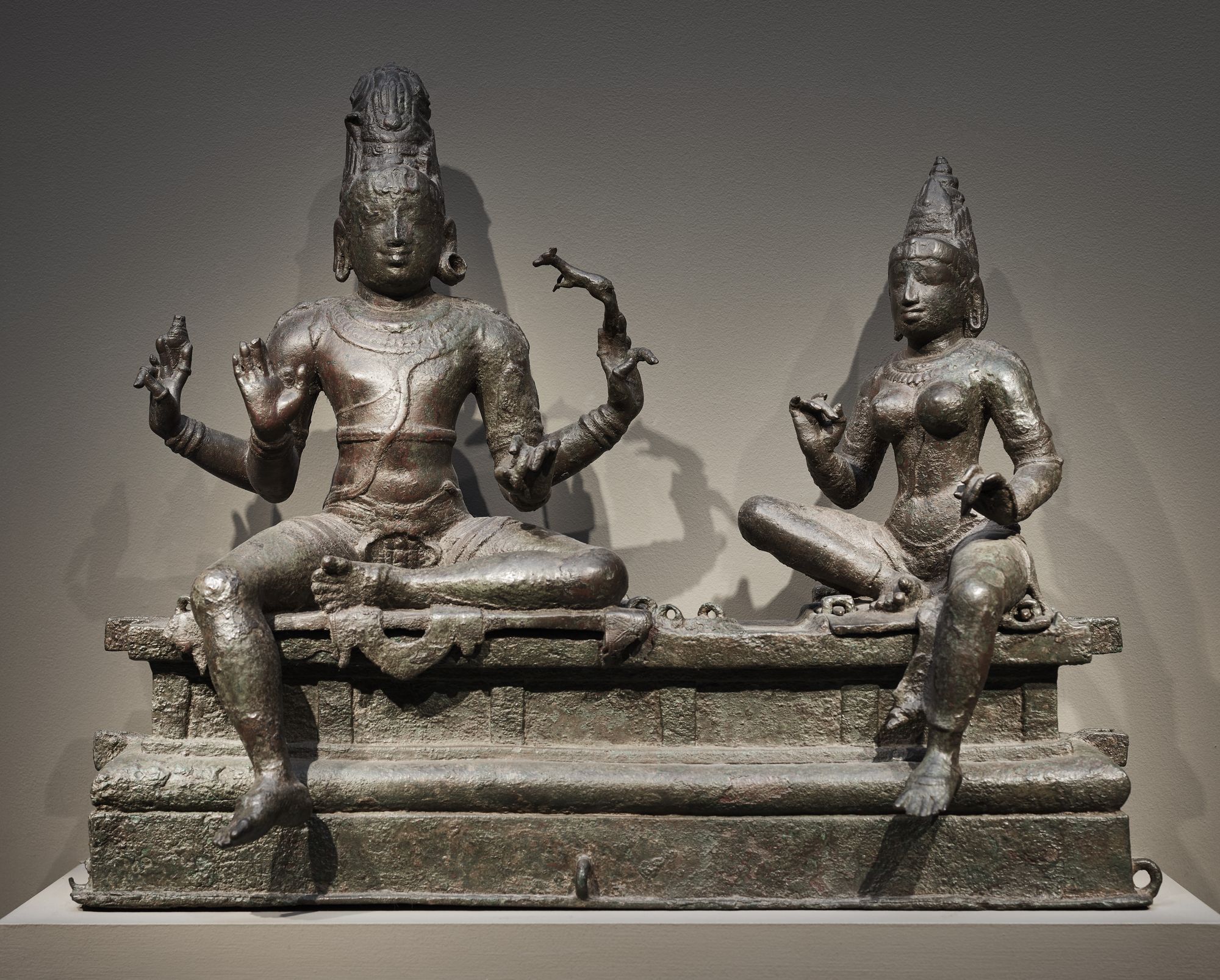
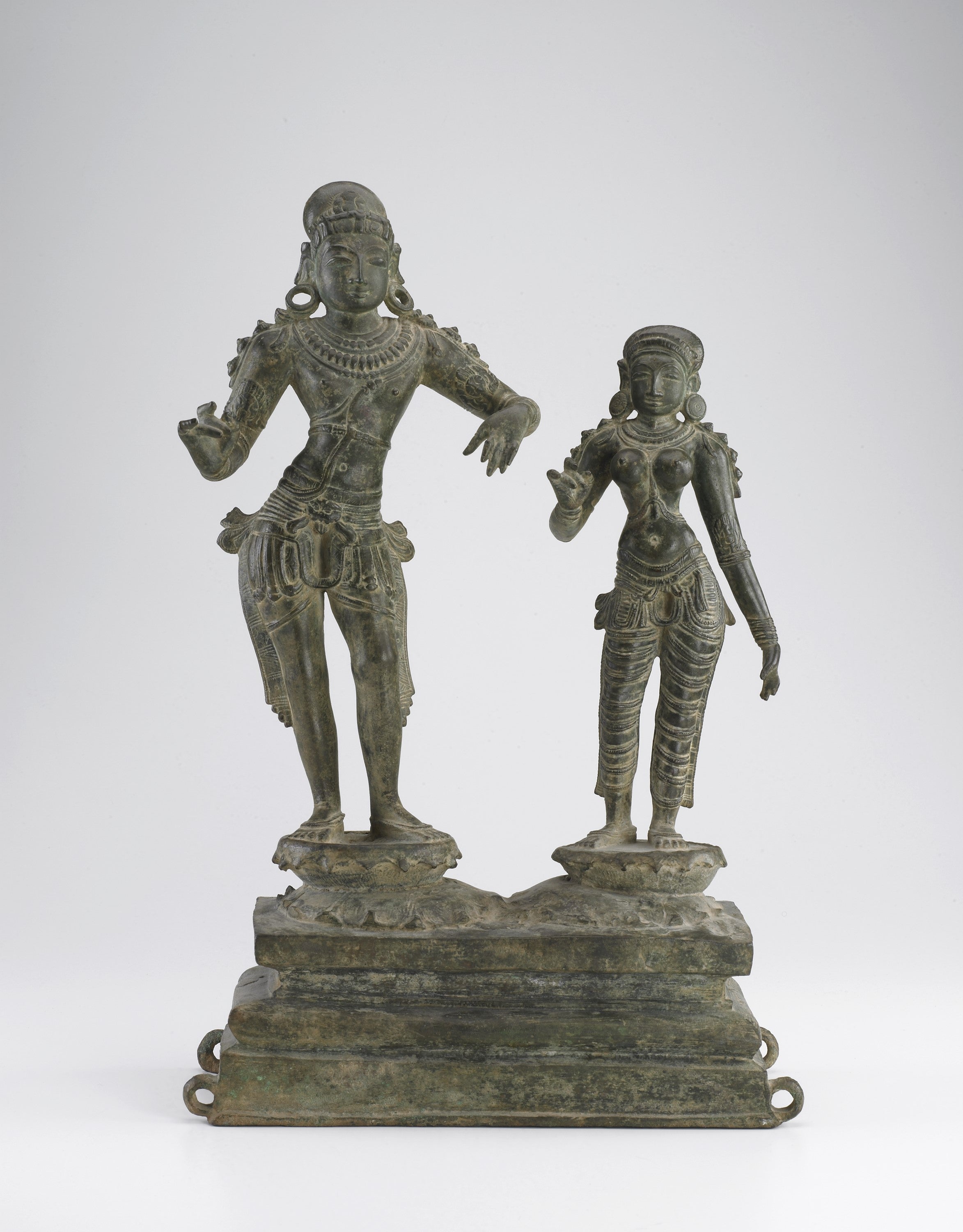
A 10th-century Shiva Nataraja, a 12th-century Somaskanda statue of Shiva with his family, and a 16th-century image of the poet-saint Sundarar with his consort Paravai will be handed over to the Indian government.
A museum spokesperson told The Independent the decision to return the statues followed extensive research into their origin.
This involved examining “archival records, dealer documentation and photograph evidence, including images taken in situ at temples in Tamil Nadu, which confirmed these sculptures had been removed without authorisation in the mid 20th century”.
According to the museum, the history of the statues became clear after it undertook a review of its South Asian collection. Photographs preserved in the Photo Archives of the French Institute of Pondicherry placed the sculptures in temples in the southern Indian state of Tamil Nadu between 1956 and 1959.
The museum shared the findings with Indian authorities and worked with them to advance the repatriation of the sculptures.
The Shiva Nataraja, depicting the Hindu deity as the cosmic dancer, will remain on display in Washington as part of an ongoing exhibition on loan from India. This will enable the museum to “share the full history of the sculpture with the public, from its creation to its return”. “In the galleries, the object will be interpreted transparently, with clear context about its origins and the collaborative process that led to its return, emphasising ethical stewardship and shared responsibility,” the spokesperson said.
However, this arrangement has raised questions about who has the authority to lend the sculpture.
Vijay Kumar, co-founder of India Pride Project, a volunteer group which investigates stolen Indian antiquities and works with authorities to ensure their repatriation, told Hyperallergic that temple bronzes weren’t state property. “It is a well-settled matter that bronzes are property of the temple,” he said. “So the government of India has no ownership over them to offer as a long-term loan. The ‘Nataraja’ was stolen from the Tirutturaipoondi temple and the temple is very much ready to receive it.”
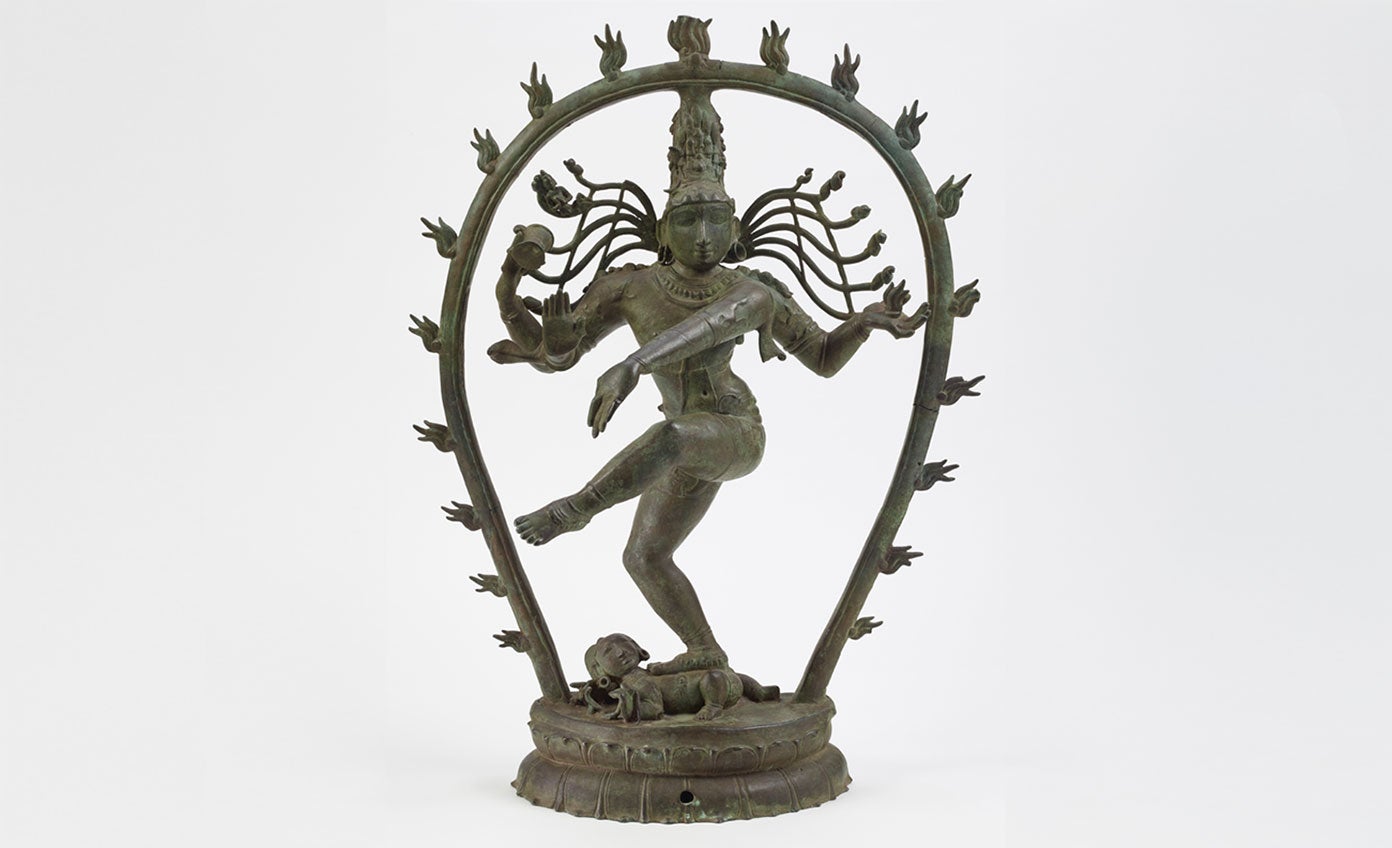
The National Museum of Asian Art acquired the Nataraja in 2002 from New York’s Doris Wiener Gallery, considered a leading dealer in Asian antiquities before it was implicated in selling looted artefacts.
Researchers found the gallery had provided falsified documentation to facilitate the sale.
According to Hyperallergic, India Pride Project researchers examined the sculpture’s provenance records published by the museum and found that Doris Wiener had purchased it in 1973 from Rajrama Art Gallery in London – after India passed its Antiquities and Art Treasures Act to prohibit any export of antiquities without government authorisation – but claimed in correspondence with a curator the purchase had taken place in 1972.
According to the museum, there’s photographic evidence of the Shiva Nataraja at the Sri Bhava Aushadesvara temple in Tirutturaipoondi in 1957 before its appearance on the art market.
The Independent has contacted India’s culture ministry for comment on the long-term loan of the Nataraja and its plans for the other two sculptures.
The other two bronzes will be handed over to the Indian embassy in Washington for return. They were part of a collection of 1,000 objects donated to the Smithsonian in 1987 by the pharmaceutical magnate Arthur M Sackler to inaugurate his namesake gallery.
According to the museum, its researchers found pictures in the archives of the French Institute of Pondicherry that showed the Somaskanda at the Visvanatha Temple in Tamil Nadu’s Alattur village in 1959 and the Sundarar statue at the Shiva Temple in Veerasolapuram village in 1956.
The images confirmed the sculptures had been illegally removed from the temples.
The museum’s director, Chase F Robinson, said the return of the sculptures reflected the institution’s commitment to ethical collecting. “The National Museum of Asian Art is committed to stewarding cultural heritage responsibly and advancing transparency in our collection,” he said, adding its research had “established field-defining practices for research on Asian art provenance and object histories”.
The American museum’s decision comes as British institutions face ongoing demands for the return of artefacts taken from former colonies or removed through illicit trade. Oxford University’s Ashmolean Museum has agreed to return a 15th-century bronze statue of the Tamil saint Tirumankai Alvar to India, subject to approval by the Charity Commission.
The British Museum, which holds the Parthenon sculptures taken from Greece in the 19th century, has faced pressure from the Greek government for their return, though it has said legal restrictions prevent permanent restitution.
Join our commenting forum
Join thought-provoking conversations, follow other Independent readers and see their replies
Comments
Bookmark popover
Removed from bookmarks