Brigitte Bardot: How the original ‘sex kitten’ courted controversy until the end
The Parisian actor was an icon of the sexual revolution, but in later life sparked outrage with her outspoken views on homosexuality, Islam and #MeToo, writes Kevin E G Perry
In 1958, an article in the LA Mirror asked: “Should we ban Brigitte Bardot?”
“Every time I pick up a newspaper or go by a theatre marquee there she is, blasted all over the place with her stringy, unkempt hair, her plunging necklines, her bare feet, her vapid eyes and her half-opened mouth,” complained columnist Dick Williams. “Her casual attitude towards marriage is both shocking and immoral.”
The pearl-clutching journalist wasn’t alone in being outraged by Brigitte Bardot. The Parisian actor, model and animal rights activist, who has died at the age of 91, lived a life that was never far from scandal.
She became an international star with the release of 1956’s And God Created Woman, in which she played a scantily clad teenage orphan with a free-spirited attitude to sex. The film made $4m in the United States, a record at the time for a foreign film. It was helped rather than hindered by the uproar over Bardot’s performance and appearance. The film was banned in several states, while a district attorney in Philadelphia declared it to be of a “lascivious, sacrilegious, obscene, indecent, or immoral nature”. No wonder audiences couldn’t get enough.
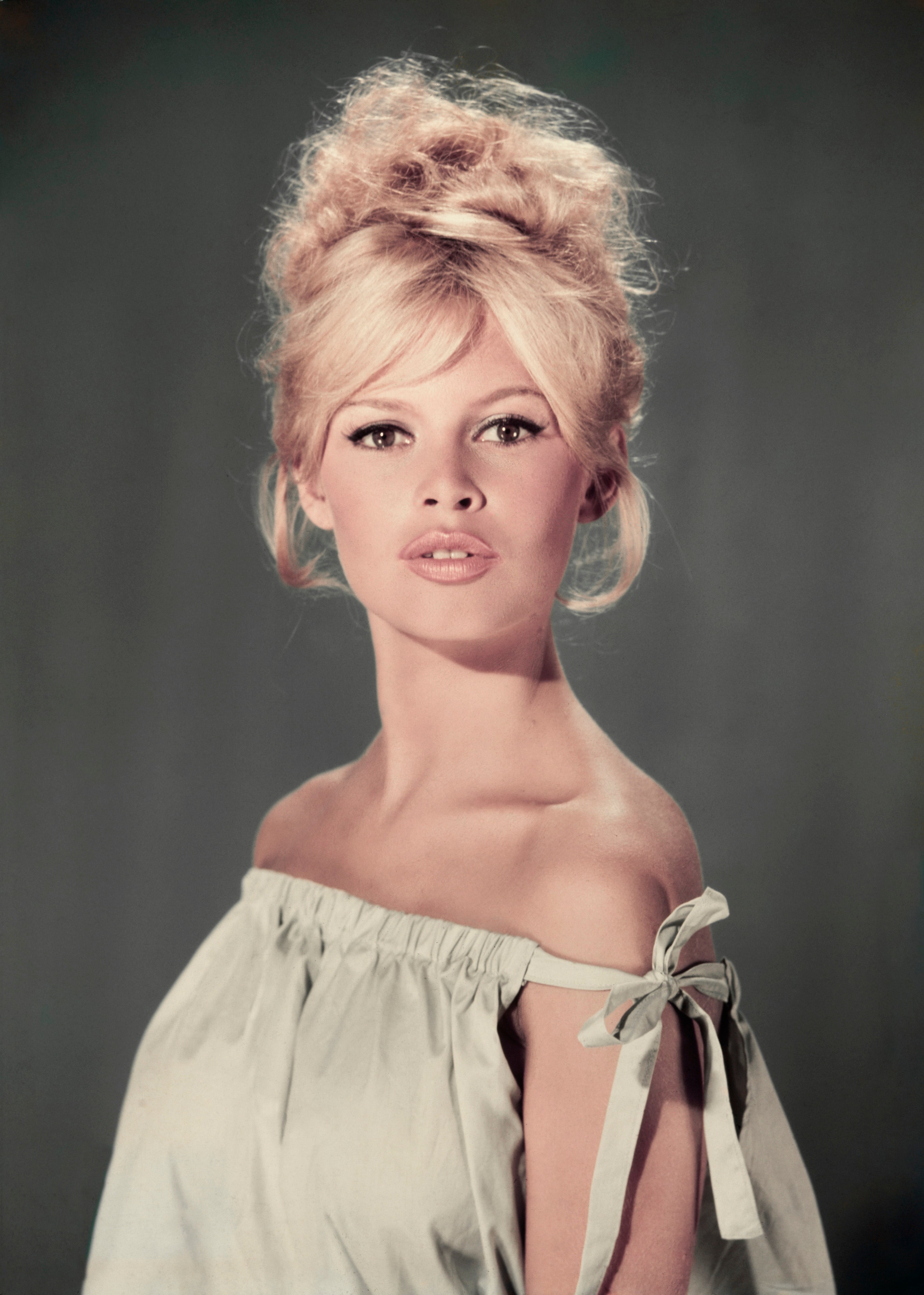
The philosopher Simone de Beauvoir wrote an essay in 1959 titled “The Lolita Syndrome” about Bardot’s youthful appeal, observing that “a saint would sell his soul to the devil merely to watch her dance.” Bardot’s early film roles were credited with igniting the sexual revolution on both sides of the Atlantic, and the phrase “sex kitten” was coined specifically to describe her. She refused to work in Hollywood, turning down several sizeable financial offers, and quit acting entirely before she turned 40.
In recent years, she attracted a different sort of controversy, fined by the French government both for making hurtful remarks in her memoir about wanting to abort her son and for inciting racial hatred with comments about Islam and Réunion islanders. Since her retirement, she had dedicated her time to her own animal welfare charity, the Brigitte Bardot Foundation. “I gave my youth and beauty to men,” she once said. “I am going to give my wisdom and experience to animals.”
Bardot was born in Paris on 28 September 1934. She grew up in an upper-middle-class family and attended private school before enrolling in the Conservatoire de Paris in 1949 to study ballet. At the age of 15, she was photographed for the cover of Elle magazine, which brought her to the attention of filmmakers. She auditioned for a film by director Marc Allégret, and while she didn’t get the part, she did fall in love with the screenwriter Roger Vadim. Her parents forbade the 16-year-old Bardot from marrying Vadim, who was 22, and she attempted suicide. The couple eventually married in 1952, after Bardot turned 18.
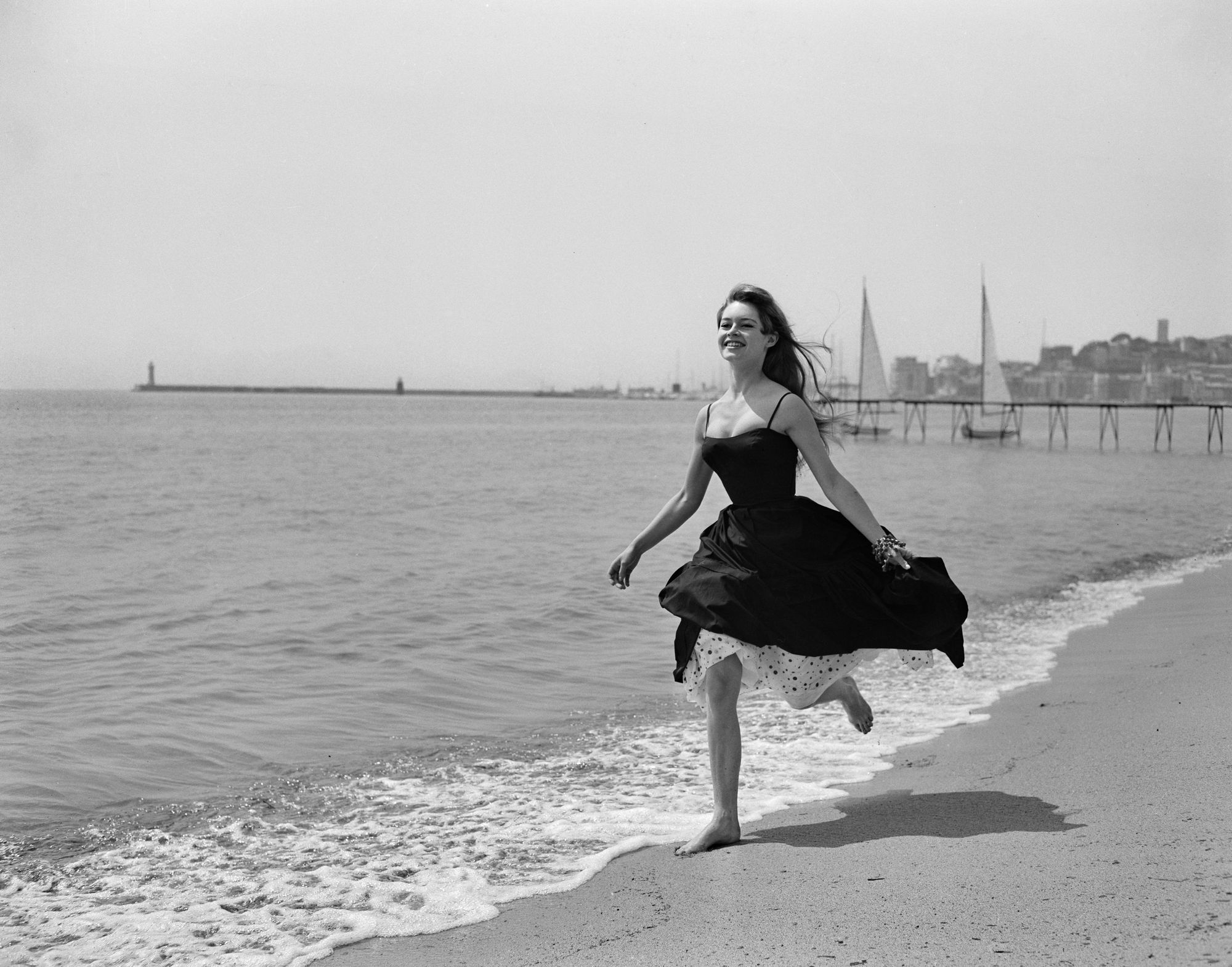
She had already made 15 films with varying degrees of success before Vadim cast her in his directorial debut, And God Created Woman. The film was a sensation, although it ended their marriage when Bardot had an affair with her co-star Jean-Louis Trintignant. Although Bardot and Vadim divorced, they continued to work together. By 1958, she was the highest-paid actress in France.
In 1959, Bardot married fellow actor Jacques Charrier, and they had a son, her only child, Nicolas-Jacques, early the following year. Bardot wrote in her 1996 memoir about her unhappiness at becoming pregnant, describing her unborn son as a “cancerous tumour”. She said she repeatedly punched herself in the stomach and asked a doctor for morphine, as abortion was illegal in France at the time. She told a press conference she would have “preferred to give birth to a little dog”. In 1997, she and her publisher were ordered to pay £28,000 in damages to Charrier and her son over the remarks.
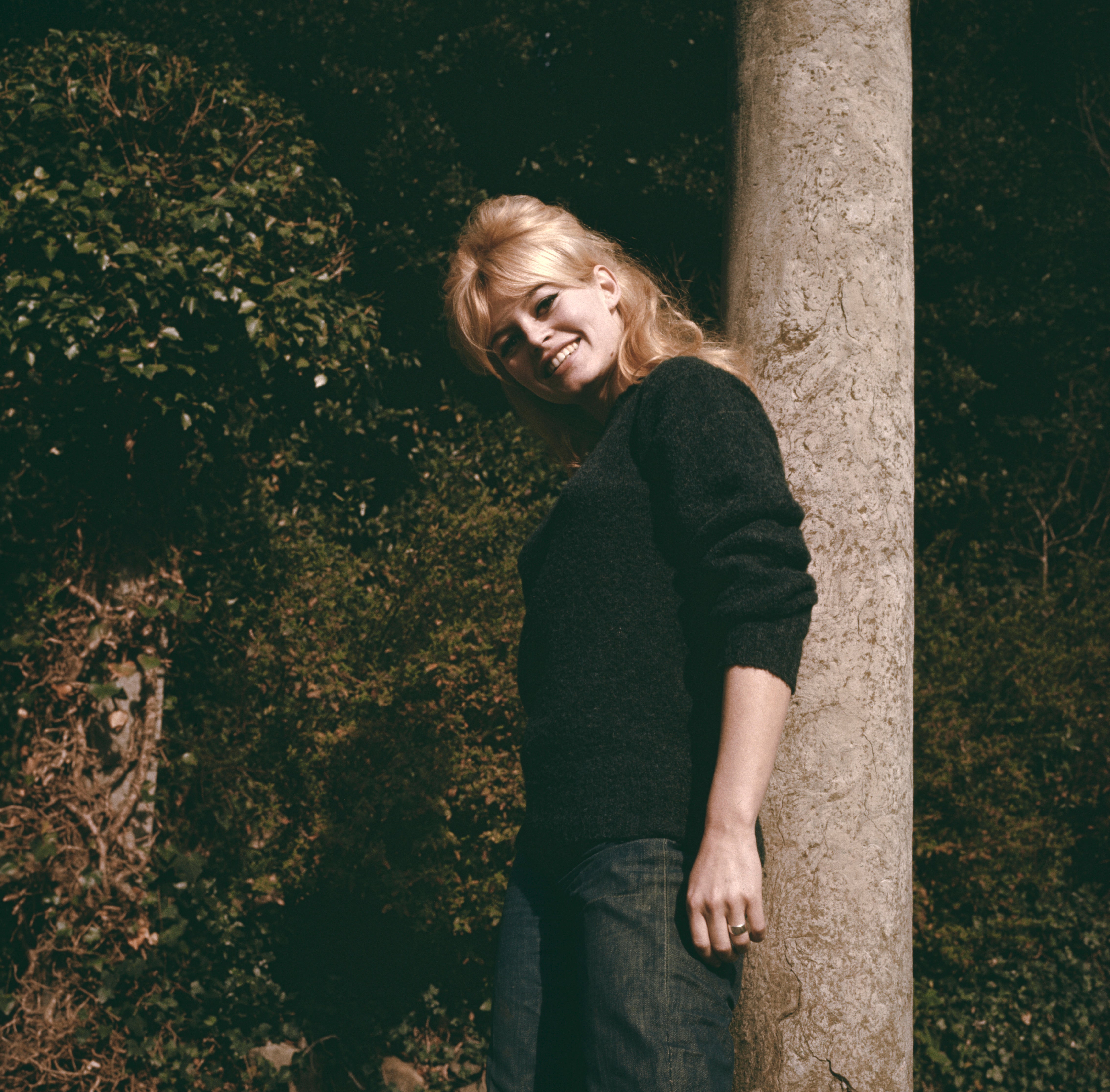
Shortly after giving birth, Bardot starred in the courtroom drama La Vérité (The Truth). It was one of the best-received films of her career, earning a nomination for the Academy Award for Best Foreign Film, but the production was troubled. She had an affair with one of her co-stars, Sami Frey, and attempted suicide again during her messy break-up with Charrier.

Watch Apple TV+ free for 7 day
New subscribers only. £9.99/mo. after free trial. Plan auto-renews until cancelled.
ADVERTISEMENT. If you sign up to this service we will earn commission. This revenue helps to fund journalism across The Independent.
Watch Apple TV+ free for 7 day
New subscribers only. £9.99/mo. after free trial. Plan auto-renews until cancelled.
ADVERTISEMENT. If you sign up to this service we will earn commission. This revenue helps to fund journalism across The Independent.
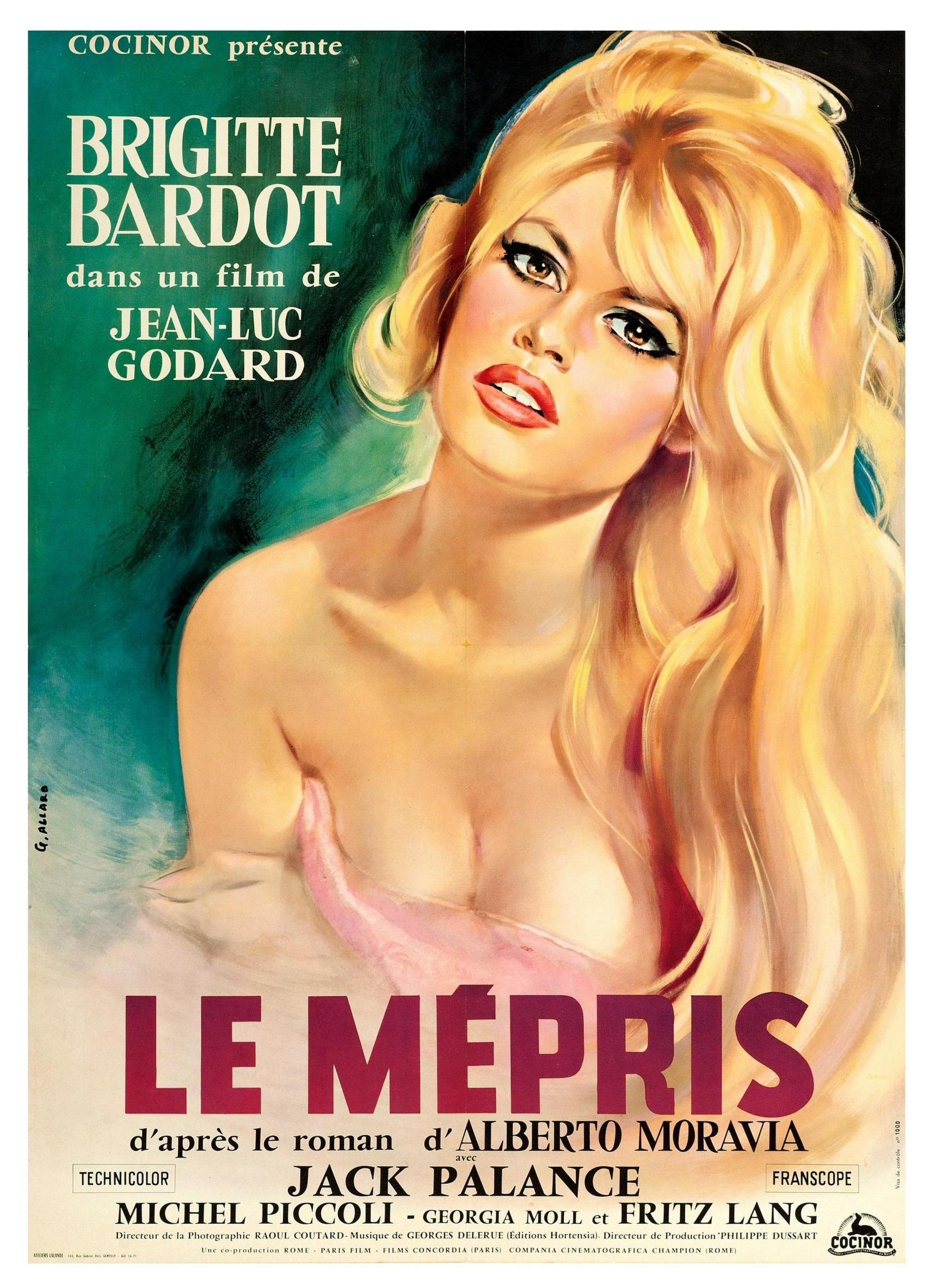
Arguably, Bardot’s finest screen performance came in Jean-Luc Godard’s 1963 drama Le Mépris (Contempt), playing the wife of a playwright as their marriage disintegrates and she begins an affair during the production of a film adaptation of Homer’s Odyssey.
That same year, Bardot released her debut album, Brigitte Bardot Sings, featuring covers of songs by various French musicians, including Serge Gainsbourg. The pair had first met in 1959, when Gainsbourg had a small role in her 1959 film Voulez-vous danser avec moi? (Come Dance With Me) but reunited in 1967 and became lovers. After a disappointing date, she challenged him to write for her as penance “the most beautiful love song he could imagine.” In response, that night he composed “Bonnie and Clyde” and “Je t’aime... moi non plus” for her.
They recorded both songs together, releasing the former on his 1968 album Initials B.B., but the latter proved problematic as it included the pair indulging in what the recording engineer described as “heavy petting”. At the time, Bardot was married to the millionaire Gunter Sachs, who furiously demanded that the song not be released. Gainsbourg acquiesced and re-recorded it with Jane Birkin, while the original Bardot version was eventually released years later.
In 1973, Bardot reunited with her first husband Vadim to star in his film Don Juan ou Si Don Juan était une femme… (Don Juan, or If Don Juan Were a Woman) and gave her final screen performance in the comedy L’histoire très bonne et très joyeuse de Colinot Trousse-Chemise (The Edifying and Joyous Story of Colinot). She subsequently announced her retirement from both film and music, aged 39, saying she wanted “a way to get out elegantly.”
She moved to Saint-Tropez, the glamorous Riviera town she had helped put on the map years earlier when it provided the setting for And God Created Woman. She lived there largely as a recluse, devoting herself to animal activism and establishing her own charity in 1986.
In 1992, she married her fourth and final husband, Bernard d’Ormale, an adviser to the ultra-right-wing National Front leader Jean-Marie Le Pen. In her later years, she became prone to causing offence with her public remarks. In a 2004 book, she referred to gay people as “fairground freaks”, complained about “the scandal of unemployment benefits”, and claimed that France was being “infiltrated” by “sheep-slaughtering Muslims.”
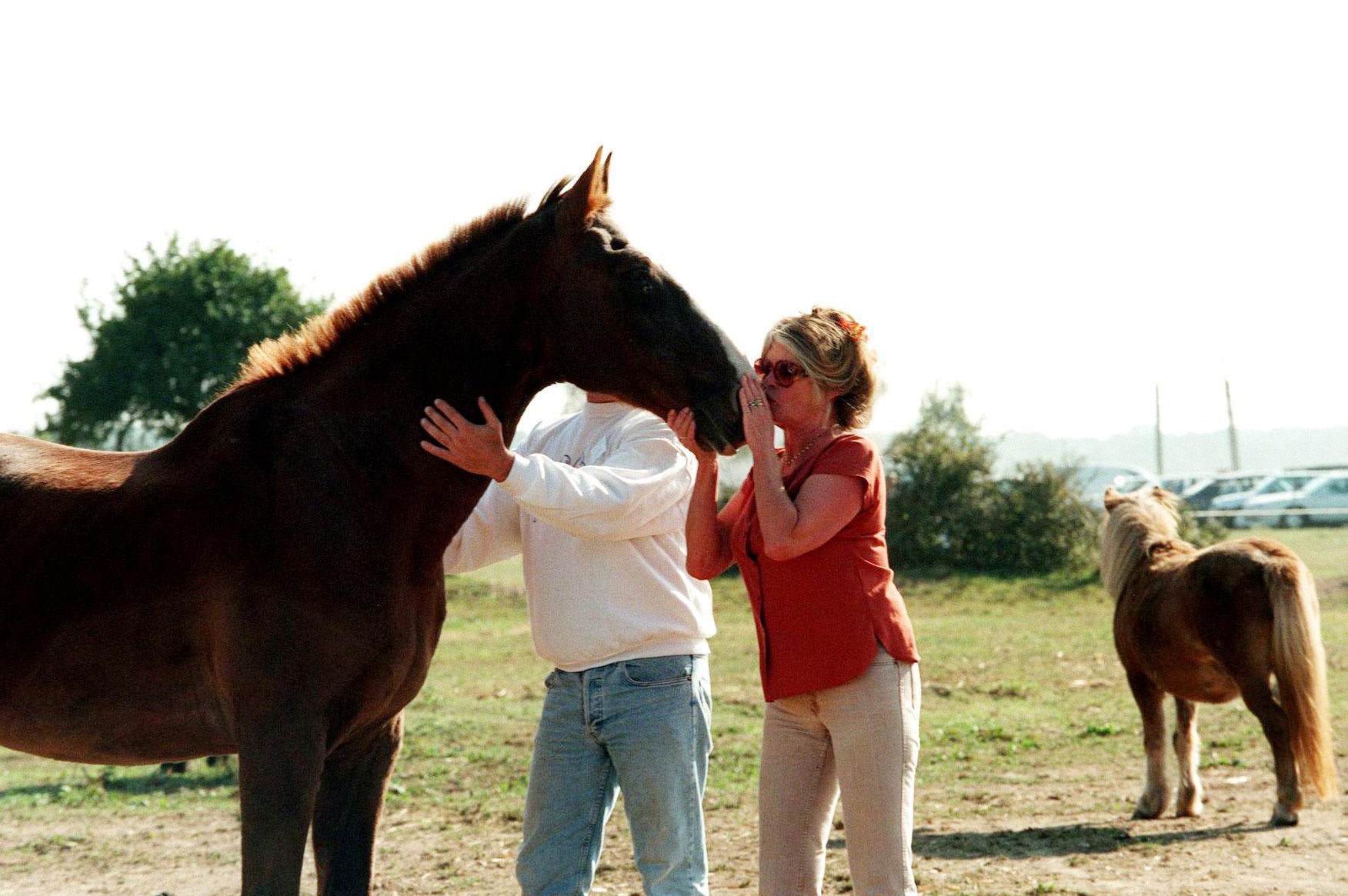
Between 1997 and 2008, she was hauled into court five times on charges of inciting racial hatred, and was fined €15,000 for saying: “I am fed up with being under the thumb of this population [the Muslim community] which is destroying us, destroying our country and imposing its acts.” In 2019, she was sued by officials from the French island of Réunion after writing in an open letter that its inhabitants were “aboriginals who have kept the genes of savages”.
She continued to be outspoken until her death. In one of her final interviews, conducted in May 2025 on French television, she disparaged the #MeToo movement, defended Gérard Depardieu against sexual assault allegations, and declared: “Feminism isn’t my thing. I like guys.”
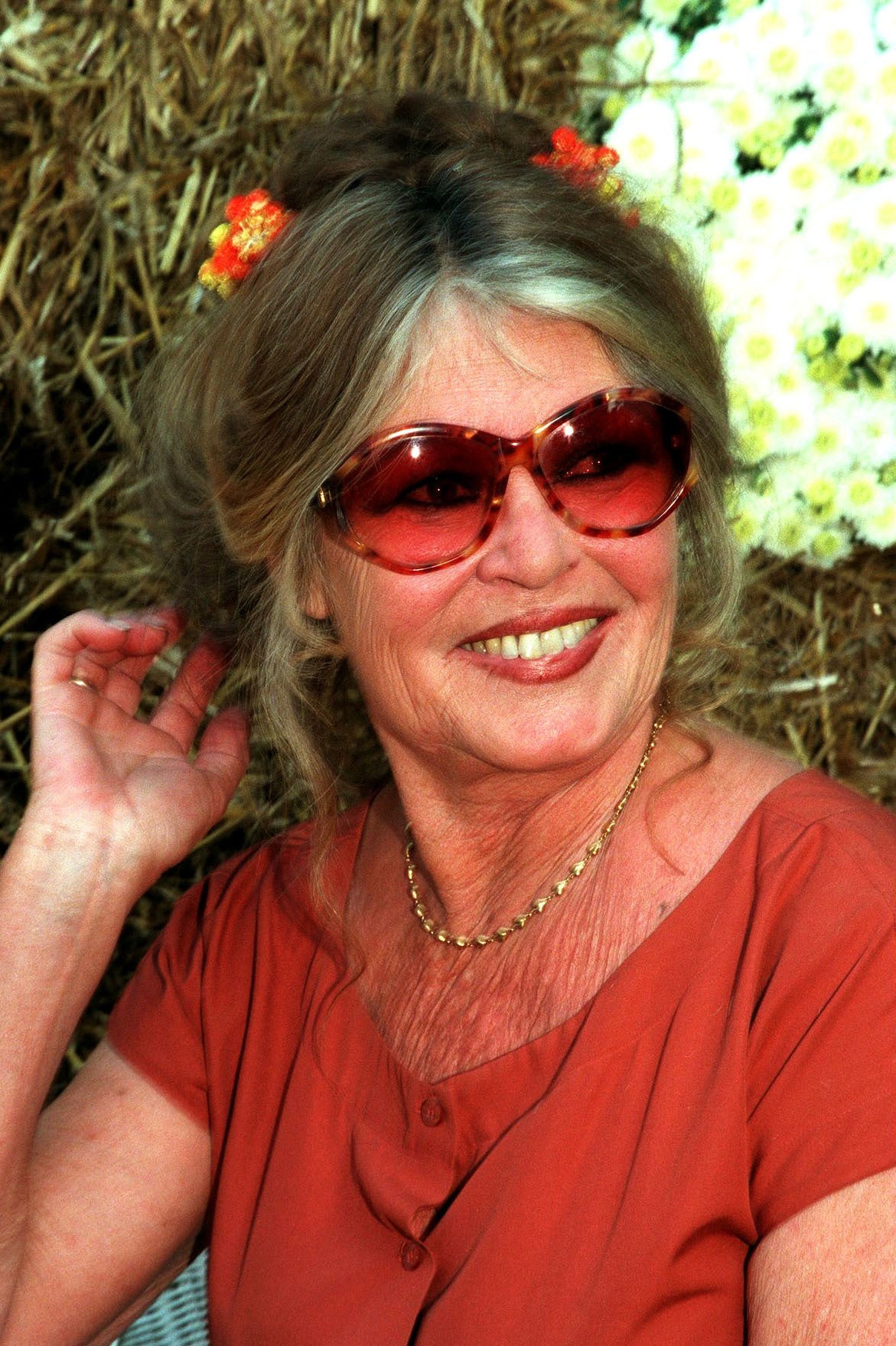
While some of Bardot’s views may have been retrograde, her progressive influence on style and culture remains undimmed. She is surely the only person ever to have been mentioned by name in songs by Bob Dylan, the Red Hot Chili Peppers, Olivia Rodrigo and Chappell Roan. As a fashion icon, she is credited with popularising everything from striped shirts and gingham dresses to ballet flats and the bikini.
Even now, after her death, she will likely remain a muse and continue to inspire new art. As for her own creative career, she reflected in her 2025 interview that she had no regrets about retiring so young. “I had nothing more to say,” she explained. “I am aware that not everyone liked it. In my life, I was often photographed and filmed. Now I love nature, peace. Many people were angry with me for that.”
Join our commenting forum
Join thought-provoking conversations, follow other Independent readers and see their replies
Comments
Bookmark popover
Removed from bookmarks