Peter Jackson makes career admission after not making a feature film for 11 years
Director said he is ‘more excited’ about his scientific project that seeks to ‘de-extinct’ the Moa bird
Peter Jackson has denied rumours that he has retired as a director, but admitted that he is “more excited” about a scientific project instead.
The New Zealand filmmaker has not made a feature film since 2014’s The Hobbit: The Battle Of The Five Armies. Since then, he has made the World War I documentary They Shall Not Grow Old (2018) for the BBC and The Beatles: Get Back (2021) for Apple TV+.
Jackson, 60, told Screen Rant that he is currently working on at least three scripts for feature films, including a new Lord of the Rings adaptation.
“We are producing and have been writing The Hunt for Gollum, which Andy Serkis is going to direct next year,” said the filmmaker. “I've enjoyed working on docs, whether they show I’ve grown old or not, and obviously the Get Back Beatles project. I've enjoyed doing various things with The Beatles, which is great, and that'll probably carry on.”

Jackson, however, went on to say that he is “more excited” about an ongoing project that has nothing to do with film: a scientific attempt to bring the Moa, a giant bird, back from extinction.
“To me, de-extincting the Moa [bird] would be just as exciting, if not more exciting, than any film I could possibly make,” he continued.
“I've made a lot of movies, but to see the giant Moa brought back would be a level of excitement that I think would supersede anything at this point in time."
The Texas-based Colossal Biosciences has announced an effort to genetically engineer living birds to resemble the extinct South Island giant moa, which once stood 12 feet (3.6 meters) tall, with $15 million (£11m) in funding from Jackson. The collaboration also includes the New Zealand-based Ngāi Tahu Research Centre.
It is not the first attempt Colossal has made at resurrecting a species. Earlier this year, scientists successfully bred designer gray wolves with genetic similarities to the extinct dire wolf.

Watch Apple TV+ free for 7 day
New subscribers only. £9.99/mo. after free trial. Plan auto-renews until cancelled.
ADVERTISEMENT. If you sign up to this service we will earn commission. This revenue helps to fund journalism across The Independent.
Watch Apple TV+ free for 7 day
New subscribers only. £9.99/mo. after free trial. Plan auto-renews until cancelled.
ADVERTISEMENT. If you sign up to this service we will earn commission. This revenue helps to fund journalism across The Independent.
It is, however, the first time they have tried to raise a bird. Given that bird embryos develop inside eggs, this endeavour presents different challenges to mammalian IVF.
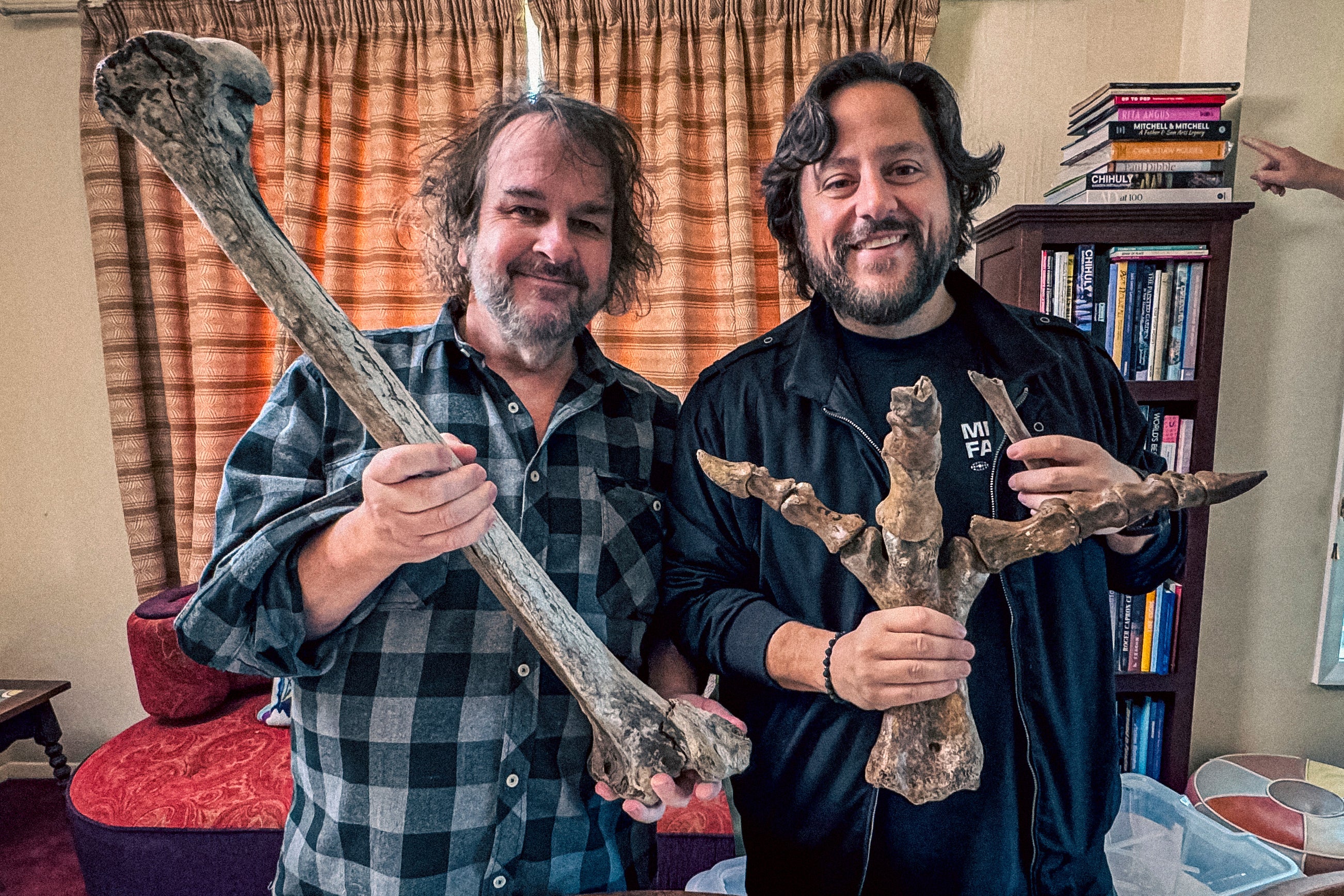
Colossal says it aims to resurrect the species within five to 10 years.
The first stage of the project will be to identify well-preserved bones from which it may be possible to extract DNA, said Colossal’s chief scientist Beth Shapiro.
Join our commenting forum
Join thought-provoking conversations, follow other Independent readers and see their replies
Comments
Bookmark popover
Removed from bookmarks