The Independent's journalism is supported by our readers. When you purchase through links on our site, we may earn commission.
Meet the Brontë superfans who despise Emerald Fennell’s Wuthering Heights: ‘It was disappointing and upsetting’
The Margot Robbie-starring adaptation has divided critics and book enthusiasts alike
Emerald Fennell’s controversial adaptation of Wuthering Heights only crashed into cinemas this week but it’s already a firm frontrunner for most divisive film of the year. The bodice-ripping blockbuster has split critics, cinema-goers and even the Independent’s Culture Desk with its raunchy deviations from Emily Brontë’s classic novel, ‘whitewashed’ casting and “pantomime-esque” performances from its leads.
However, Fennell’s take on Wuthering Heights has sparked the biggest divide within the global community of Brontë superfans – some of whom refuse to even watch the film.
Since the film’s racy first trailer dropped in September, literary fans have flocked to message boards and TikTok groups with their thoughts. While some were “open” to Fennell’s hyper-sexualised interpretation, others – including BookTok influencer Kylee Smith – urged her to change the film’s title.
“I think this conversation wouldn’t be happening if she just called the movie something else,” Smith, 30, tells The Independent. “I would probably see a movie that had Margot Robbie and Jacob Elordi in beautiful outfits on the moors.”
The Ohio-based creative, who’s been a Wuthering Heights enthusiast since her teens, is one of the book fans who won’t be watching the film.
“I have no intention to see it in [cinemas],” she says. “With the casting decisions she’s made, I’m not going to waste my time and spend the money. I’d rather re-read the book – which is what I’m doing.”
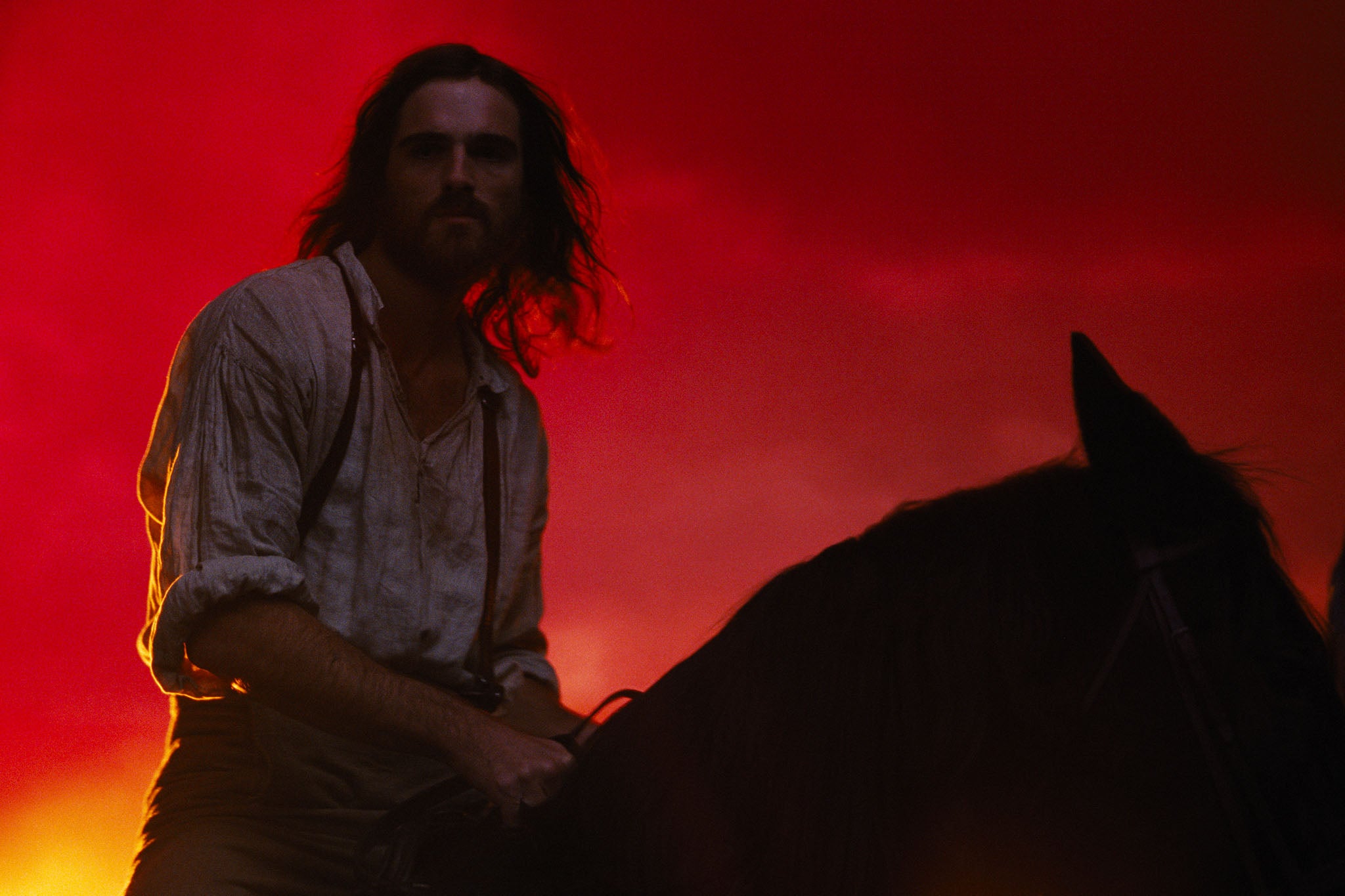
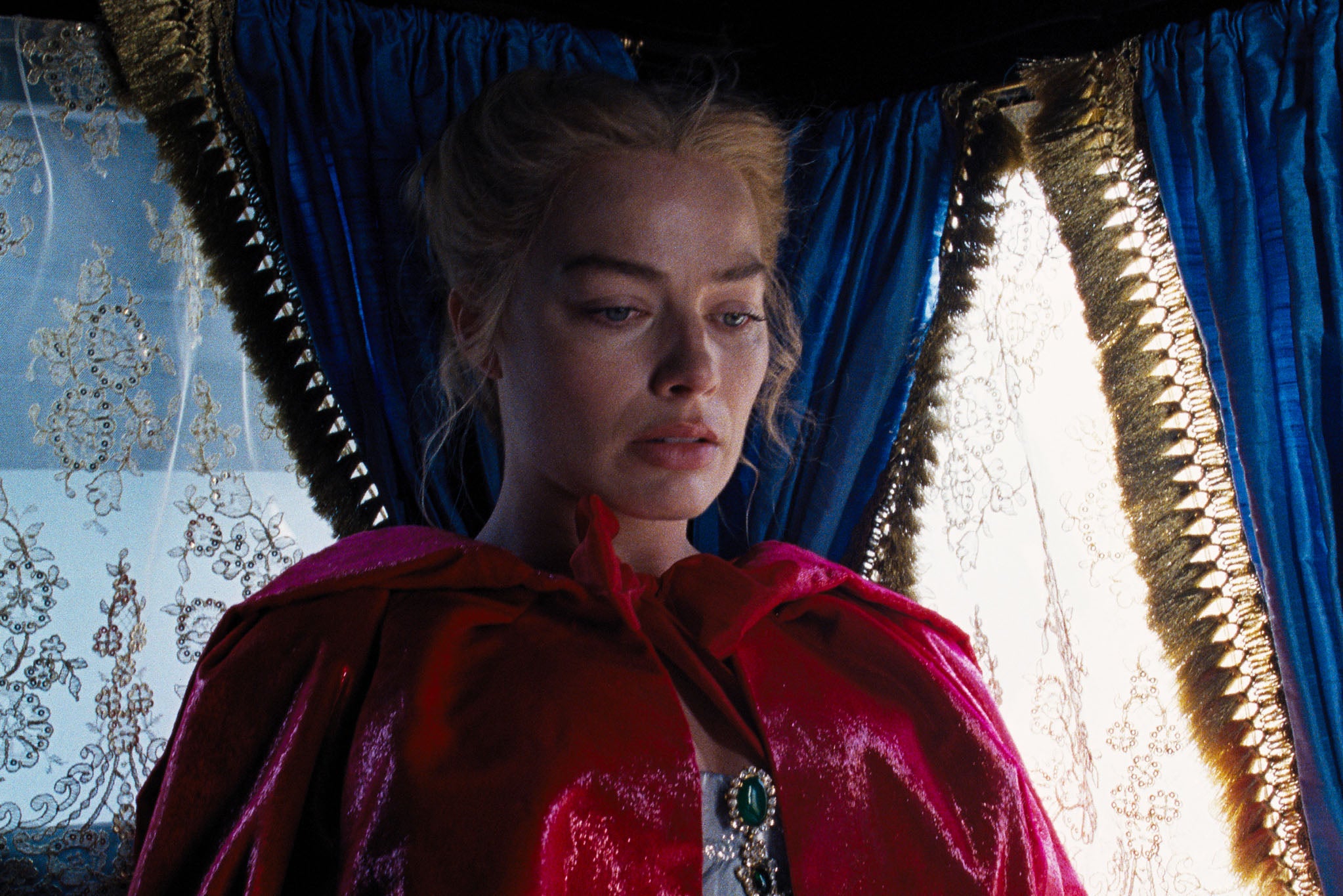
The casting of Barbie’s Margot Robbie, 35, and Saltburn’s Jacob Elordi, 28, as the strong-willed Cathy and cruel antihero Heathcliff have frustrated many book fans – particularly around Heathcliff’s ethnicity. The character is described as a “dark-skinned” foundling in the book.
Brontë fan and art historian Eliza Goodpasture, who is publishing a new edition of Wuthering Heights, found the absence of any discussion around race to be disappointing. “Him being described as not white in the book is so unusual in Victorian literature,” she says.
“The total lack of engagement with that is definitely a missed opportunity to do something interesting and more meaningful. Similarly, Cathy is supposed to be a teenager so it was an interesting choice to cast someone who is so much older. It felt just weird.”

Watch Apple TV+ free for 7 day
New subscribers only. £9.99/mo. after free trial. Plan auto-renews until cancelled.
ADVERTISEMENT. If you sign up to this service we will earn commission. This revenue helps to fund journalism across The Independent.
Watch Apple TV+ free for 7 day
New subscribers only. £9.99/mo. after free trial. Plan auto-renews until cancelled.
ADVERTISEMENT. If you sign up to this service we will earn commission. This revenue helps to fund journalism across The Independent.
Fennell’s character changes have also been a point of contention among book fans – from her choice to excise Cathy’s villainous brother Hindley Earnshaw from the story, to her portrayal of the brutalised Isabella Linton (Alison Oliver) as Heathcliff’s collar-wearing submissive.
“Isabella is a powerful character in the book – she escapes her abusive relationship with Heathcliff and moves to London to raise her son,” Brontë enthusiast and TikTok influencer Emie Grimwood says.
“In the film, she’s written as this submissive. It feels like Emerald Fennell took a domestic abuse victim and turned it into a BDSM dynamic. I don’t think that was appreciated at all by people who loved Isabella in the books.
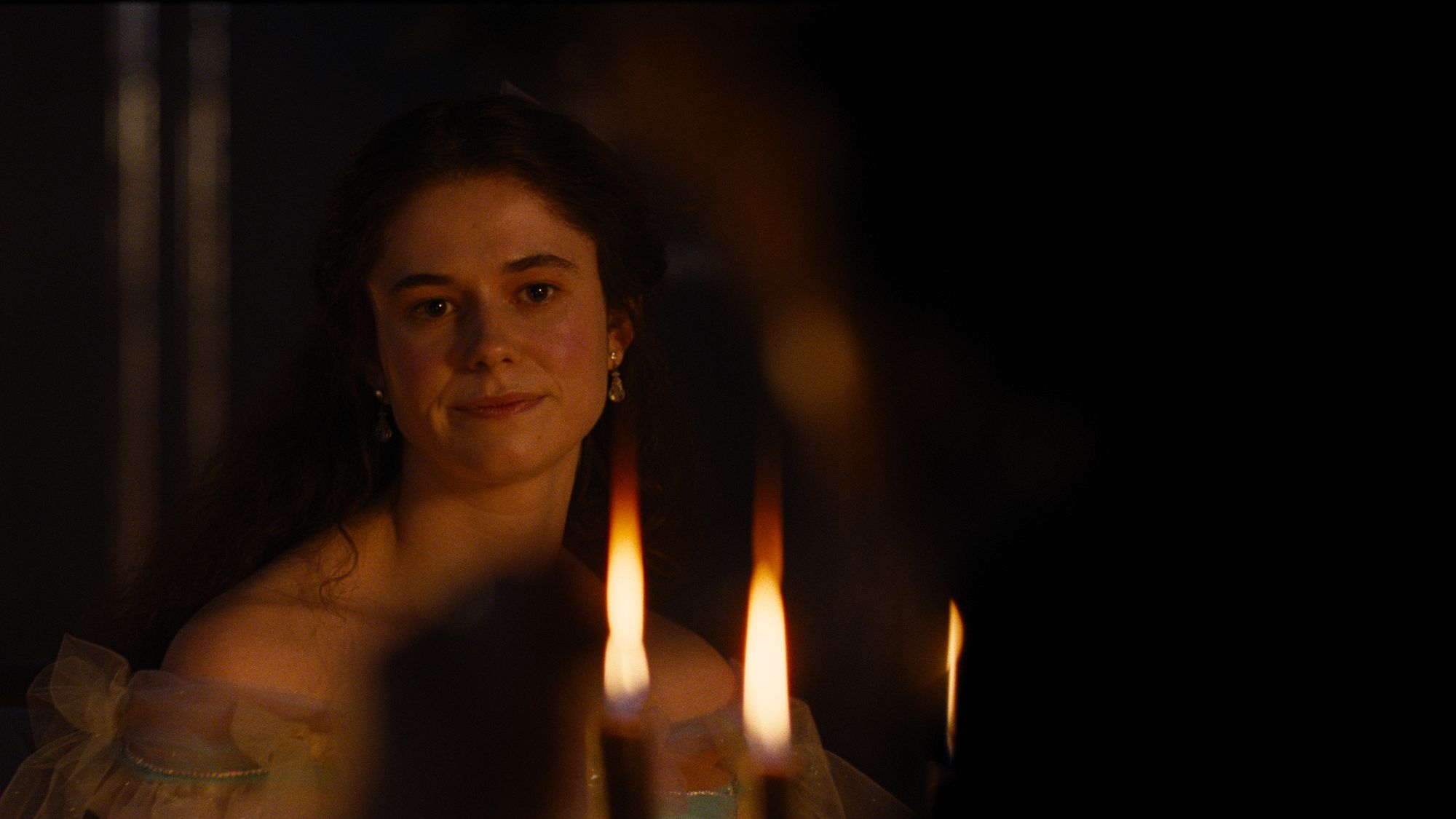
“She had potential to make Isabella this incredible character [by the standards] of that time, and an empowerment figure of this time. But she didn’t. That was quite disappointing.”
Kylee agrees: “I think the way that Isabella is treated as a consenting enthusiastic participant in her abuse and then framing that abuse as kink is a really poor choice. It’s upsetting.”
Fennell defended her portrayal of Isabella and Heathcliff’s relationship by saying that the book’s description was “so shocking to people” at the time. Speaking about one scene in which Isabella is chained up like a dog at her husband’s feet, she told Entertainment Weekly: “I visually added some things to that scene, but it is almost all Brontë.”
However, the author’s fans don’t think she would have enjoyed Fennell’s “bastardisation” of her seminal 179-year-old text.
“Politely, I don’t think she would have liked it,” Smith says.
“She would have hated having the title attached to it,” Grimwood says. “It flattens Heathcliff and Cathy’s relationship into a spectacle of two toxic people who hurt themselves and all the people around them. There’s more to the meat of Wuthering Heights than just that.”
Goodpasture adds: “A lot of the major themes of the book are about death, grief and loss, and that was central to Emily Brontë’s life – she lost her mother and two of her sisters. That wasn’t very present in the film because it was so focused on the romance.
“There wasn’t that sense of grief and gothic haunting and I think Emily would have missed that.”
Although she admits that the author may have appreciated some of Fennell’s more “radical” directorial choices. “When her book was published, it also made a huge stir and was incredibly divisive. I would love to hear her take.”
Grimwood says she thinks Brontë would have at least watched the film. “She would have appreciated the visual beauty of it and the interpretation of it,” she says. “But, like a lot of us, she probably would have hated the fact that it claimed to be Wuthering Heights.”
Join our commenting forum
Join thought-provoking conversations, follow other Independent readers and see their replies
Comments
Bookmark popover
Removed from bookmarks