‘He seemed creatively unstoppable’: A new Bowie documentary reassesses one of his most maligned periods
A new Channel 4 documentary aims to provide a fresh perspective on the most critically and commercially tumultuous period of Bowie’s career, and reflect on how this led to his swansong, ‘Blackstar’. Roisin O’Connor speaks with director Jonathan Stiasny
After the success of his 10-million selling 1983 album Let’s Dance, David Bowie felt, as he put it, “rather rootless”, struggling with the sense that he was being lumped into one, admittedly revered, box. Determined to stick to his chameleonic ways, he flailed both critically and commercially with follow-up albums such as his band’s adventurous self-titled 1989 record Tin Machine and 1993’s The Buddha of Suburbia. One particularly savage review in Melody Maker of 1991’s Tin Machine II closed with the remark, “Sit down, man, you’re a f***ing disgrace,” which Bowie’s longtime PR Alan Edwards told writer John Wilde had reduced the musician to tears.
A new Channel 4 documentary now sets out to explore what is described as a “relatively unexamined” period of David Bowie’s musical output as well as the later years building towards his final masterpiece, Blackstar, released days before his death aged 69 on 10 January 2016. Directed by Jonathan Stiasny, it includes commentary from some of those closest to him, including producer Tony Visconti, guitarist Earl Slick and promoter John Giddings, as well as archive footage and interviews with Bowie himself.
“The 1990s are a relatively unexamined period of Bowie’s musical output, but for him this was a time both of creative struggle and renewal,” Stiasny argues. “One which ultimately led to a late career revival and his remarkable final albums. This is all fertile ground for a documentary that attempts to understand something about art, mortality and the mysterious power of creativity.”
He says that the “range and depth” of Bowie’s creative output during the Nineties proved a source of “constant amazement”, but was also astonished to learn about the musician’s string of secret gigs at raves and dance tents.
“He was and is a bit of an enigma,” Stiasny says. “Almost unique in his ability to change directions across the decades while staying culturally and musically relevant. He seemed creatively unstoppable, if it wasn’t music and art where he found an outlet for a particular creative impulse, it would have been theatre or film.”
He continues: “There have been few (if any) such artists before or since, and I think that remains endlessly fascinating for people. Lots of Bowie’s fans talk about him and his music providing them with a sense of connection where they felt like outsiders. So much so that during his life, many of his fans would say he offered them an example of how to live. Looking back now, 10 years after his death, Bowie remains an artist who can show us how to change, reinvent and move forward; even when confronting the ultimate end.”
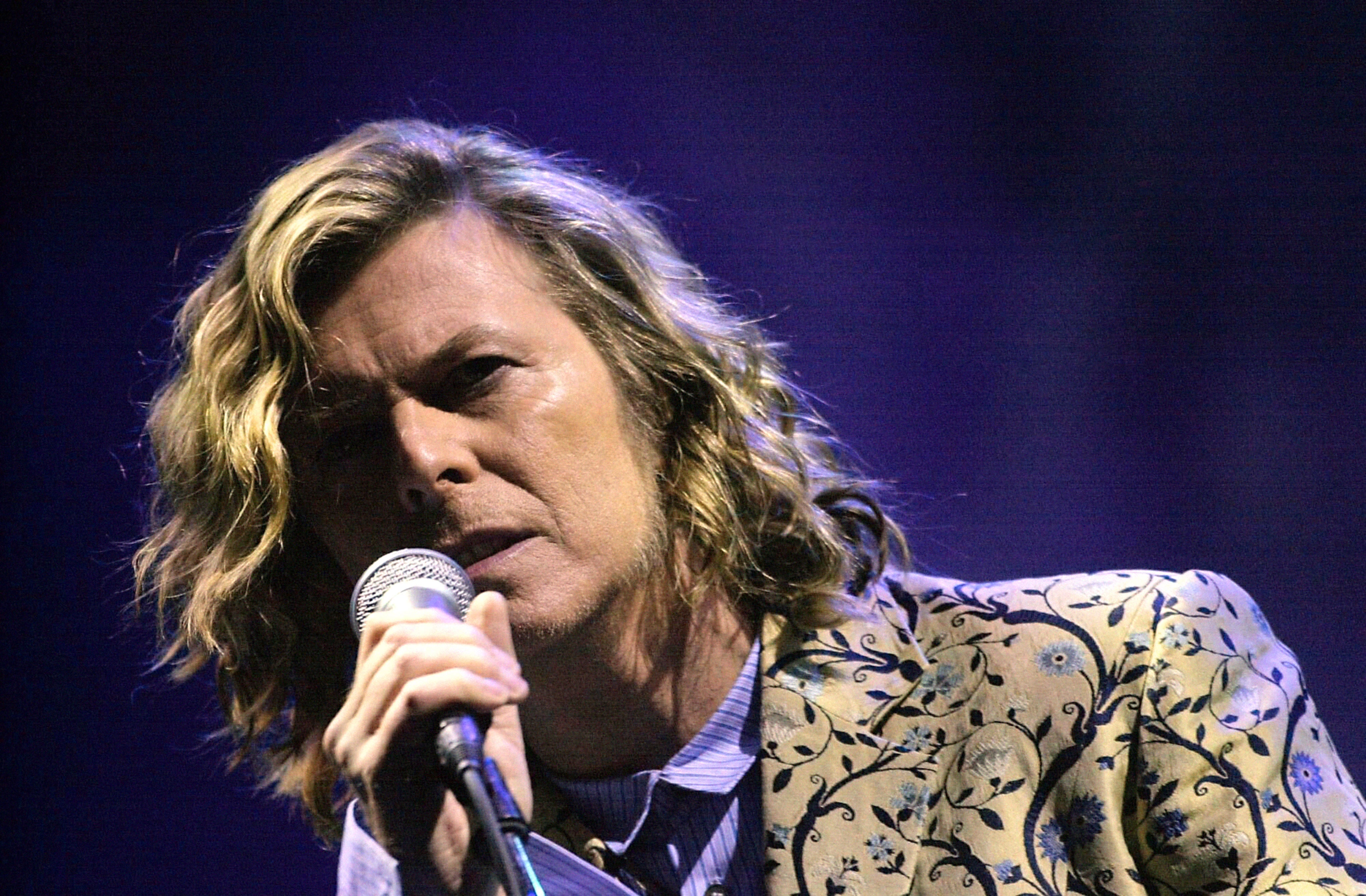
Bowie dealt with a number of health challenges in his later years, including a series of heart attacks onstage four years after his triumphant Glastonbury headline performance in 2000. Footage shows him at the T-Mobile Arena in Prague in 2004, clutching at his heart and clearly in distress. “I’m sorry, I can’t continue, I’m in too much pain,” he tells the audience, before staggering into the wings. Three days later, he got through a full set at the Hurricane Festival in Germany, only to collapse after coming offstage. It was later reported that he’d suffered two heart attacks. “It was a very weird ending,” Slick says. “And then there was just silence for a while. Nine years of it.”
After that protracted period of quiet, Bowie returned without warning on his 66th birthday, in January 2013, releasing the single “Where Are We Now?”. Two months later, he shared his 25th album, The Next Day – his first studio record in a decade. “David wanted it to be a complete surprise,” Visconti says. “And then we watched the internet light up… ‘David Bowie made a new record! What the f***?’”
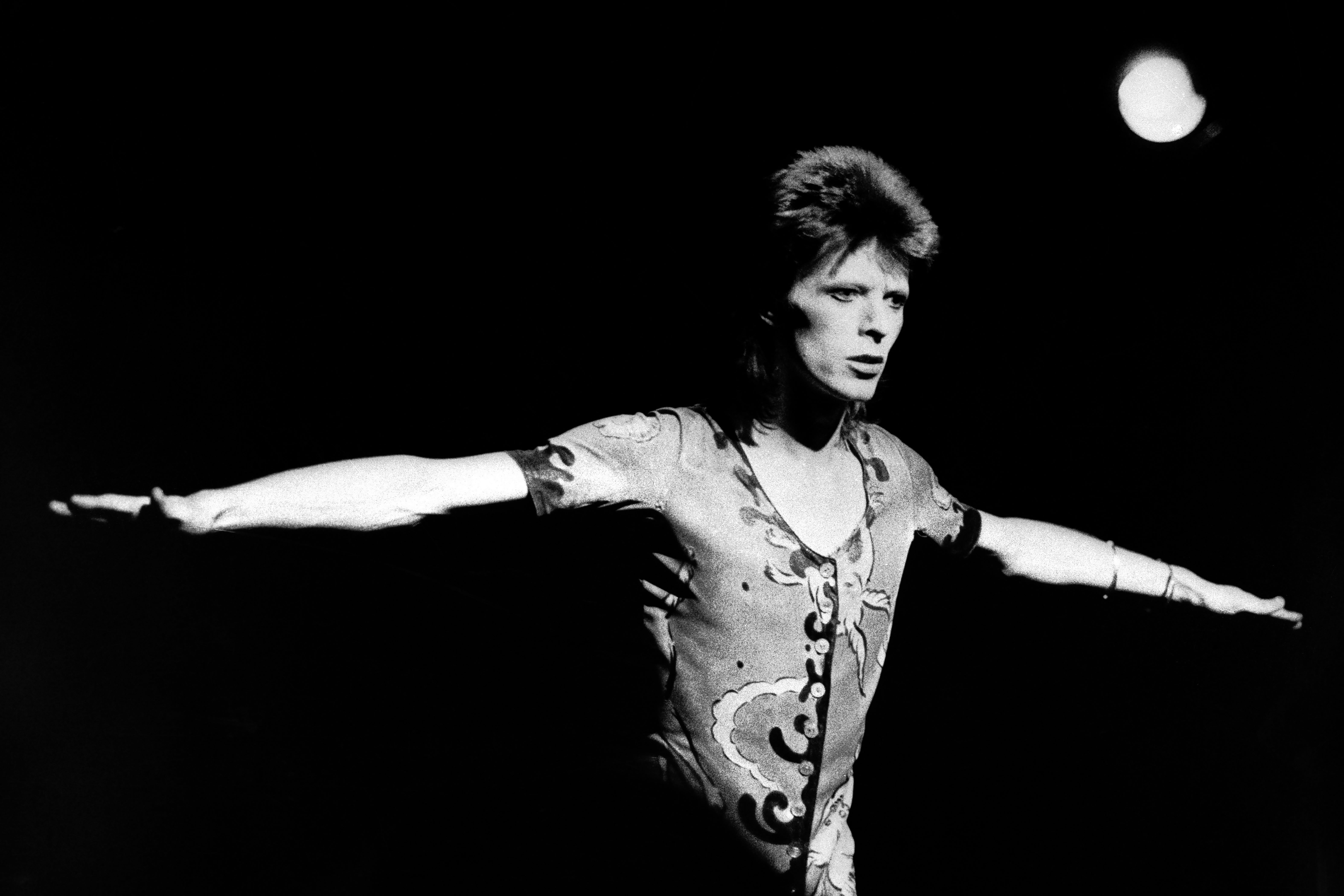
Bowie was diagnosed with liver cancer in the summer of 2014, telling only his close family. The following winter, he knew it was terminal and was in the final stages of work on his swan song, Blackstar. “David was an artist in every sense of the term and it was very much his music, but he also knew exactly who he wanted to work with and how he wanted to work with them,” New York-based producer and engineer Erin Tonkon, who worked with Bowie and Visconti on Blackstar, recalls in the documentary. “I think he wanted to make the best album of his life,” Visconti adds, reflecting on the emotional moment Bowie told him he was dying.

Enjoy unlimited access to 100 million ad-free songs and podcasts with Amazon Music
Sign up now for a 30-day free trial. Terms apply.
ADVERTISEMENT. If you sign up to this service we will earn commission. This revenue helps to fund journalism across The Independent.
Enjoy unlimited access to 100 million ad-free songs and podcasts with Amazon Music
Sign up now for a 30-day free trial. Terms apply.
ADVERTISEMENT. If you sign up to this service we will earn commission. This revenue helps to fund journalism across The Independent.
“He’s different from other human beings,” he continues in the documentary. “I’m only speculating, but it probably encouraged him to write and record as much as he could, because he knew the end was near.”
“Blackstar is a haunting and beautiful work and is unique as an album made while facing his own mortality,” Stiasny tells The Independent. “But the film is also about his incredible musical legacy as one of British music’s few true icons.
“While we could not examine all of his works, I hope it will encourage a revisiting and another listen to what were some wonderful albums. His output and his legacy remains relevant for its range, its depth and its quality, and will continue to do so for generations to come. It was a privilege to have the opportunity to make a film which explores the life and work of such an inspirational figure.”
‘Bowie: The Final Act’ will air on 3 January 2026 at 10pm on Channel 4
Join our commenting forum
Join thought-provoking conversations, follow other Independent readers and see their replies
Comments
Bookmark popover
Removed from bookmarks