2025’s paltry Christmas Day lineup is not what Britain’s television industry needs
It’s a particularly drab year on the British festive television front, writes Micha Frazer-Carroll. The ‘big four’ need to get their act together soon – or risk ceding Christmas to American streaming giants


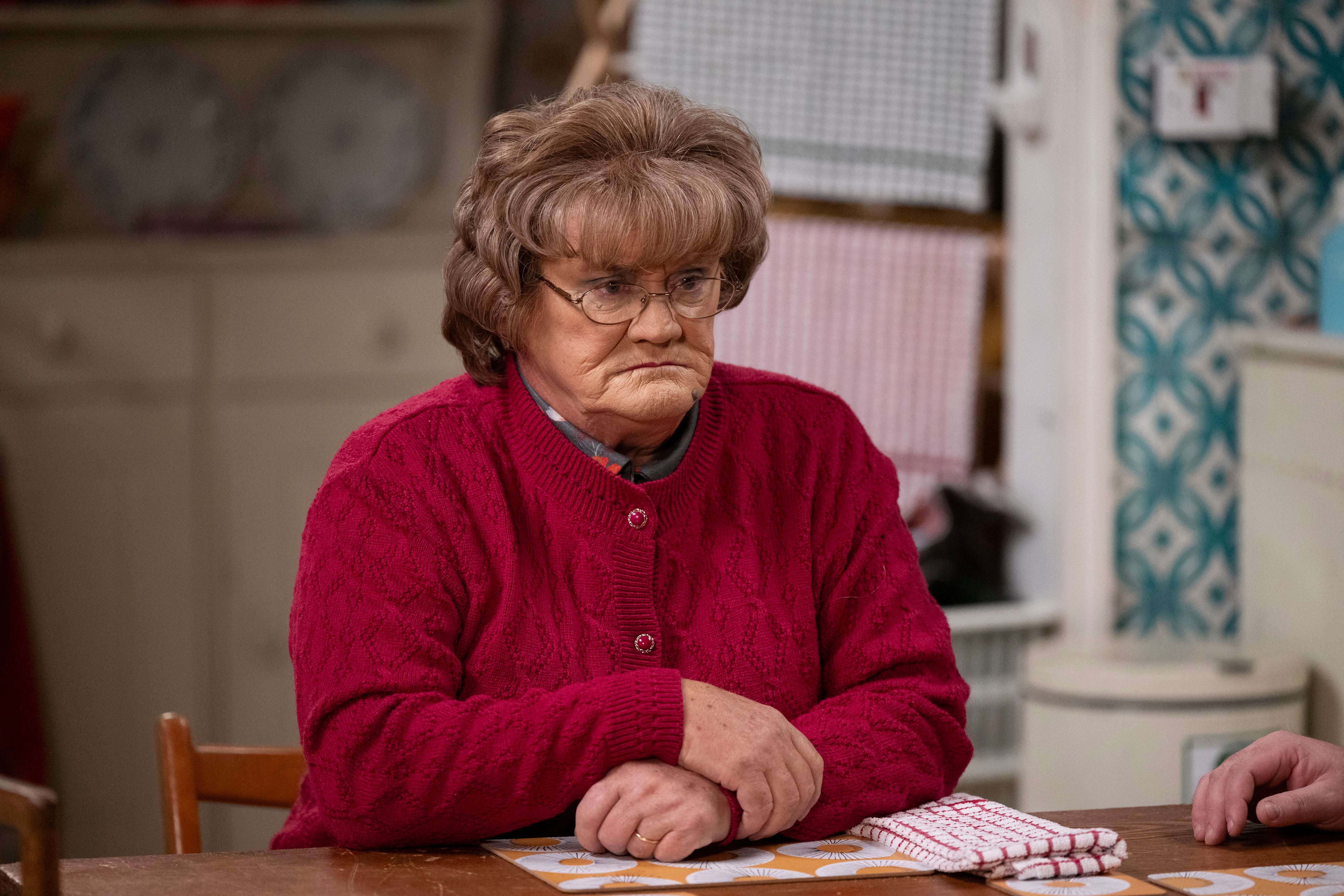
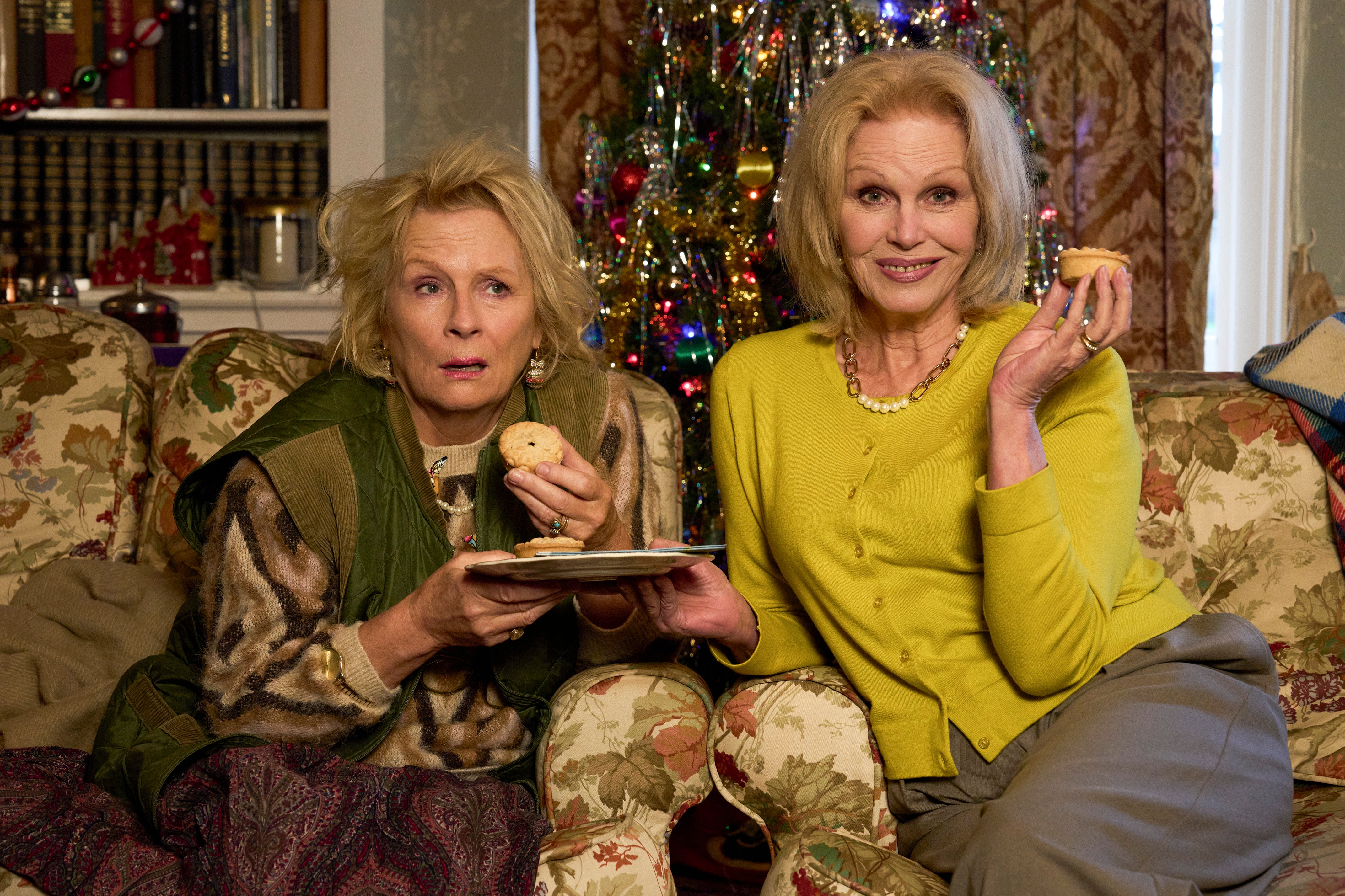
Is Christmas TV dead? This was my first thought when I glimpsed the lineup for this year’s festive period. Once considered the pinnacle of primetime TV, Christmas Day 2025 features a wearying number of reruns and recaps. On Channel 4, you can catch a compilation of the best of this year’s Gogglebox. Switch over to the BBC and you can hunker down with, erm, a repeat of the Outnumbered Christmas special from last year. Or perhaps you prefer an old episode of QI or Only Connect. (Or, heaven forbid, the new seasonal special of Mrs Brown’s Boys.) I know the Strictly and Bake Off specials will likely be on in the background in my household – and a new Amandaland episode will have its adorers – but it feels like a bit of a stretch to call any of this appointment viewing.
Things are so bleak that the King’s speech is tipped to be the most-watched broadcast on Christmas. It’s hardly the most scintillating offering – it’s the monarch’s fourth such speech, deprived of any novelty factor, and he has always fallen far short of his predecessor’s public popularity anyway. But what, realistically, could best it? There’s no Doctor Who; no big Gavin & Stacey special this year to take the crown. While the BBC is holding back a few big hitters (including the return of The Night Manager, a one-off David Attenborough special, and the new season of The Traitors) for New Year’s Day, the rest of the festive schedule, spanning the desert period between Christmas and 1 January, is just as poor. It left me feeling like a bit of a Scrooge. And amid this lacklustre British lineup, the cultural encroachment from American streaming juggernauts seems harder than ever to stem.
I am by no means alone in bemoaning 2025’s particularly paltry Christmas schedule – but it would be a mistake to dismiss what we’re seeing this year as an unlucky fluke. Rather, it’s a symptom of a TV landscape that’s in existential crisis. On one level, TV’s Christmas surrender reflects the broader shift to streaming over the last decade. Younger generations lead the masses, with less than half of 16- to 24-year-olds watching broadcast telly in a given week. When we abandon traditional methods of viewership, the result is the endless recycling of intellectual property, as we’ve seen in the film industry with arduous remakes and reboots, which just about get reluctant bums on seats. Innovation and creativity suffer – as does diversity – as risk-averse producers fall back on safe bets.

--Photo-Marc-Brenner.jpg?quality=75&width=230&crop=3%3A2%2Csmart&auto=webp)
In 2022, the then BBC director general suggested that terrestrial TV could be switched off entirely in the 2030s, with industry consensus beginning to forecast 2035 as a deadline. “We’re in danger of having no public service broadcasting within a decade, certainly within 20 years,” Sir Peter Bazalgette, former chairman of ITV, told BBC reporter Katie Razzal this summer. “We don’t have a strategy for their survival.”
This flock to streaming is born out in ad cash. TV ad spending is decreasing, and advertisers are increasingly shifting their investments to streaming platforms. Broadcasters similarly know that they won’t survive without expanding their streaming offerings; the main broadcasters have begun putting their differences aside and either collaborating or merging with one another to fight off competition from streamers. Last year, the “big four” channels participated in the launch of Freely, a new streaming service embedded in all new smart TVs to replace Freeview. There have even been controversial speculation about mergers.
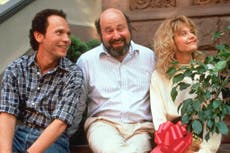
If we succumb to streaming, there’s a threat of Christmas becoming even more caught up in US cultural homogeneity than it already is. This Christmas’s buzziest – and sure to be most-watched – festive offering is not on any of the conventional British broadcasters, but Netflix: the final episodes of Stranger Things. The sci-fi show has somehow retained its patient audience for long enough to eke out a fifth season, almost a decade on from its debut, and in that time has proven very successful at marketing American cultural nostalgia to UK audiences. (This is perhaps best epitomised by this winter’s Primark collab on this side of the pond.) It’s a far cry from Wallace and Gromit.
We shouldn’t, however, see this as a straightforward death sentence from the ghost of Christmas future. As was the case for Scrooge, there is still time to change. We are not necessarily doomed to consume exclusively American shows and recycled British slop for Christmas forevermore.
The rise of streaming has been driven, predominantly, by convenience. But there’s another reason it has proven such a threat to traditional television: innovation. And it’s innovation that broadcasters such as the BBC could learn from. While Netflix is often coy about sharing ratings, Christmas 2018’s Black Mirror special “Bandersnatch” was considered a widespread critical success, and also represented a pioneering experiment in what streaming can achieve. Created by the British Charlie Brooker, the episode gave us the choice to direct the narrative, with multiple-choice storyline prompts. It is still remembered as a huge brand activation for the streamer, even if the plot itself wasn’t necessarily anything special.
While “Bandersnatch” didn’t necessarily catch on as a mode of viewing, it was a kind of must-see experiment that generated a huge amount of buzz from fans internationally. It was fun and different. British broadcasters might do well to break free from a traditionally British austerity mindset and think about how they might take similar risks and experiment with the new tools available to them. Christmas – a period in which families and friends are a warm crowd, and also a bored one – is the best time for this kind of experimentation. And there’s a strong case that technological experiments should be collaborative, so that broadcasters don’t risk duplication.
There’s also a case for breaking the cycle of recycled intellectual property, even if it carries a financial risk. One glimpse at Netflix’s most popular shows in the UK points towards contemporary, cutting-edge and creative modes of storytelling – take Adolescence, which took on incels in a single shot, or Baby Reindeer, which was darkly confronting. If the BBC’s Christmas Day lineup could be described in one generous word, it might be “cosy”. Which is all well and good, but broadcasters shouldn’t underestimate what viewers can handle.
This year’s offering feels like a sign of what could come if broadcasters don’t start to think big – with a view to leading rather than following trends in this moment of transition and crisis. Safe bets aren’t cutting it, and audiences would love to watch something more unmissable or emotionally affecting than the King’s speech. Personally, I’m down to switching off my phone and bathing in the nostalgic activity of appointment viewing on Christmas Day. I just need a show that makes it worth it.
Join our commenting forum
Join thought-provoking conversations, follow other Independent readers and see their replies
Comments
Bookmark popover
Removed from bookmarks