People of colour keep leaving Traitors early. We need to talk about why
Yet again, minority ethnic players are being booted off in the early stages of ‘The Traitors’. Micha Frazer-Carroll looks at why this is becoming a bleakly predictable pattern
The Traitors is magic precisely because of its relatability. It holds a mirror up to us all, letting us imagine the sweaty, shivering messes that we would all be if forced to lie to our new best mates, repeatedly, on national television. And the BBC mega-hit, which has become one of our most-watched and adored pieces of appointment viewing since it launched in 2022, always features a cast of people who feel like a genuine cross-section of the population. Unlike the glut of polished, influencer-led reality shows, contestants come from a wide range of backgrounds and feel like real people. But with a castle full of familiar characters, we naturally see familiar social dynamics too. And some of these are unsettling.
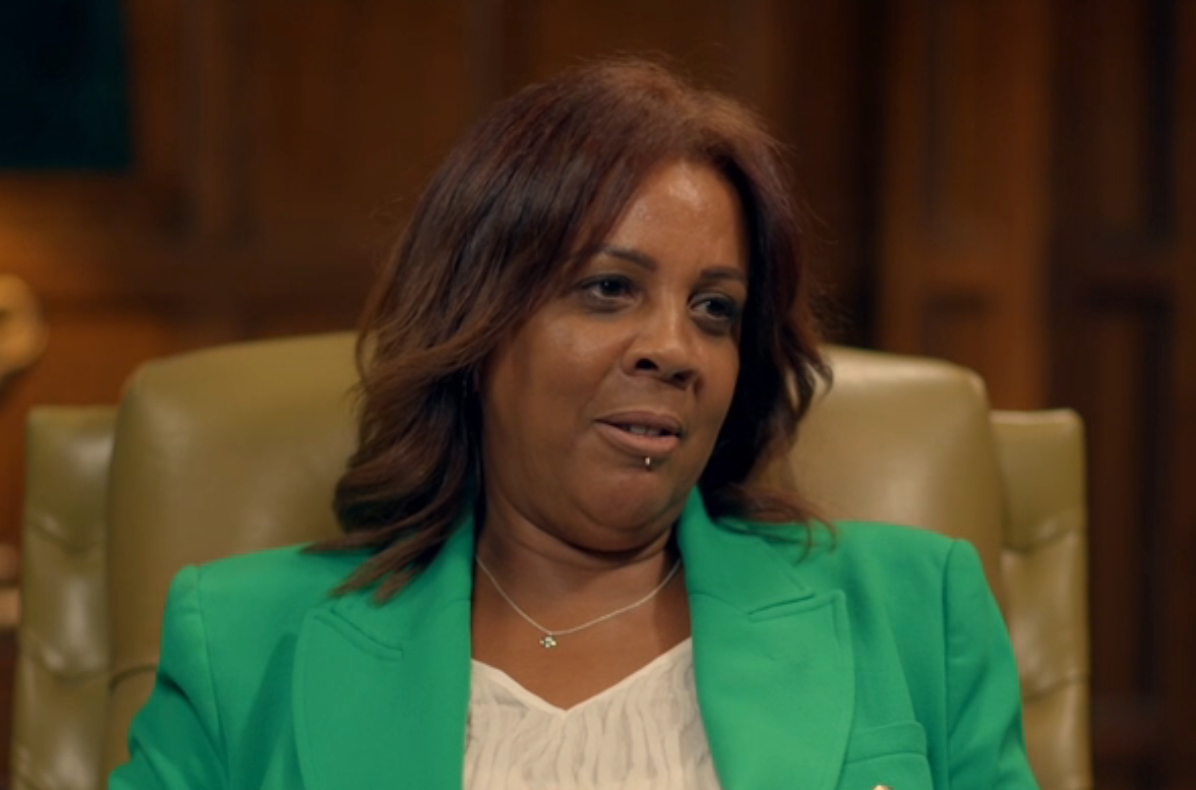
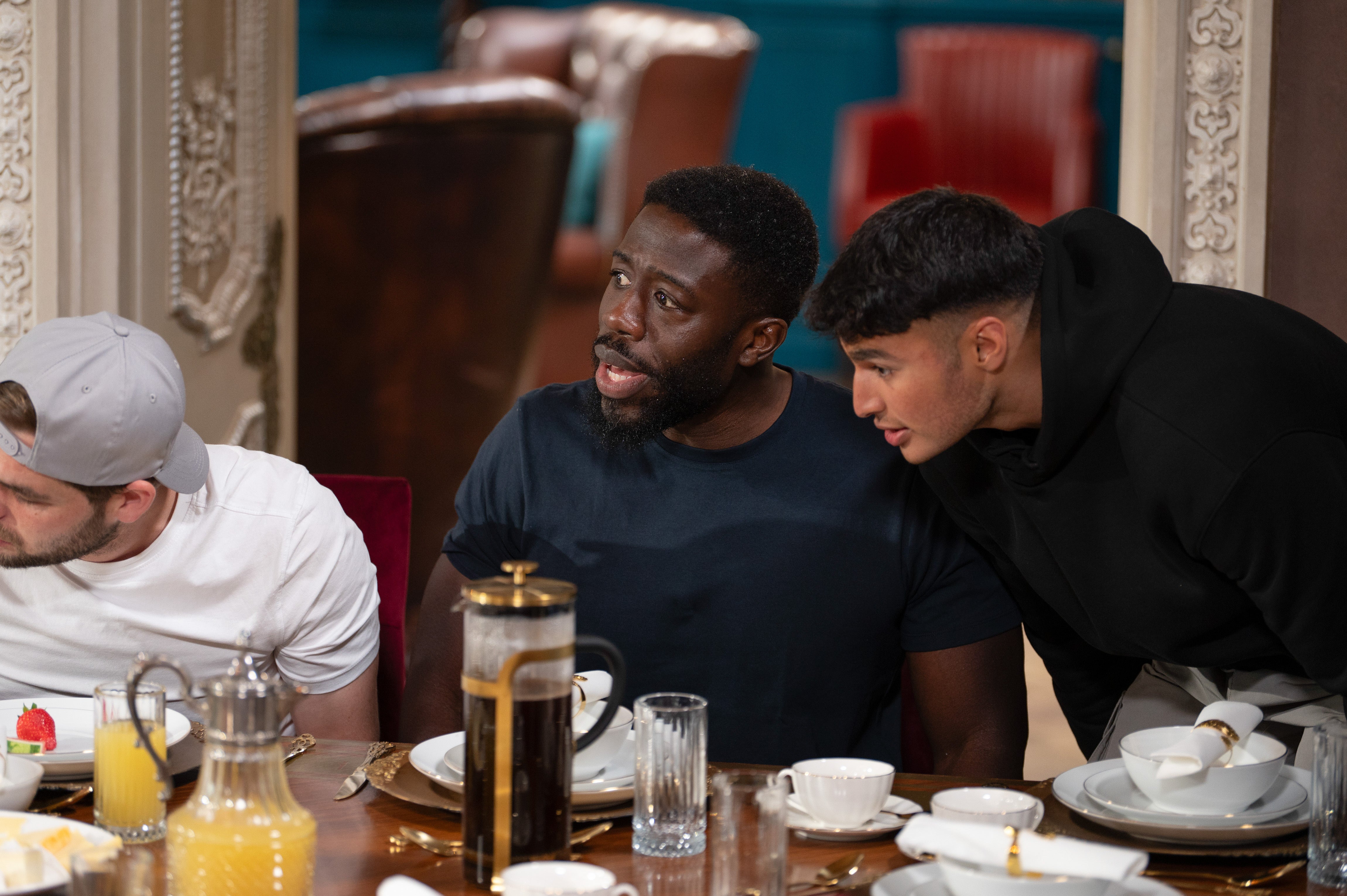
During this season, which is now in its second week, we have watched a Black woman, Judy, get banished first. Her crime? That she stopped being as playful and bantering once the game commenced. Her final declaration of innocence felt apt: “I am just me.” Netty, also a Black woman, was the first murdered contestant – and Ross, a Black man, was high on the suspect list from day one and has now been banished, too. This pattern has cropped up so reliably throughout the show’s seasons that it is now bleakly predictable.
At the round table, the point at which the players discuss who they think might be a traitor, it’s often people of colour or otherwise marginalised people who are told there’s something the other players just don’t quite trust about them. The source will often be a quality that the player can’t quite put their finger on – it’s more a feeling than a fact. Or, the allegations are contradictory – for example, this season Ross has been accused of being both too calm and too emotional, not speaking enough and then explaining too much.
One viewer has claimed to work out that, across the first three classic series and last year’s celebrity edition, a disproportionate 40 per cent of those who were kicked out of the game within the first three murders/banishments were minority ethnic players.
I used to be hesitant to call this out. After all, the challenge of the game lies in feeling around in the dark for clues. When Nicky, a disabled person with a limb difference, was the first player to be banished in season one for failing to raise her glass to say “cheers” – despite the fact that the glass was on the same side as her missing hand – it could have been described as a weird blip. In season two, when Anthony Mathurin, a Black chess coach, was called “aggressive” just before banishment, and account manager Jaz Singh was somewhat randomly labelled as guilty, less so. Then, south Asian doctor Kasim Ahmed was ostracised from the group in season three and labelled “suspicious” for a “glint in his eye”. In the last celebrity season, the ejection of two Black contestants in the first two banishment rounds crystallised things, with actor Tameka Empson being accused of “going on the offensive” before she was shown the door.
I don’t think that the show or any of its players are consciously discriminating against people of colour or disabled people. Rather, The Traitors is a game of social judgements, and so our socialisation comes into gameplay. Players are asked to assess abstract traits like trustworthiness and untrustworthiness – at times, purely based on vibes. We’re socialised amid a load of ideas about people of colour being suspect, criminal and dangerous. So, of course, internalised biases will inform group consensus on who is “shifty” or “just a bit off”.
These unconscious judgements don’t only shape eliminations, but might shape, for example, who is seen as “authoritative” in the group vs “bossy”, who is a “genius” vs who is “scheming”, who is “quiet” vs “aloof”, who is a core member of the group vs expendable.
The issue is by no means limited to The Traitors. Research on the US show Survivor, which shares a similar format, found that people of colour were more likely to be the first ejected from their group “tribes” by their teammates.
In 2016, the BBC also came under criticism when Empson (yes, the same Empson who got kicked out of The Celebrity Traitors early) was the second Black contestant on the trot to get voted off Strictly Come Dancing, in the only two rounds of audience voting. The Guardian later found that ethnic minority dancers were 71 per cent more likely to get voted into the bottom two by Strictly viewers.

Watch Apple TV+ free for 7 day
New subscribers only. £9.99/mo. after free trial. Plan auto-renews until cancelled.
ADVERTISEMENT. If you sign up to this service we will earn commission. This revenue helps to fund journalism across The Independent.
Watch Apple TV+ free for 7 day
New subscribers only. £9.99/mo. after free trial. Plan auto-renews until cancelled.
ADVERTISEMENT. If you sign up to this service we will earn commission. This revenue helps to fund journalism across The Independent.
The Traitors is a fantastic show precisely because it sheds light on the relatable dynamics that tend to crop up if you put together any random group of people. Just as we relish in this part of the show, we should also be open to the reality that everyday biases likely swirl in its undercurrent.
It’s easy to question or deny these biases. But there’s something to be said for being curious about this fact of the game. After all, the whole thing is a sociological study. What if, in either The Traitors itself, or its companion podcast Uncloaked, contestants were nudged to be more curious about the origins of their suspicions – without blame? This might not sound like a barrel of laughs, but the show has demonstrated the tonal range for discussion about, for example, how singer Cat Burns’s gameplay was enhanced by her neurodivergence.
The Traitors is a great show, and talking about these dynamics doesn’t have to take away from how brilliant it is. Avoiding talking about it, however, feels like a problem – at this point, it’s becoming the elephant in the room.
‘The Traitors’ continues tonight at 8pm on BBC One and iPlayer
Join our commenting forum
Join thought-provoking conversations, follow other Independent readers and see their replies
Comments
Bookmark popover
Removed from bookmarks